
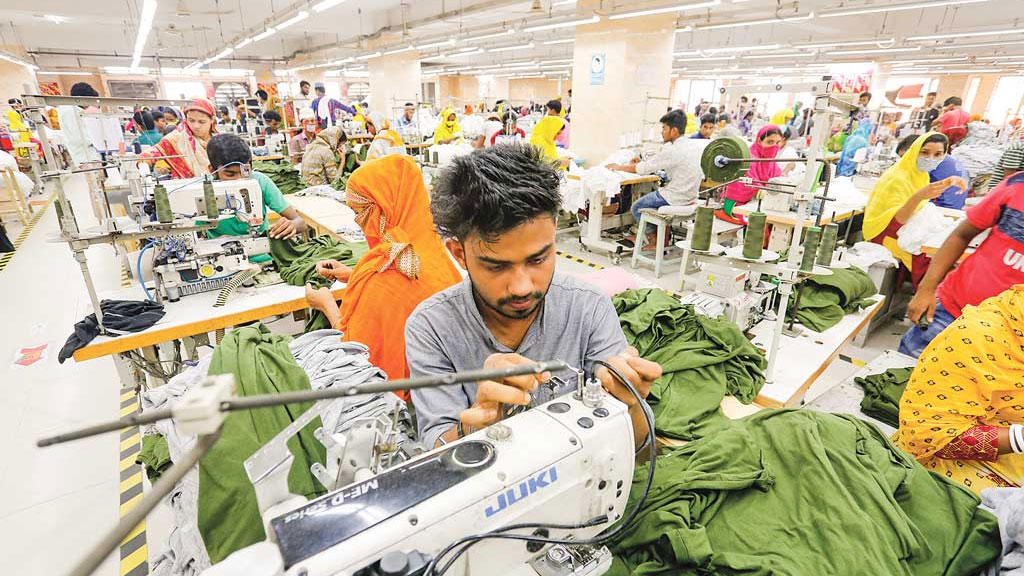
Bangladesh’s Minimum Wage Board held its third meeting on Monday to set new minimum wages for ready-made garment workers, but failed to reach an agreement after day-long discussions in Dhaka. Board Chairman Syed Azad Subhani said talks could continue through the night and may resume on Tuesday if necessary.
The meeting began at about 11:30am at the Minimum Wage Board office in Segunbagicha. Representatives of employers, workers and other board members attended the session.
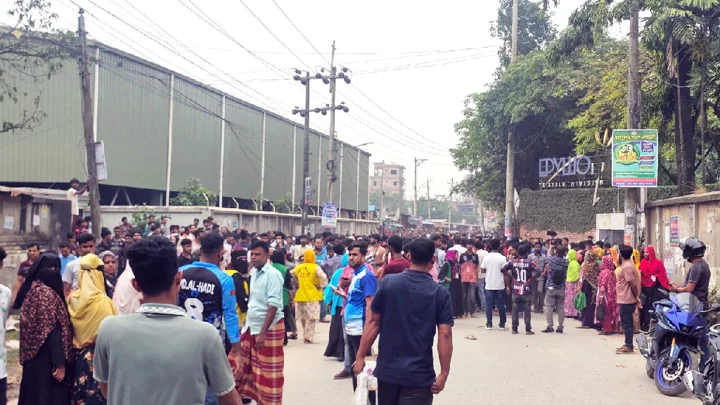
Several groups of workers protested outside the building throughout the day, demanding a minimum monthly wage of Tk30,000.
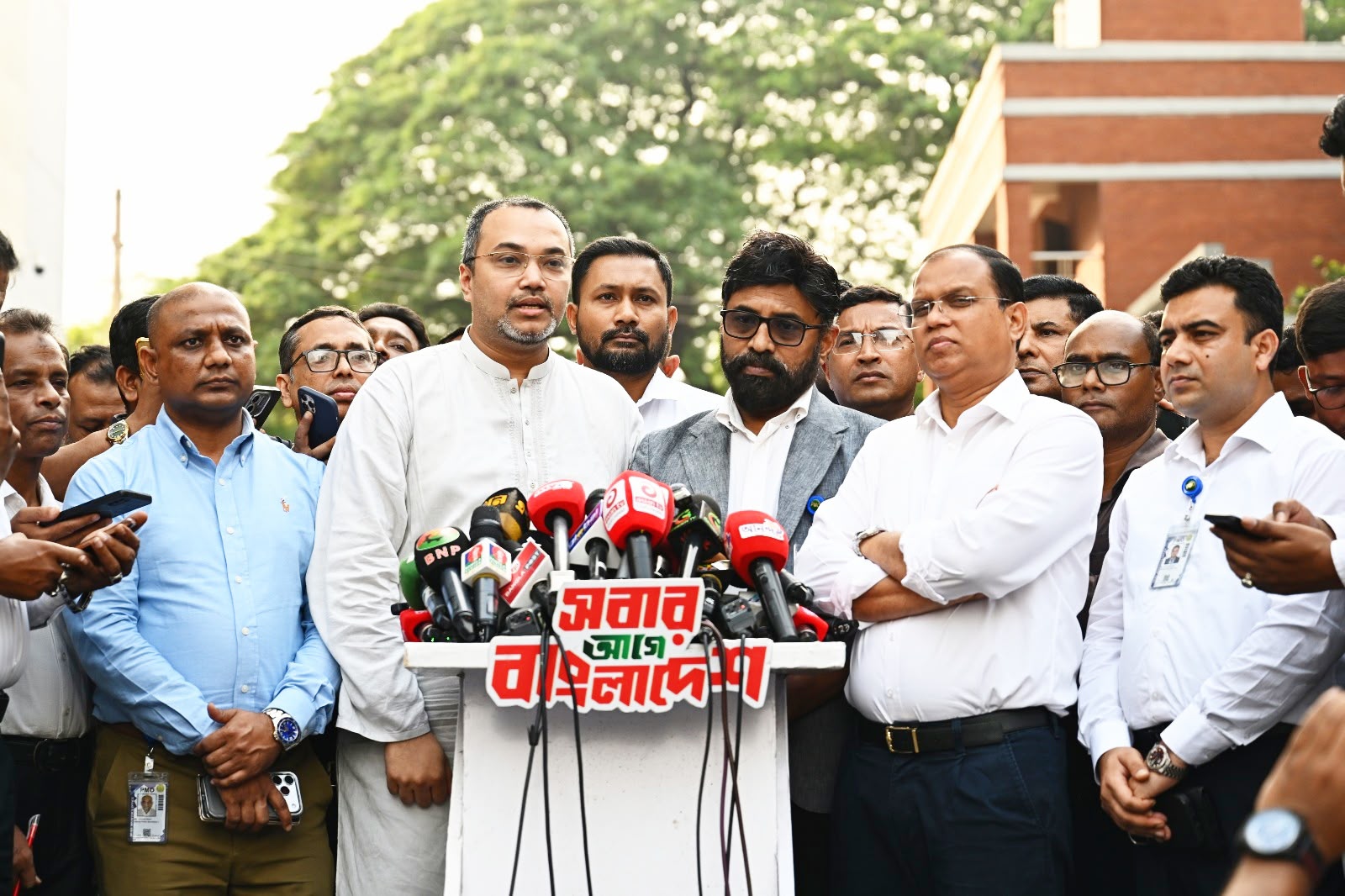
Speaking to journalists during an afternoon break for Asr prayers, Subhani said employers had submitted a proposal that was under discussion alongside proposals from workers’ representatives.
“The meeting will continue. The employers’ side has made a proposal, and discussions are under way on it,” Subhani said. “Findings from visits to Dhaka, Ashulia, Savar, Narayanganj and Chattogram have been presented. Arguments and counter-arguments are continuing between both sides.”
The board decided not to disclose the employers’ proposal at this stage, he said.
Responding to a journalist’s claim that the proposed minimum wage was Tk14,500, Subhani said the report was “completely incorrect” and not even close to the actual figure.
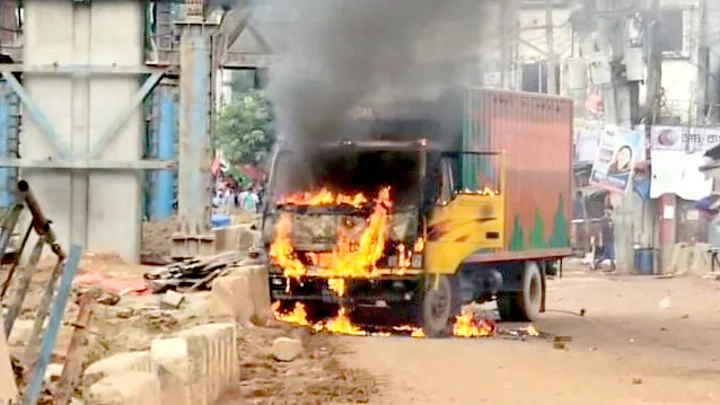
“What is being reported in various media outlets is entirely unrealistic. The actual proposal is much higher,” he said, adding that media outlets should rely on official statements issued by the Wage Board.
At the board’s previous meeting, workers’ representative Babul Akhter proposed a minimum wage of Tk32,000. Akhter also declined to disclose the amount proposed by employers on Monday.
“Discussions are continuing according to the meeting agenda. The employers have made a proposal, but I am not disclosing the figure now,” Akhter said. “They always propose a lower amount, and they have done so this time too. We did not find it reasonable.”
Workers’ representatives had asked that the meeting not be concluded immediately, he said, adding that talks could continue until 10pm or be adjourned and resumed on Tuesday.
“However, the wage issue must be resolved quickly,” Akhter said.
Revised proposals will be submitted by both workers and employers before further discussions, he said. Employers had said workers’ demands were unacceptable, while workers had rejected the employers’ proposal, according to Akhter.
Addressing workers, Akhter said: “Salary discussions are under way. Please return to work.”
Subhani rejected suggestions that the proposal was being withheld to prevent growing unrest. “No, we are proceeding according to the rules,” he said. “Wages will be determined by considering Bangladesh’s existing realities.”
The board’s term runs until April 30, Subhani said, but efforts were being made to complete in one day discussions that had been scheduled for three days.
“For the first time in Bangladesh’s history, wages will be determined in the shortest possible time,” he said. “Besides proposals from employers and workers, discussions are considering inflation, market prices, workers’ family dependants, employers’ capacity, global market conditions, the impact of wage increases and conditions in competitor countries.”
Employers’ representative ABM Shamsuddin said: “One thing must be understood: a goose lays one golden egg every day. When that goose becomes sick, would you still expect golden eggs?”
Bangladesh amended its labour law this year, reducing the interval for revising workers’ minimum wages from five years to three years. Under the revised rule, the current minimum wage period for the garment sector will end in November this year.
In 2023, the minimum wage in the ready-made garment sector was increased from Tk8,000 to Tk12,500, a rise of 56.25%.
All sides have agreed that the new wage will take effect from December and that salaries under the new wage structure will be paid in January.