Bangladesh AMR Report: 89% of Bacteria Found in ICUs Are Multidrug-Resistant
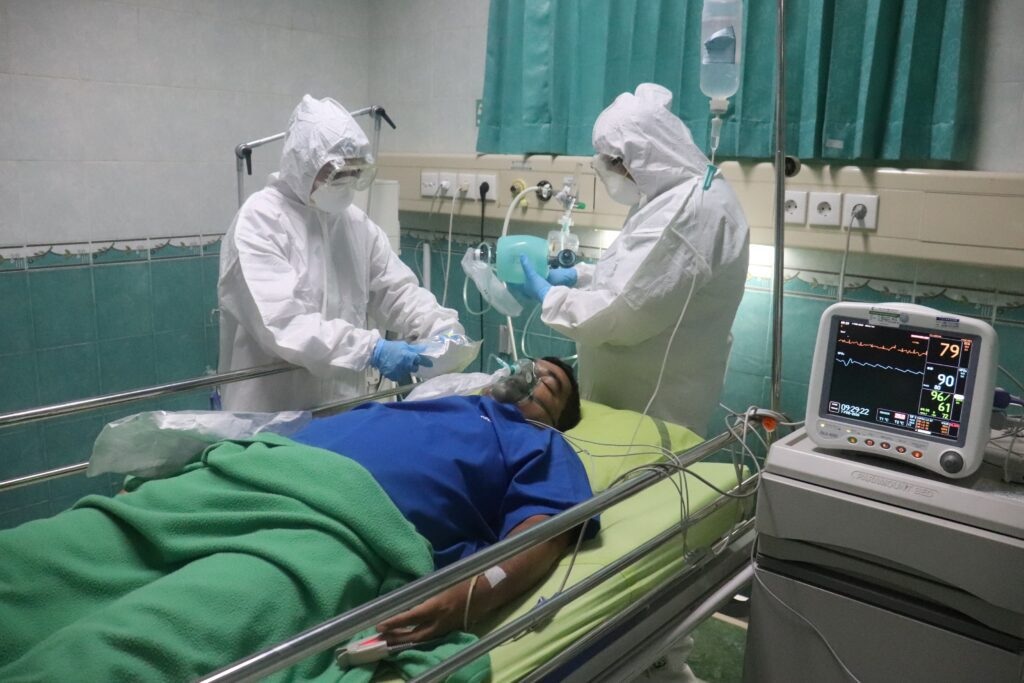
A national antimicrobial resistance surveillance report has found that 89% of bacteria detected in intensive care units in Bangladesh are now multidrug-resistant, making ICUs the country’s most critical hotspot for antibiotic-resistant infections.
The findings were published in “Antimicrobial Resistance Surveillance Bangladesh 2025,” the country’s largest national surveillance initiative on antimicrobial resistance. Conducted by the Institute of Epidemiology, Disease Control and Research, the survey analysed samples and data collected from medical college hospitals across Bangladesh to map the antibiotic resistance situation.
According to the report, 89% of bacteria identified in ICUs were multidrug-resistant, or MDR. The report also classified 41% of ICU bacteria as suspected pan-drug-resistant, or PDR, indicating that treatment options with effective antibiotics have become extremely limited and severe infections are becoming more difficult to manage.
Nationally, the MDR rate across all tested samples stood at 46%. In ICUs, however, the rate was nearly double at 89%. Similarly, the nationwide rate of suspected PDR bacteria was 6%, but rose to 41% in ICUs.
Critical care specialists said ICU patients are usually severely ill and many depend on invasive medical devices such as ventilators and urinary catheters. Specialists said such patients are also often given powerful broad-spectrum antibiotics from the outset, creating conditions that allow resistant bacteria to survive and spread rapidly.
The national AMR report found alarming MDR levels among several major hospital pathogens linked to bloodstream, lung, urinary tract and hospital-acquired infections. Among them, 74% of Enterococcus faecium samples were multidrug-resistant, along with 65% of Acinetobacter, 53% of Klebsiella pneumoniae and 52% of E. coli. Significant resistance was also found in Pseudomonas aeruginosa, Staphylococcus aureus and Enterococcus faecalis.
The report said ICUs face the highest risk from MDR spread, adding that rising resistance in organisms such as Klebsiella pneumoniae and Acinetobacter is making treatment of critically ill patients increasingly complex.
An analysis of 15,844 prescriptions found that 48% of all antibiotic use occurred in ICUs. The rate was 44% in hospital wards and 8% in outpatient departments. The findings indicate that nearly one out of every two antibiotics used in hospitals was used in ICUs.
Hospital-level data showed the same pattern. At Dhaka Medical College Hospital, 72% of identified positive samples came from the ICU. High levels of multidrug-resistant and carbapenem-resistant bacteria were also found in the ICUs of Mymensingh, Chattogram, Rajshahi and Rangpur Medical College hospitals.
The AMR surveillance report said hospitals with higher use of strong antibiotics in ICUs also had a higher presence of drug-resistant bacteria.
Professor Dr Zakir Hossain Habib, chief editor of the AMR surveillance report and chief scientific officer (Virology) at IEDCR, told Ajker Patrika, “Our surveillance data show that antibiotic resistance is increasing consistently; especially in ICUs, the rate of multidrug-resistant bacteria and resistance against commonly used antibiotics has increased alarmingly.”
Professor Habib said strengthening hospital infection prevention and control systems was the most important step in responding to the crisis. He said, “Antibiogram analysis shows the number of effective antibiotics is shrinking. So greater emphasis on infection prevention is even more important.”
Experts said rational antibiotic use alone would not be enough to address the crisis. Experts said hospital infection prevention and control systems must be made more effective through hand hygiene, safe use of ventilators and central lines, isolation of patients when needed, proper disinfection of hospital environments and medical equipment, and stronger capacity for rapid detection of resistant organisms.
Dr Ariful Bashar, consultant in medicine at the Infectious Diseases Hospital, who works on ICU management research, told Ajker Patrika, “The most effective way to control infection and prevent AMR in ICUs is IPC. Although guidelines for IPC exist in the country, implementation is weak. Unnecessary entry of people into ICUs, failure to follow hygiene rules, and inadequate monitoring of equipment and beds increase the risk of resistant bacteria spreading from one patient to another. Bacteria may come from outside the hospital, and they may also spread inside the hospital. Therefore, there is no alternative to effective implementation of IPC.”
IEDCR said that, alongside efforts to develop new medicines, ensuring rational use of existing antibiotics is equally important. It recommended strengthening antimicrobial stewardship programmes in hospitals, including stopping unnecessary antibiotic use, selecting medicines based on test results, and regularly reviewing prescriptions.
Prescription analysis showed that 90.9% of antibiotics used belonged to the World Health Organization’s Watch category. These are comparatively stronger antibiotics that require caution because excessive use can quickly drive resistance. By contrast, Access antibiotics, recommended as the first choice for common infections, accounted for only 9.7% of use. Use of Reserve antibiotics, kept for the most complex and multidrug-resistant infections, was far below 1%. The report said maintaining the right balance among these three categories is essential to reducing antibiotic resistance.
Professor Dr Shah Monir Hossain, former director general of the Directorate General of Health Services, told Ajker Patrika, “In recent years, the pace of AMR has increased. This resistance is developing for various reasons, including excessive and irrational use of antibiotics, taking medicines without a doctor’s advice, and not completing the prescribed course. ... To deal with this situation, the highest priority must be given to the hospital IPC system.”
Professor Hossain said most AMR surveillance in Bangladesh remains hospital-based. He said, “If broader surveillance and comparative research are conducted at the community level, the real picture of antibiotic resistance will become much clearer.”