Rising Teenage Motherhood in Bangladesh: Social Pressure, Child Marriage Fuel High-Risk Pregnancies
- Five-year rate of increase from 83 to 92
- stillbirth or premature birth, risk of maternal and child mortality
- this situation is due to various reasons including adolescence, social pressure
- lack of birth control methods and ability to receive
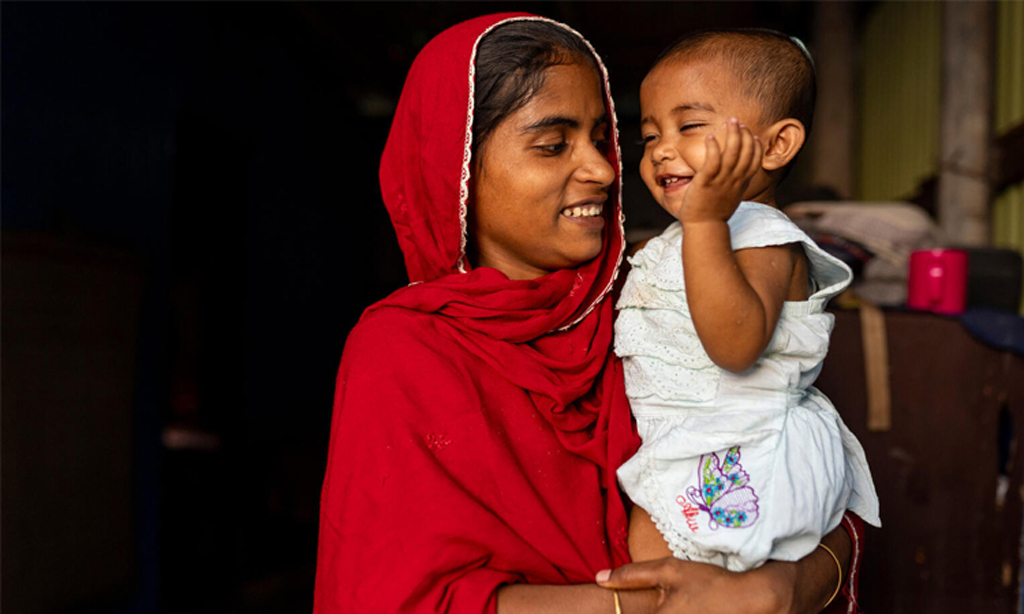
Teenage motherhood in Bangladesh is on the rise again, reversing years of progress and pushing young girls into high-risk pregnancies, according to recent national surveys.
Data shows that over a five-year period, the adolescent birth rate—measured as the number of live births per 1,000 girls aged 15–19—has climbed from 83 to 92.
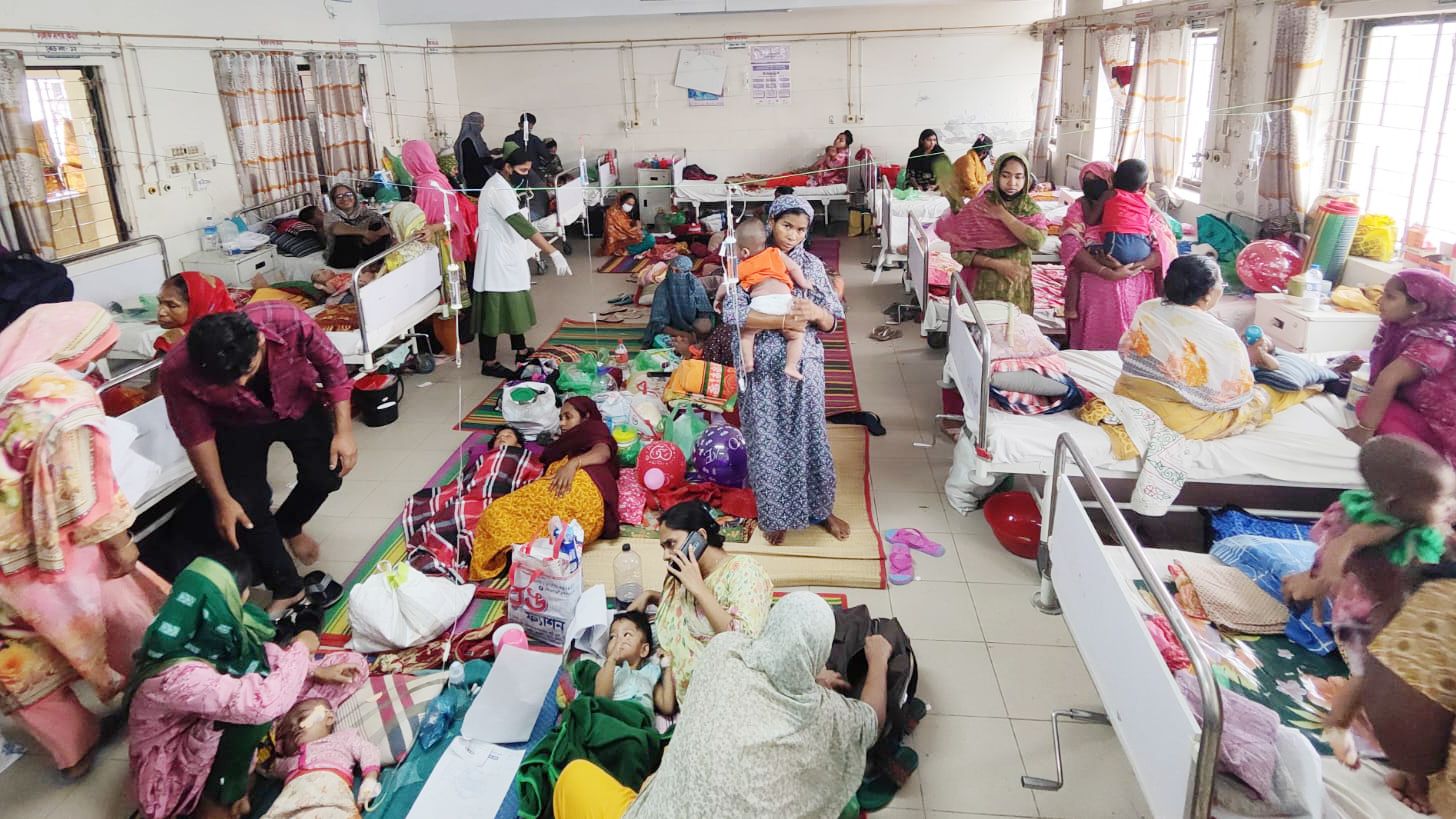
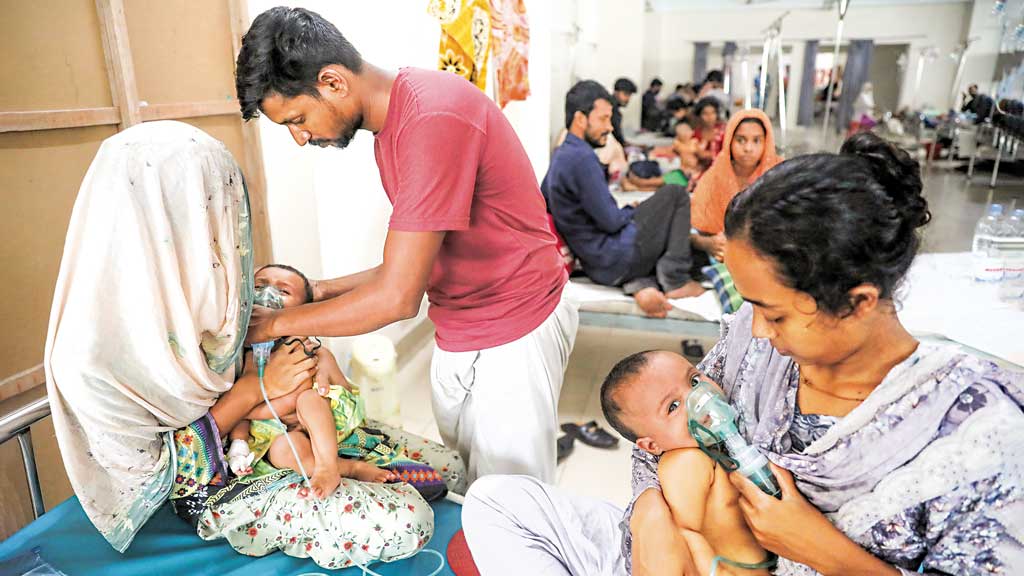
Public health experts and sociologists warn that this upward trend is directly linked to the persistence of child marriage, intense familial pressure to conceive quickly, and restricted access to reproductive healthcare. The resulting pregnancies carry severe health consequences, including increased risks of stillbirths, premature deliveries, and maternal and neonatal mortality.
A Stubborn Spike in Numbers
The adolescent birth rate serves as a key indicator of a country's development and healthcare efficacy. In Bangladesh, the latest findings paint a concerning picture.
According to the preliminary results of the Multiple Indicator Cluster Survey (MICS) 2025, jointly published by the United Nations Children's Fund (UNICEF) and the Bangladesh Bureau of Statistics (BBS), 23.2% of adolescent girls aged 15–19 have already begun childbearing. Alarmingly, 1.2% of them became mothers before reaching the age of 15.
The data also reveals a regional disparity in early childbearing:
Rajshahi Division leads the country, with 29% of girls giving birth before the age of 18. This is followed closely by Rangpur (28%) and Khulna (27%).
Sylhet Division recorded the lowest rate at 9%.
For the 15–19 age bracket, the birth rate peaks in Rangpur at 111 per 1,000 girls, while Sylhet remains the lowest at 50 per 1,000.
"Adolescent motherhood is not merely a public health issue," experts noted in the report. "It is deeply intertwined with education, poverty, gender inequality, and rigid social structures," they concluded.
The Trap of Child Marriage
The primary driver behind early pregnancies remains Bangladesh's high rate of child marriage. Despite legal prohibitions, the MICS 2025 report indicates that 56% of girls in Bangladesh are still married before their 18th birthday, with Rajshahi recording the highest rate at 67%.
Dr. Mohammad Moinul Islam, Professor of Population Sciences and Dean of the Faculty of Social Sciences at the University of Dhaka, highlights the immediate pressure young brides face.
"In our society, marriage is almost immediately followed by intense familial and social pressure to conceive. In many traditional households, a teenage bride is expected to prove her fertility right away. There is a severe lack of counseling or support to help these young girls understand whether their bodies are physically ready for motherhood."
Sociologists also point out that the economic hardships brought on by the COVID-19 pandemic have exacerbated the situation, forcing many struggling families to marry off their teenage daughters early.
Barriers to Family Planning and Agency
Beyond early marriage, a lack of access to contraception and a lack of personal agency in reproductive decisions are critical factors.
The Bangladesh Demographic and Health Survey (BDHS) 2022 highlighted that while the country's overall demand for family planning stands at 74%, approximately 10% of that demand remains unmet.
Among married adolescents aged 15–19, the dynamics are even more restrictive:
About 33% of married teenagers report having no demand for contraception, largely due to pressure to conceive.
Of the remaining 67% who do wish to delay pregnancy, 13% cannot access or use family planning methods due to supply shortages or social barriers.
Consequently, nearly 46% of married adolescents are left without any contraceptive protection.
Demographers emphasize that these statistics reflect deeply entrenched family power dynamics. Decisions regarding pregnancy are rarely made by the adolescent girls themselves; instead, they are dominated by husbands and in-laws. Supply chain disruptions and stock outs of contraceptive materials over the last three years have further worsened the crisis.
The Weight of Social Expectation
According to the BDHS 2022 survey, while 3% of married women of all reproductive ages reported facing external pressure to become pregnant, this figure doubles to 6% among adolescent girls.
Field-level family planning officers report that in many rural and conservative communities, a young wife’s social acceptance is tied entirely to her ability to produce an heir.
Hasan A. Shafi, Professor of Anthropology at the University of Dhaka, explains:
"In the social reality of Bangladesh, the pressure to have a child immediately after marriage is incredibly intense for young girls. Her biological readiness is rarely considered. Moreover, most teenagers lack the negotiation skills, knowledge, and agency to advocate for their own reproductive health."
Severe Health Risks and the Threat of Stillbirth
Medical experts warn that adolescent pregnancies carry profound long-term physical and mental health consequences. A female body is generally not fully prepared for pregnancy and childbirth until the age of 20. Before this age, the pelvis is not fully developed, which significantly increases the risk of obstructed labor and emergency obstetric interventions.
The World Health Organization (WHO) notes that pregnant adolescents face much higher risks of eclampsia (pregnancy-induced seizures) and systemic infections compared to women aged 20–24. Their babies are also more likely to suffer from low birth weight, premature birth, and severe neonatal complications.
A study published in the UK-based Journal of Global Health analyzed 15,529 deliveries across eight district hospitals in Bangladesh. The study revealed a 4% stillbirth rate, identifying young maternal age and a lack of adequate prenatal care as the primary risk factors.
Professor Dr. Abu Jamil Faisel, former president of the Public Health Association of Bangladesh, concluded:
"A chronic lack of antenatal care, malnutrition, and unsupervised deliveries by unskilled hands continue to make teenage pregnancies exceptionally high-risk. Bangladesh has not yet been able to break this dangerous cycle. If we do not grant women and young girls the agency to make decisions about their own bodies, marriages, and pregnancies, these tragic health outcomes will persist."