


All articles
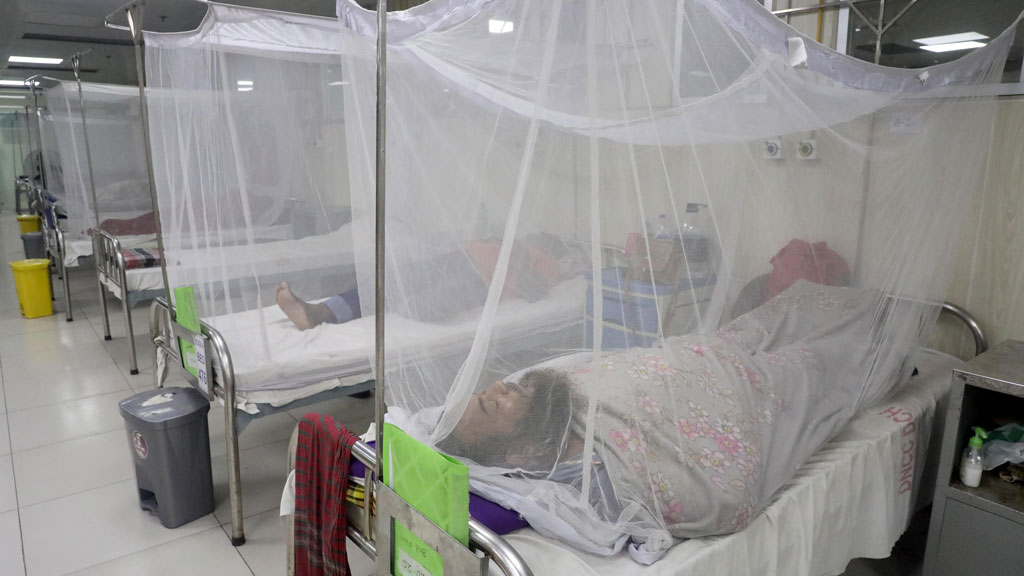
Young People Account for 42% of Dengue Hospital Admissions
People aged 16 to 30 have accounted for the largest share of dengue hospital admissions in Bangladesh this year, making up 42% of all patients admitted with the mosquito-borne disease.
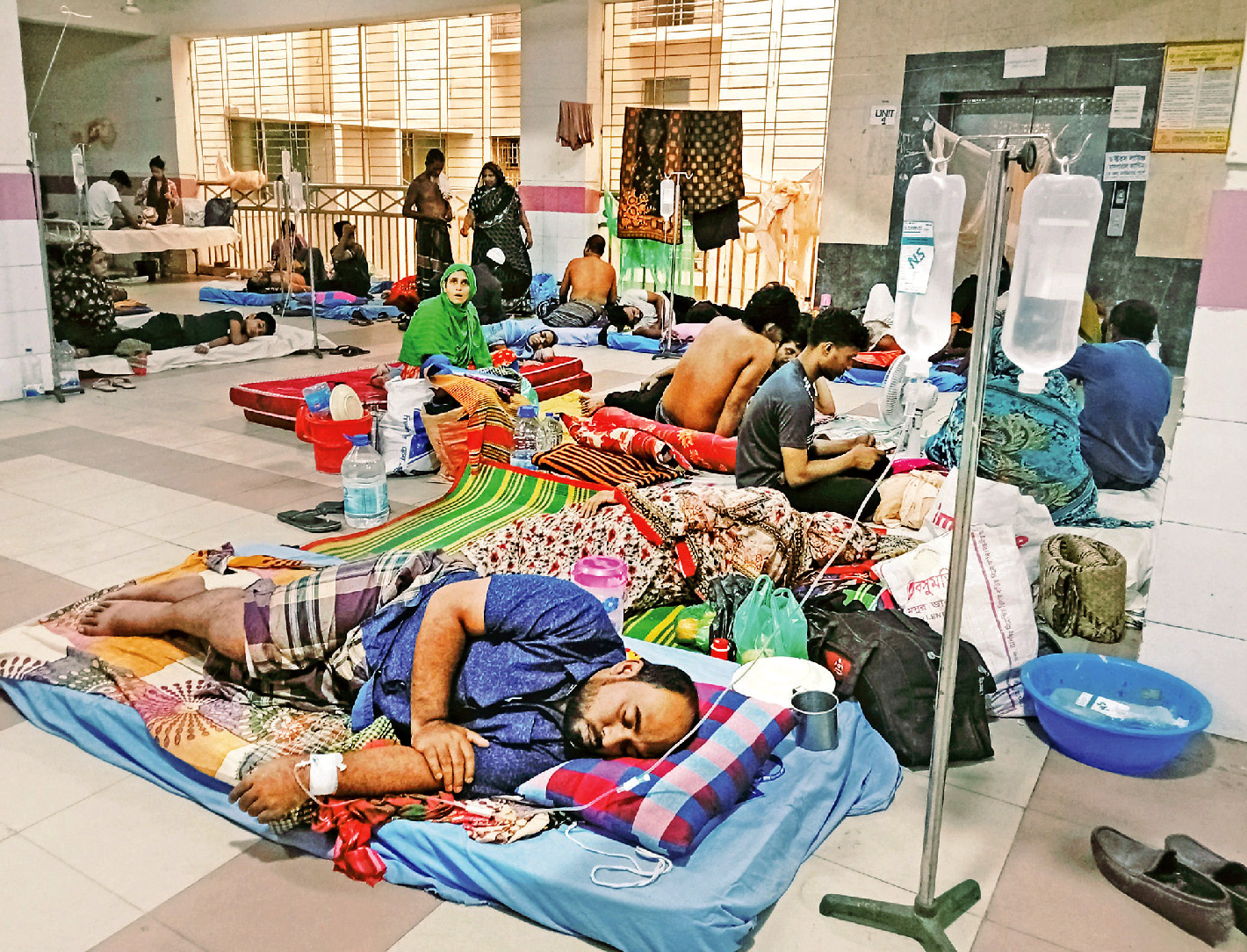
Hospitals Admit 635,000 for Fever, Pneumonia and Respiratory Infections in Nine Months
More than 635,000 people were admitted to government hospitals in Bangladesh with fever, pneumonia and respiratory tract infections between the start of the year and September 24, amid continuing measles and dengue outbreaks, government data showed.

Nearly 77% of Bangladeshis with Heart Disease History Not Using Statins
Nearly 77% of Bangladeshis aged 40 to 69 with a history of cardiovascular disease were not using statins, medicines that can reduce harmful cholesterol and lower the risk of recurrent heart attacks and strokes, according to a study highlighted ahead of World Heart Day.
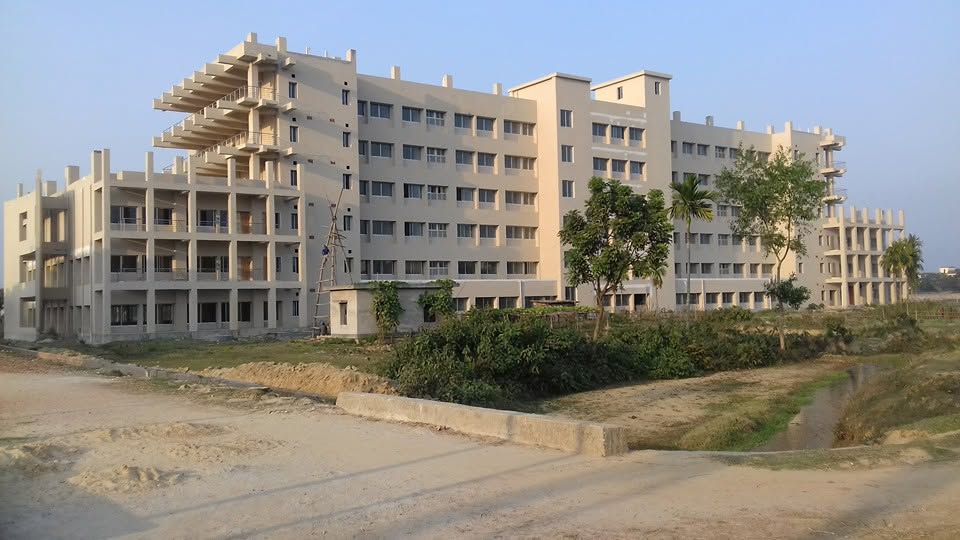
12 Government Medical Colleges Lack Own Hospitals, Hindering Clinical Training
Twelve of Bangladesh’s 37 government medical colleges do not have their own hospitals, requiring students to undergo clinical education and internships at district headquarters or general hospitals, according to the Directorate General of Medical Education.
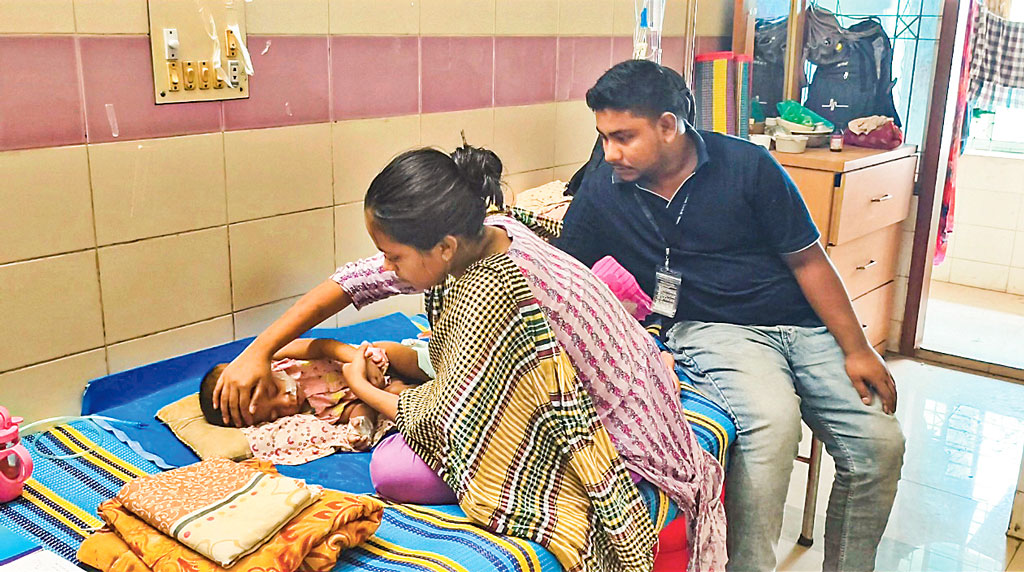
Bangladesh Records 999 Measles and Measles-Like Deaths Despite Emergency Vaccination Drive
Bangladesh has recorded 999 deaths from measles and measles-like symptoms in the five-and-a-half months since the government began regular reporting on March 15, despite emergency vaccination, expanded treatment measures and public awareness campaigns.
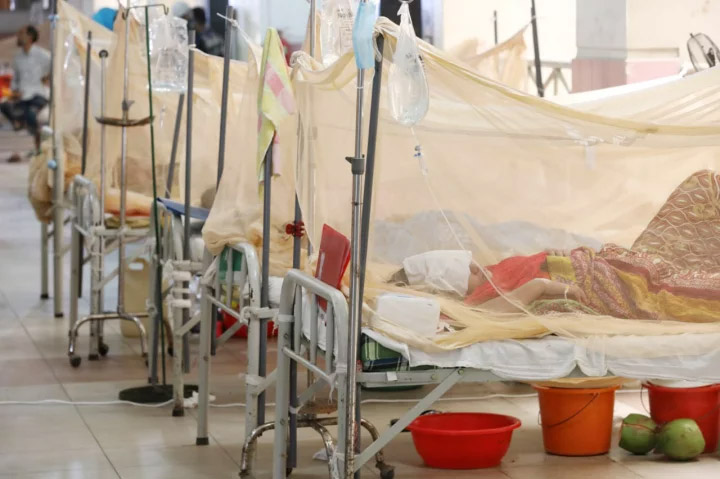
Bangladesh Dengue Surge Spreads to Coastal Districts
Dengue infections have risen sharply in Bangladesh over the past two months, spreading beyond Dhaka and Chattogram to several districts, particularly in coastal areas. Nine districts—Khulna, Pirojpur, Barishal, Bagerhat, Jhalokathi, Gazipur, Mymensingh, Cox’s Bazar and Narayanganj—have recorded near
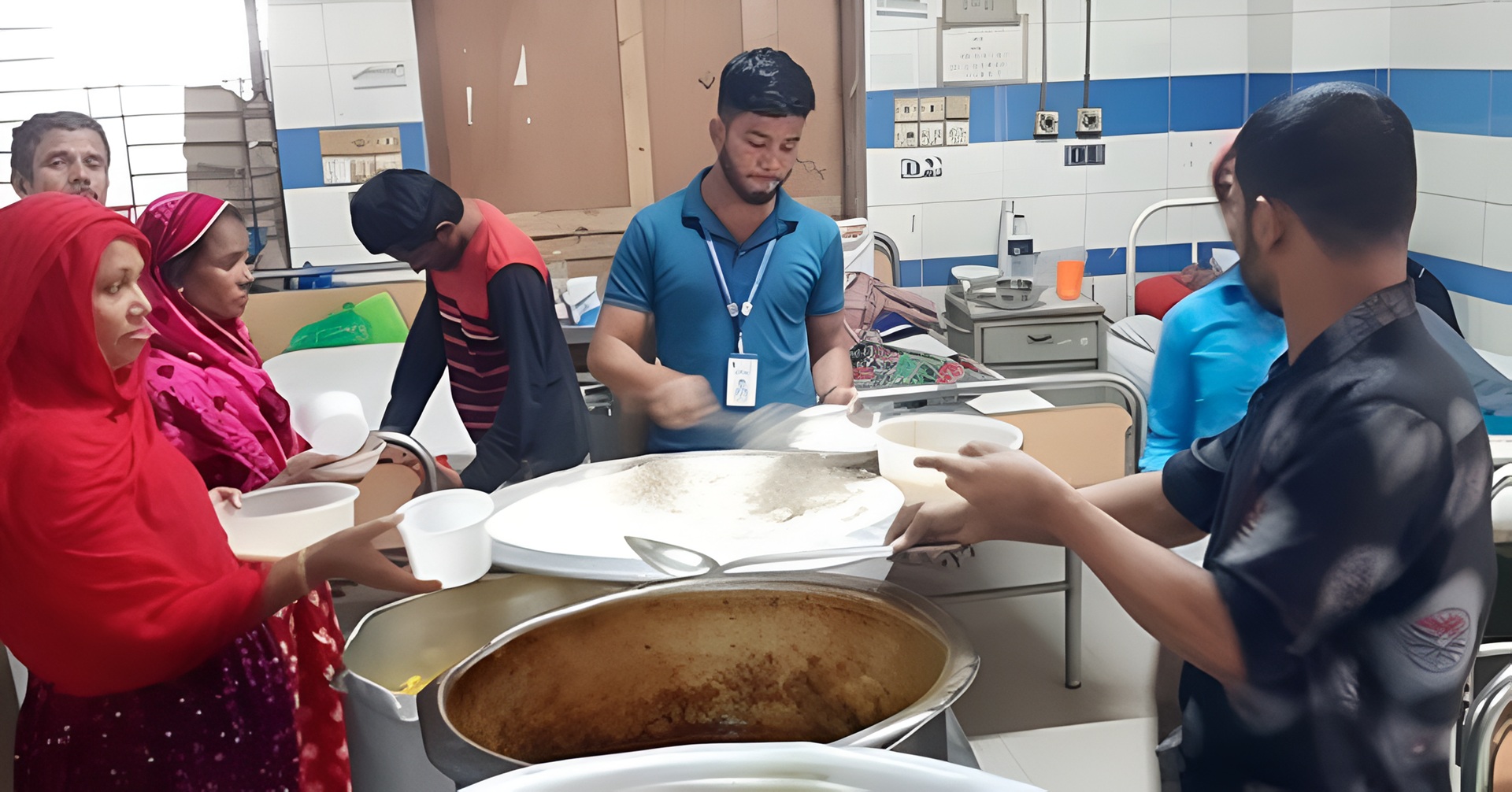
Government Hospital Patients Raise Concerns Over Quality of Tk175 Daily Meals
Patients admitted to government hospitals in Bangladesh have complained that meals supplied under the Tk175 daily food allocation are tasteless and may not meet nutritional needs, despite menus that include rice, lentils, vegetables, fish or meat, eggs, bread and fruit. Hanufa Akter, a pseudonym, h
Bangladesh dengue deaths: Women account for 59% of fatalities
Women have accounted for 59% of dengue deaths in Bangladesh this year, despite representing only 38% of total infections, prompting the Institute of Epidemiology, IEDCR and the DGHS to begin reviewing the causes of female deaths.

Bangladesh Hospitals Used Watch Antibiotics in 91% of Cases
Hospitals in Bangladesh used World Health Organization Watch-category antibiotics in 91% of cases, despite WHO guidance that these drugs should be used only in specific situations because excessive or irrational use can rapidly drive antimicrobial resistance, according to the country’s largest natio
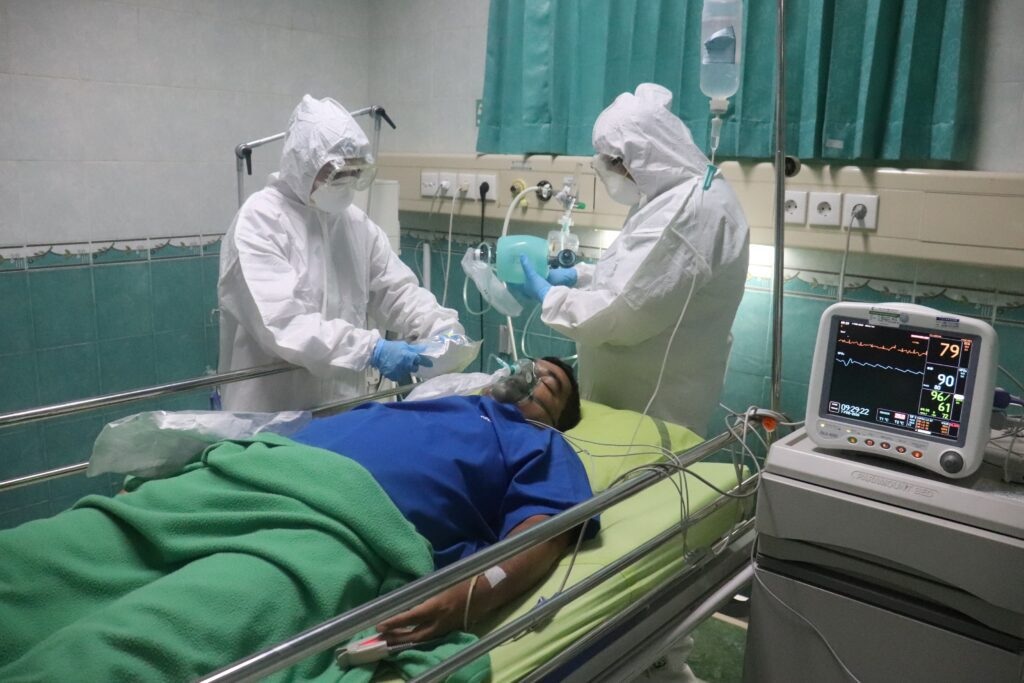
Bangladesh AMR Report: 89% of Bacteria Found in ICUs Are Multidrug-Resistant
A national antimicrobial resistance surveillance report has found that 89% of bacteria detected in intensive care units in Bangladesh are now multidrug-resistant, making ICUs the country’s most critical hotspot for antibiotic-resistant infections.
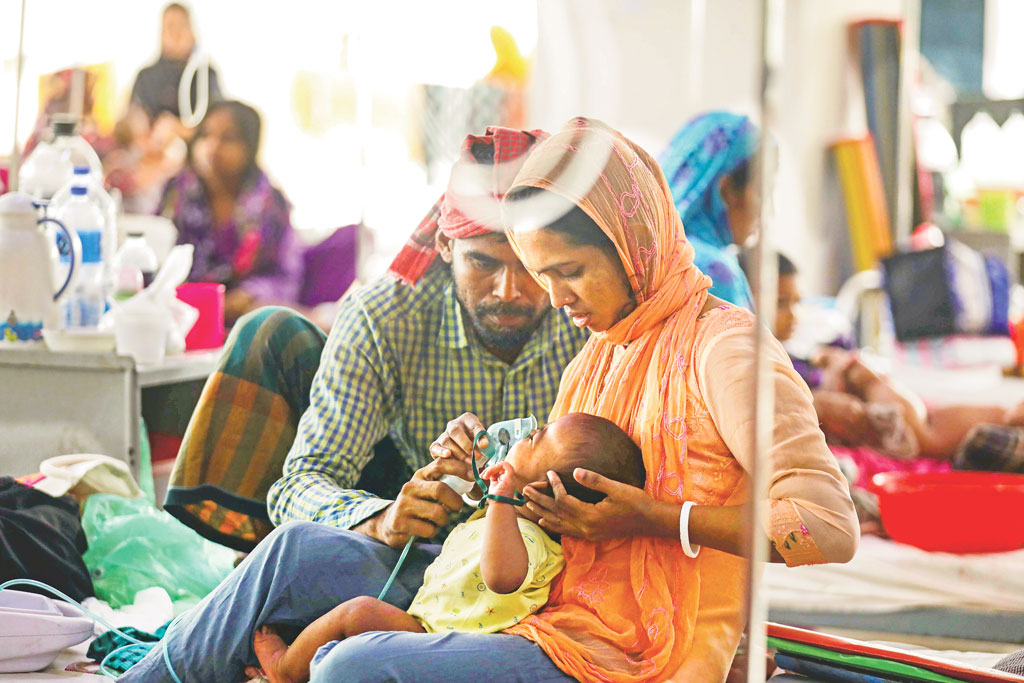
Bangladesh measles outbreak persists two months after special MR vaccination drive
More than two months after Bangladesh completed a special measles-rubella (MR) vaccination campaign, measles infections and deaths have not declined as expected, raising questions from public health experts.
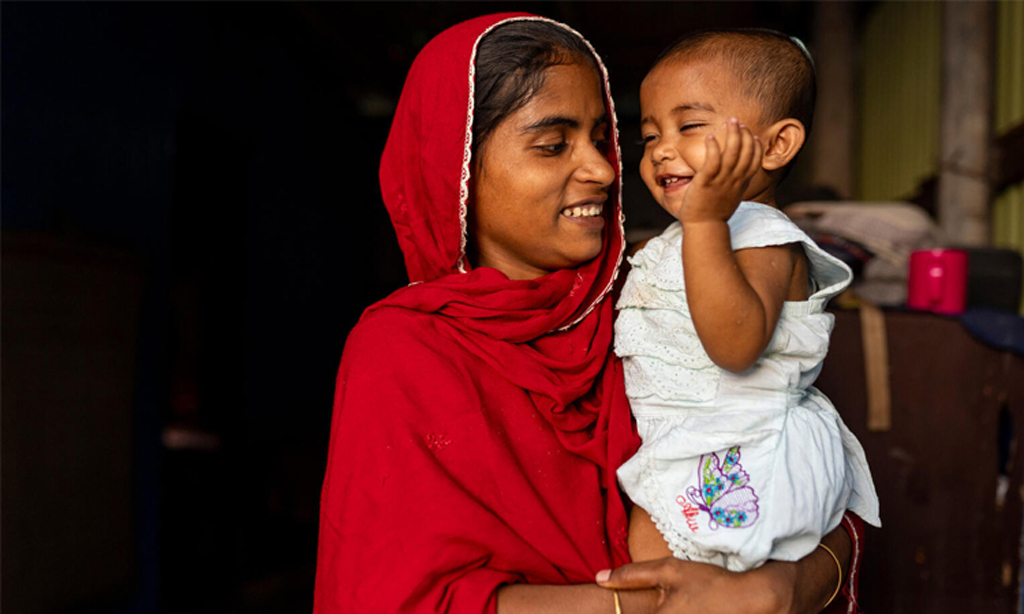
Rising Teenage Motherhood in Bangladesh: Social Pressure, Child Marriage Fuel High-Risk Pregnancies
Bangladesh’s adolescent motherhood rate is rising again, with the adolescent birth rate increasing from 83 to 92 live births per 1,000 girls aged 15-19 over five years.