
Government Hospital Patients Raise Concerns Over Quality of Tk175 Daily Meals
- Allocation for three meals is 148 taka
- It is not allocation, what is being done in the pot is mandatory
- Health Minister assures to allocate 250 taka
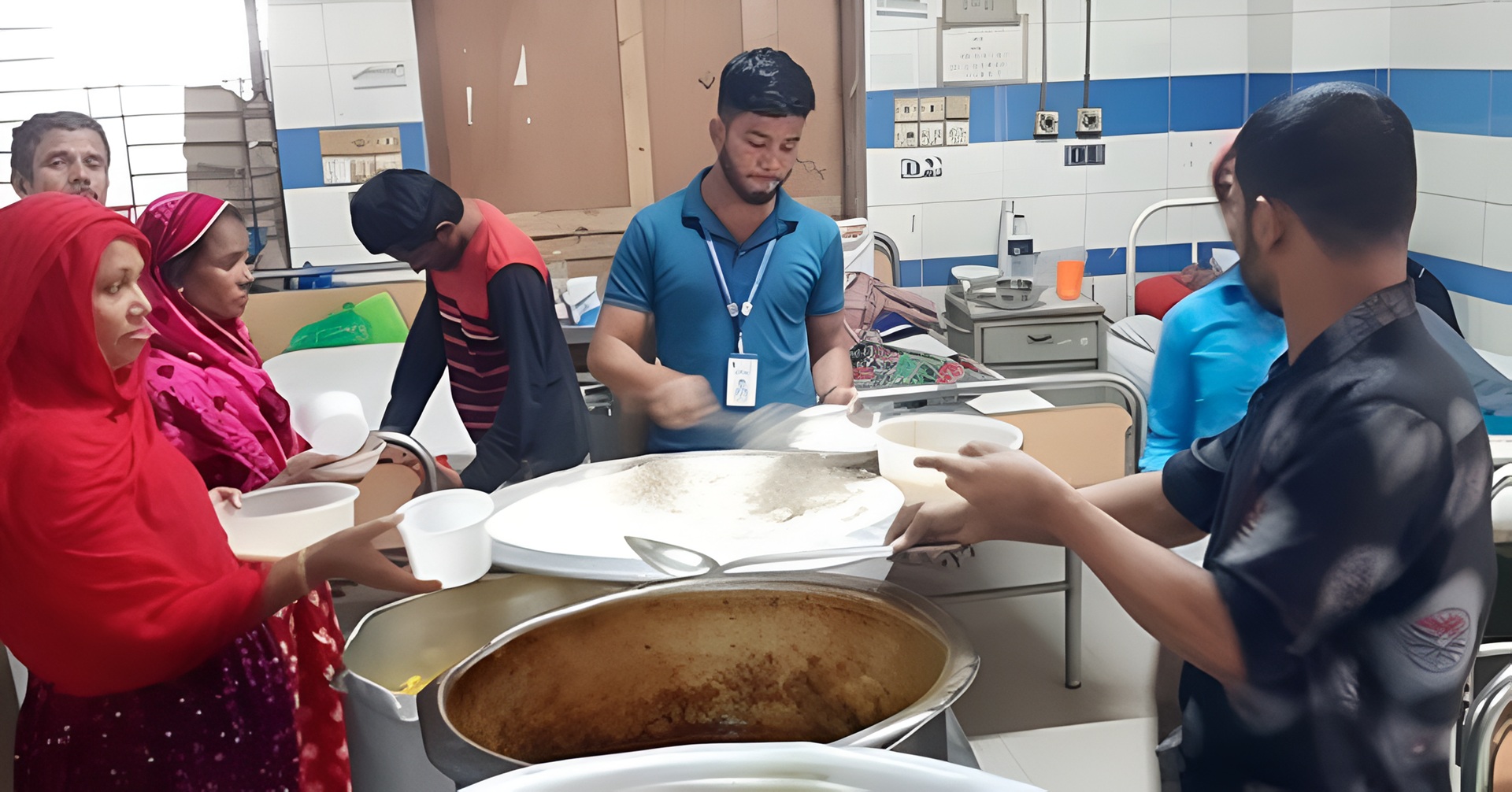
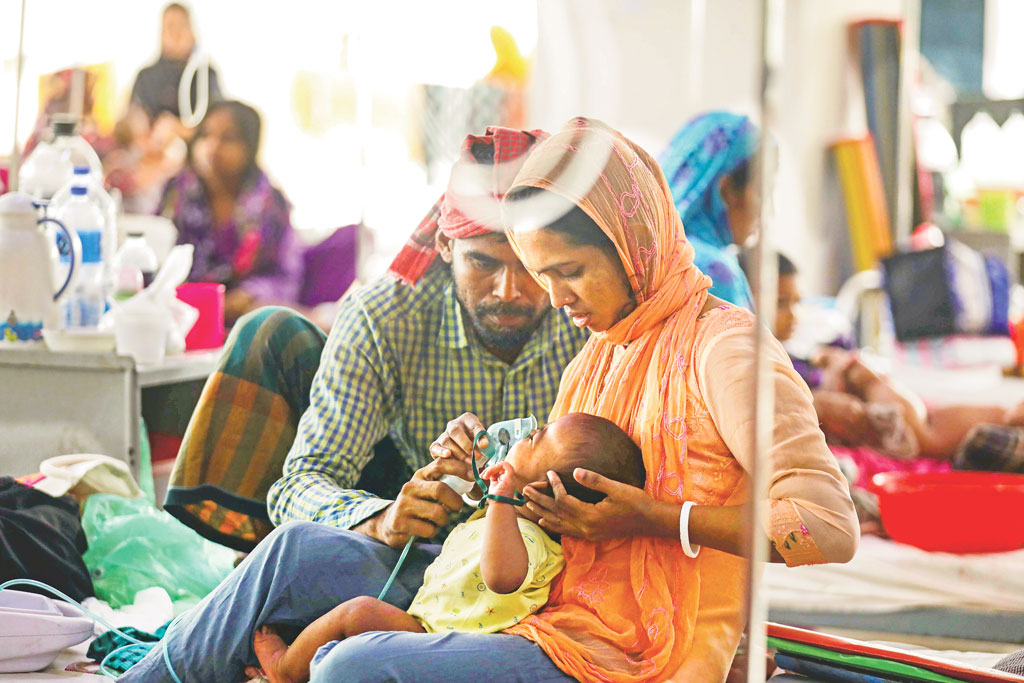
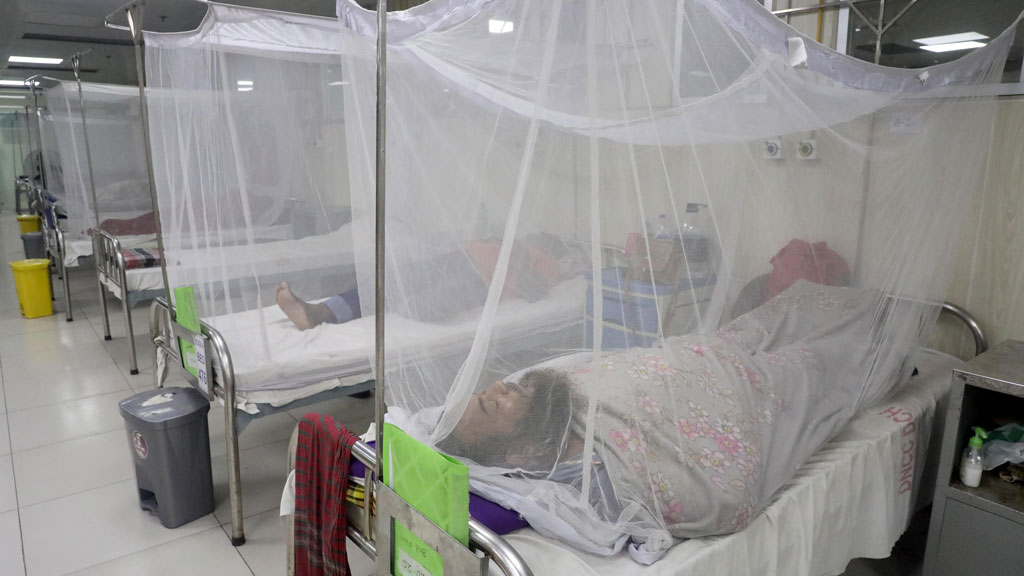
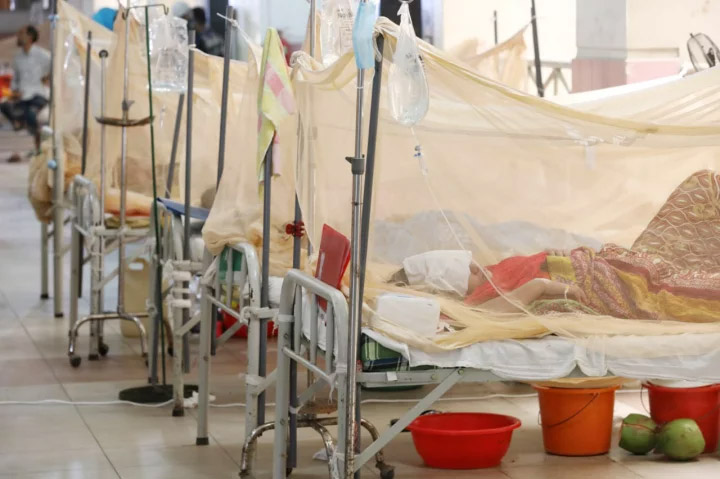
Patients admitted to government hospitals in Bangladesh have complained that meals supplied under the Tk175 daily food allocation are tasteless and may not meet nutritional needs, despite menus that include rice, lentils, vegetables, fish or meat, eggs, bread and fruit.
Hanufa Akter, a pseudonym, has been admitted to Shaheed Suhrawardy Medical College Hospital in Dhaka for more than a month with liver complications. A resident of southern Bangladesh, she said she has no close relatives in the capital and has had to depend largely on hospital food.
Hanufa said patients receive three pieces of bread, a banana and an egg in the morning; a packet of four biscuits in the afternoon; rice, lentils, vegetables and meat at lunch; and rice, fish and lentils at dinner.
“However, the hospital-cooked food is completely unappetizing,” Hanufa said, adding that she sometimes relies on a few relatives living in Dhaka or buys food from outside. The additional expense has put pressure on her low-income household during her extended treatment.
Patients in her ward agreed with her assessment. Hanufa said the meat curry lacked flavor, the lentils resembled turmeric-colored water with few visible pulses, and vegetables such as bottle gourd, papaya and potatoes were equally bland.
Akbar Hossain, also a pseudonym, a patient at the National Institute of Gastroenterology and Liver Diseases Hospital, reported a similar experience. The Chuadanga resident underwent surgery for a gallbladder problem and is admitted to Ward 703 of the Surgical Gastroenterology Department.
Akbar said he receives six pieces of bread, an egg and a banana in the morning; rice, bottle gourd and potato curry, lentils and chicken for lunch; and rice, lentils and rohu fish at night.
“There is no problem with the items on the menu. The only problem is that the food is utterly tasteless,” Akbar said. “A patient cannot be expected to recover easily by eating such food.”
The daily food allocation for admitted patients at government hospitals was raised from Tk45 to Tk75 in 2009, then to Tk125 in 2013. On October 10, 2022, nearly a decade later, the allocation was increased to Tk175.
After a 15% value-added tax deduction, the effective allocation is Tk148.75 per patient, which must cover three meals a day.
The government’s 2013 diet scale stipulated specific meal portions for general patients at public hospitals. Breakfast was to include 150 grams of bread, a four-inch banana, 20 grams of sugar and a boiled egg. Lunch and dinner were to include either a 140-gram piece of rohu or catla fish from a one-kilogram fish, or 340 grams of chicken, along with 340 grams of rice, 40 grams of masoor lentils and 400 grams of vegetables.
Questions remain over how much of these stipulated portions actually reaches patients’ plates. Complaints of smaller portions and tasteless food have persisted for years.
For this report, patients were interviewed and meals inspected at four government specialized hospitals in Dhaka. Information on patient food was also gathered by telephone from officials at one specialized hospital, one general hospital and one Upazila Health Complex outside Dhaka.
Directorate General of Health Services officials said hospitals arrange food for patients under their own management, in line with government directives. Contractors are selected through annual tenders to supply food items, while tender prices vary across the country because of regional differences in the prices of rice, fish and other commodities.
The officials said primary and secondary-level hospitals receive diet allocations based on the number of beds, while tertiary or specialized hospitals receive allocations based on the number of admitted patients. As a result, patients admitted beyond the designated bed capacity at upazila and district-level hospitals have no government food allocation.
Nutritionists said hospital food should not only address hunger but also form part of patients’ recovery. Diets should be determined according to a patient’s age, illness and physical condition, while ensuring necessary calories, protein, vitamins, minerals and fluids.
Nutritionists also said food must be safe, hygienic and easy to digest, with dietary adjustments required for different illnesses.
Johns Hopkins University School of Medicine, a leading institution in the United States healthcare system, says nutrition should be given serious consideration alongside medical treatment. Diet plans should be prepared with nutritionists’ advice according to patients’ physical condition and health needs, it says.
Chattogram Medical College Hospital, the country’s second-largest government hospital, has an admission rate exceeding 150% against its 2,200 beds. More than 300,000 patients were admitted there over the past year.
Brigadier General Muhammad Taslim Uddin, director of Chattogram Medical College Hospital, said food ingredients are supplied by firms selected through tenders, while hospital staff cook and distribute the meals.
“Supplies are received after the quantity and quality of food are checked according to the diet chart,” Taslim Uddin said. “Additional allocation may be needed if the number of patients exceeds the allocated budget.”
Dr Debprasad Chakrabarty, assistant director for finance and stores at the hospital, said three meals are managed within the Tk175 allocation and food items may vary according to the diet chart.
Dr Shahidullah Dewan, superintendent of Sirajganj 250-Bed General Hospital, said patients on a general diet receive bread, banana and boiled egg in the morning; rice, lentils and fish or meat at lunch; and fish or meat with vegetables at night.
“Milk and eggs are increased as needed in high-protein diets,” Dewan said.
Dewan said the total weight of fish and meat is calculated according to the prescribed number of patients, while food quantities are checked before and after cooking. Smaller pieces are increased where possible, he said.
Dewan acknowledged that food cannot always be supplied to every patient when the number of beds and diet allocations differs. Food is distributed on a priority basis in such cases, he said.
Dr Mujahidul Islam, Upazila Health and Family Planning Officer in Singra, Natore, said the 50-bed hospital receives diet allocations based on bed numbers rather than the number of admitted patients.
Patients there generally receive three pieces of bread, a banana and an egg in the morning, he said. High-protein diets include milk and additional eggs as required, while lunch includes rice, chicken, lentils and vegetables, and dinner includes chicken or fish.
Visits to, or discussions with officials from, at least 10 primary, secondary and specialized hospitals, including four government specialized hospitals in Dhaka, found that patients are being provided three daily meals within the Tk175 allocation. Differences in meal distribution were found depending on hospital level, bed capacity, admission numbers and diet type.
Public health experts and nutritionists said government hospitals once had seven types of diets, but much of that system has been lost over time. They said necessary differences in meal types and portions based on illness and physical condition are no longer being properly followed.
An adult requires an average of 1,800 to 2,000 calories a day, although dietary needs vary according to illness, the experts said. At least three types of diets should be available for patients, but they said improving food quality and portions would be difficult under the current allocation.
Professor Dr Abu Jamil Faisal, a senior public health expert, said patient diets should be considered an integral part of treatment.
“Food quality at hospitals cannot be judged only by looking at the allocation amount,” Faisal said. “Consideration must also be given to what is served on patients’ plates with that allocation and how far it meets their nutritional needs.”
Health and Family Welfare Minister Sardar Md Sakhawat Hossain said a proposal has been sent to raise the allocation for food for patients at government hospitals.
The Health Services Division has proposed increasing the allocation for three meals per patient to Tk250, Hossain told Ajker Patrika. No VAT would apply to the proposed amount, and the proposal would be approved soon, he said.