
Bangladesh Records 999 Measles and Measles-Like Deaths Despite Emergency Vaccination Drive
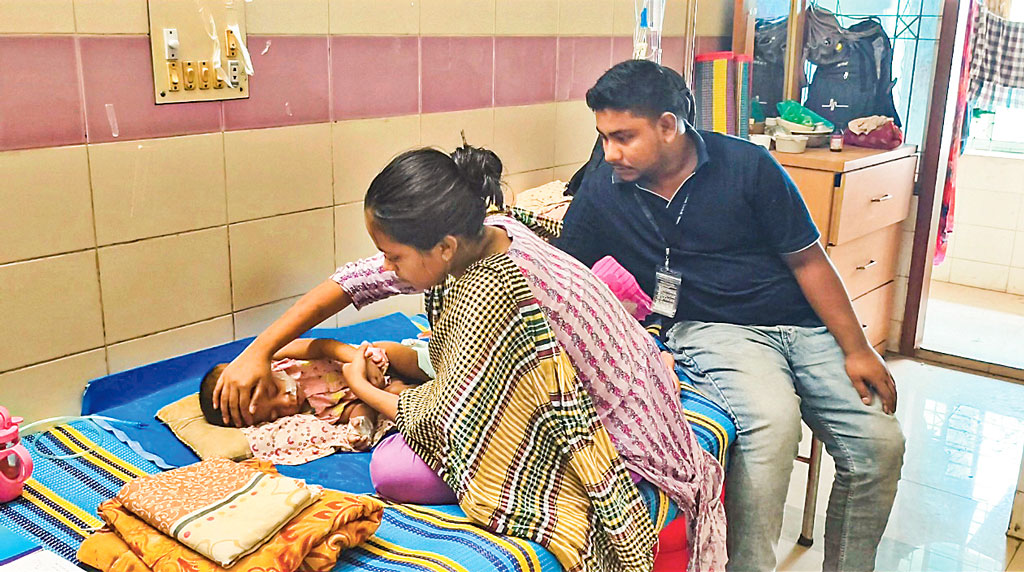
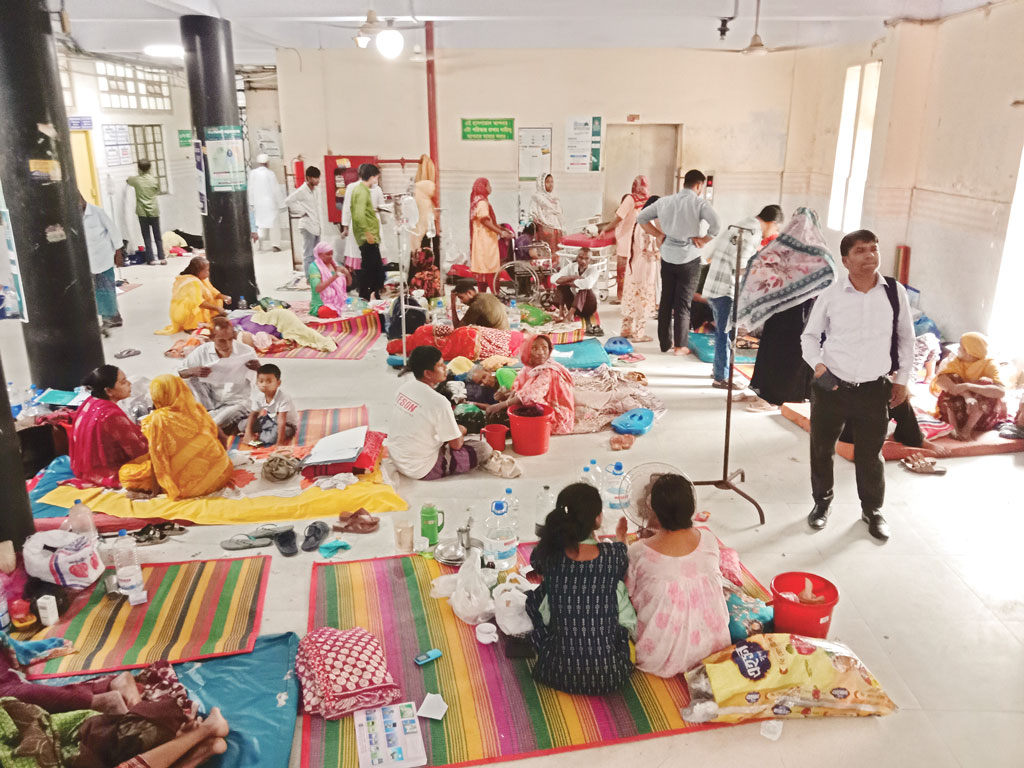
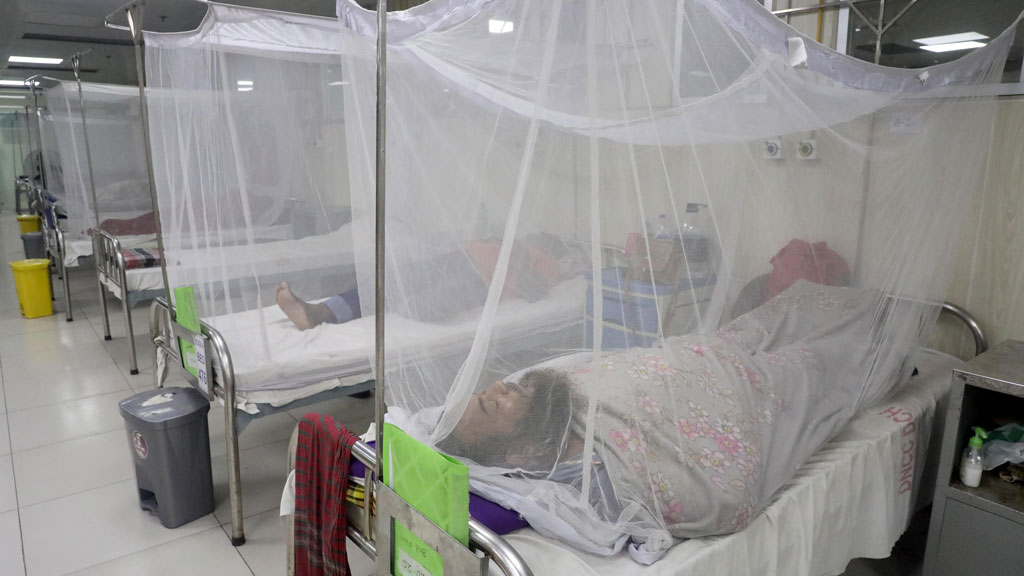
Bangladesh has recorded 999 deaths from measles and measles-like symptoms in the five-and-a-half months since the government began regular reporting on March 15, despite emergency vaccination, expanded treatment measures and public awareness campaigns. Experts say the outbreak and death toll have surpassed figures recorded over at least the past five decades.
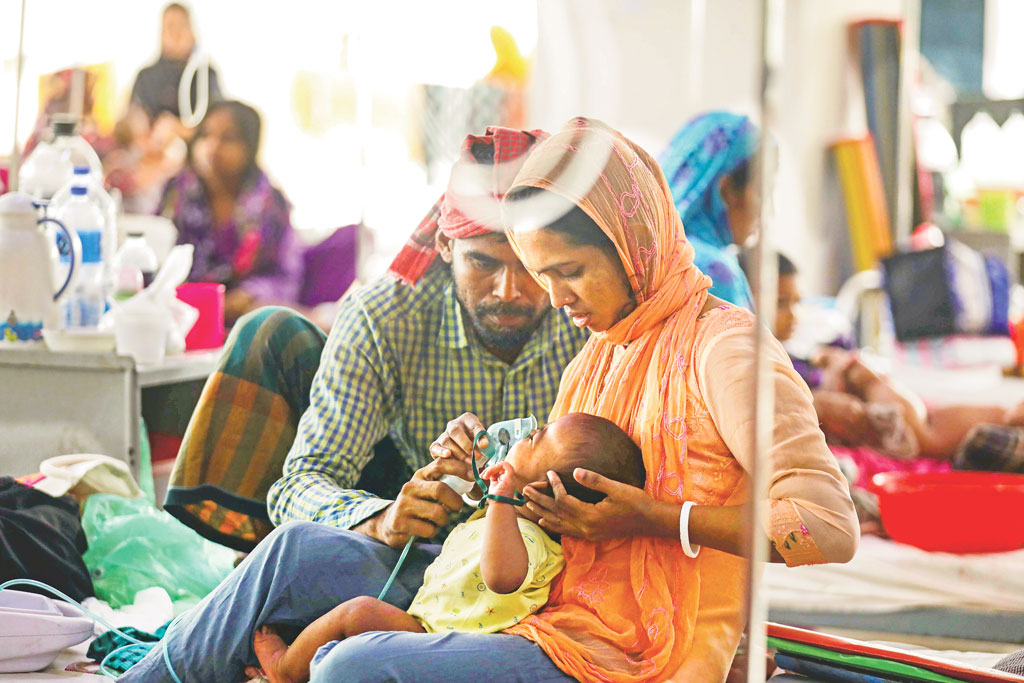
Government data show that 899 people died with measles-like symptoms, while laboratory tests confirmed measles infection in another 100 deaths. The overwhelming majority of those who died were children of different ages.
Epidemiologists have said deaths involving measles-like symptoms should not be excluded from the overall outbreak toll, as there is a high likelihood that measles was responsible. On that basis, an average of 5.6 people died each day over the past 178 days.
The World Health Organization said in an analysis dated April 23 that 79% of measles patients were under five, 66% were under two and 33% were below nine months old. At that time, most symptomatic deaths were among unvaccinated children under two.
Government figures show deaths rose sharply from 103 on April 3 to 206 on April 16, 311 on May 4 and 409 on May 10. The toll reached 512 on May 23, 601 on June 3, 702 on June 26, 803 on July 22 and 902 on August 15.
The death toll rose from 902 to 999 in just 24 days, reaching the latest figure by the morning of September 8. The figures indicate that deaths have shown no sign of stopping.
WHO attributed the growing number of vulnerable children to gaps in routine vaccination in recent years, shortages of measles-rubella vaccines in 2024-25 and the absence of regular nationwide supplementary immunisation campaigns since 2020.
An emergency measles-rubella vaccination programme began on April 5 in 30 upazilas across 18 priority districts. The campaign was later expanded through four city corporations and launched nationwide from May 3, targeting at-risk children aged six to 59 months and those missed by routine vaccination. A Vitamin A campaign was conducted at the end of June.
WHO has said that at least 95% of children must receive both doses of the measles-rubella vaccine through routine programmes to control measles. Emergency mass vaccination cannot replace routine immunisation and is intended only to rapidly protect children who were missed.
Vitamin A is also provided as part of treatment for children with measles because malnourished children and those with Vitamin A deficiency face a higher risk of severe complications.
Research by Bangladesh Shishu Hospital and Institute and the International Centre for Diarrhoeal Disease Research, Bangladesh found that 43% of 354 hospitalised children with measles were aged between three and nine months, while 65% were malnourished. The study also found that 38% had not been exclusively breastfed for the first six months after birth; the proportion was 82% among children who died.
An analysis of information on 341 children found measles in 97.3% of 146 children under nine months. Measles was detected in 97% of 126 vaccine-eligible children who had received no doses, 92% of 48 children who had received one dose and 76% of 21 children who had received two doses.
The research was limited in scale and hospital-based, and its findings cannot be used to conclude that vaccine effectiveness has declined or that the vaccine did not work among children who received two doses.
Professor Dr Mahmudur Rahman, chairman of the National Measles-Rubella Elimination Verification Committee and former director of the Institute of Epidemiology, Disease Control and Research, said measles was not currently on the government’s list of priorities.
“Alongside strengthening routine vaccination, targeted vaccination activities must again be conducted in areas with high transmission,” he said. “Children with fever or measles-like symptoms must be isolated, caregivers must be protected, and extensive public awareness is needed to prevent transmission.”
Mahmudur Rahman said vaccination delivery, staffing, funding and disease detection systems at the field level also needed to be reviewed.
Dr Mushtuq Husain, an epidemiologist and former principal scientific officer at IEDCR, said vaccinating only children under five would not control the current outbreak.
“At least 95% of children aged five to 15 must also be brought under vaccination coverage, and lists of missed children must be prepared so they can be vaccinated door to door,” he said.
Mushtuq Husain also called for stronger treatment services, including rapid referral of malnourished infected children to secondary-level hospitals, expanded services in areas inhabited by poor and mobile populations, and quick transfer of critically ill patients to advanced treatment centres.
Professor Dr Prabhat Chandra Biswas, director general of the Directorate General of Health Services, said the government had given the outbreak the highest priority from the beginning.
“Had measles not been a government priority, an emergency vaccination programme would not have been introduced so quickly,” he told Ajker Patrika. “Awareness campaigns have also been conducted through various channels.”
Prabhat Chandra Biswas said not all deaths involving measles-like symptoms should be directly classified as measles deaths, as infected children may die from pneumonia, kidney complications or other causes.
“Measles is often identified and treated based on symptoms, but tests may show that not all patients had measles,” he said. “Other complications can also develop after viral infection, and these need to be considered in determining the cause of death.”
Prabhat Chandra Biswas said the government was considering experts’ recommendations seriously and had decided to administer the first routine vaccine dose from six months of age instead of nine months. He said another 4 million vaccine doses would arrive within one to two weeks and that a new programme would be launched this month to vaccinate children who had been missed.