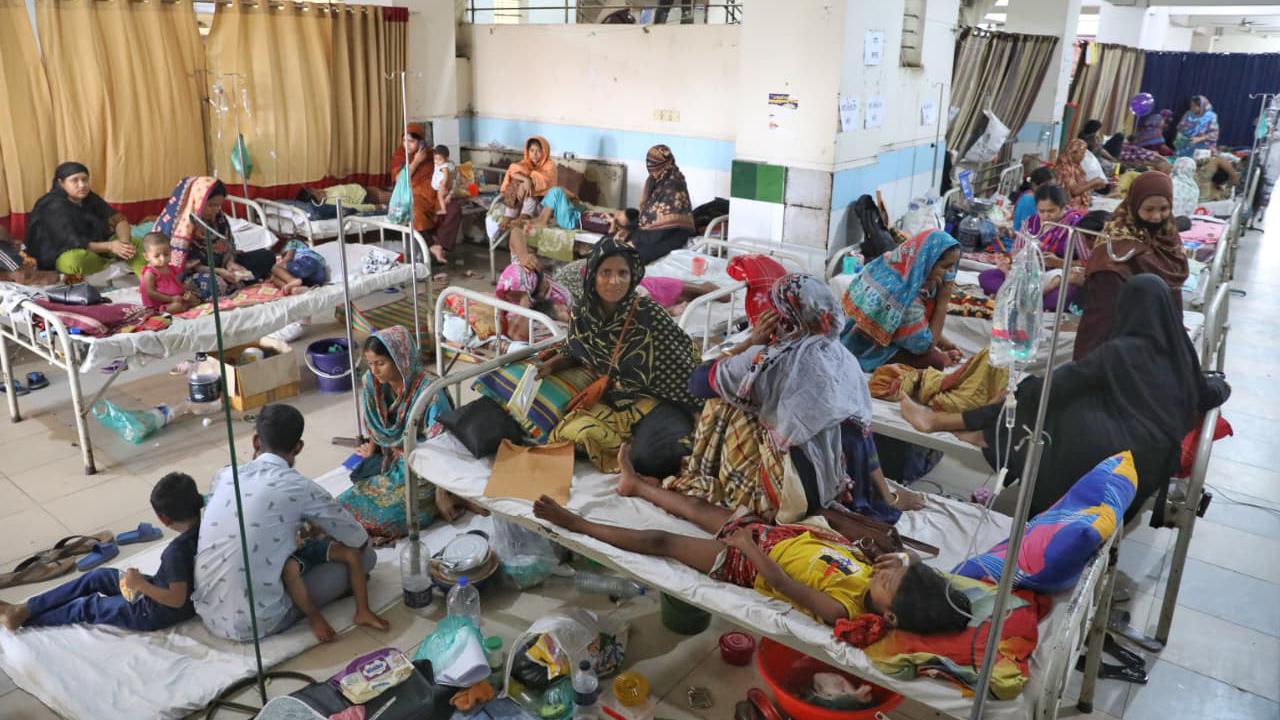
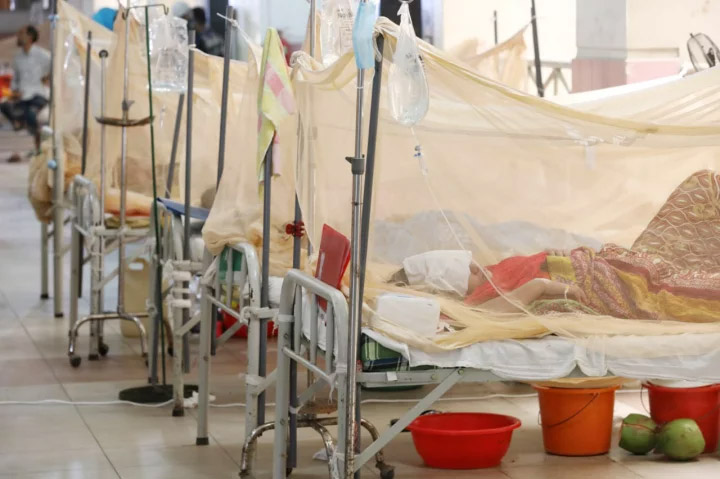
Dengue infections have risen sharply in Bangladesh over the past two months, spreading beyond Dhaka and Chattogram to several districts, particularly in coastal areas. Nine districts—Khulna, Pirojpur, Barishal, Bagerhat, Jhalokathi, Gazipur, Mymensingh, Cox’s Bazar and Narayanganj—have recorded nearly 15,000 hospital admissions, more than one-third of the national total.
The geographical spread of dengue has raised fresh concerns, as many of the districts experiencing rapidly increasing infections are in coastal regions.
Dr Mushtaq Hossain, former chief scientific officer of the Institute of Epidemiology, Disease Control and Research (IEDCR), identified several possible reasons for the rise in coastal areas. He told Ajker Patrika that residents in saline-prone coastal areas often collect rainwater in large containers and use it for months.
“Aedes mosquitoes can breed in that stored water. Field-level investigations are needed to determine whether the same factors that caused high infections in Barguna last year are now driving increases in Pirojpur, Jhalokathi, Bagerhat and Khulna,” Dr Hossain said.
Government data show that 42,590 dengue patients were admitted to hospitals from the beginning of the year until Sunday, while 117 people died.
Dengue infections were comparatively low during the first five months of the year but began rising rapidly from June. Hospital admissions stood at 2,907 in June, 9,206 in July and 20,536 in August. A further 6,744 patients were admitted during the first six days of September.
Deaths also increased from June, when 13 fatalities were reported. The death toll rose to 36 in July and 43 in August, while 20 deaths were recorded in the first six days of September.
According to the latest Directorate General of Health Services data, Khulna recorded 3,762 hospital admissions among the nine districts, followed by Mymensingh with 1,712, Pirojpur with 1,700, Gazipur with 1,485, Jhalokathi with 1,453, Barishal with 1,199, Bagerhat with 1,186, Cox’s Bazar with 1,069 and Narayanganj with 1,015.
Khulna recorded 18 deaths, Mymensingh 11 and Barishal eight. Pirojpur, Jhalokathi, Bagerhat and Gazipur each reported one death. No dengue deaths have been reported in 49 districts this year.
Sources in the Health Services Division said the Health Minister and the Director General of Health Services held a special meeting on Saturday night with all divisional directors, hospital directors and superintendents, and civil surgeons across the country.
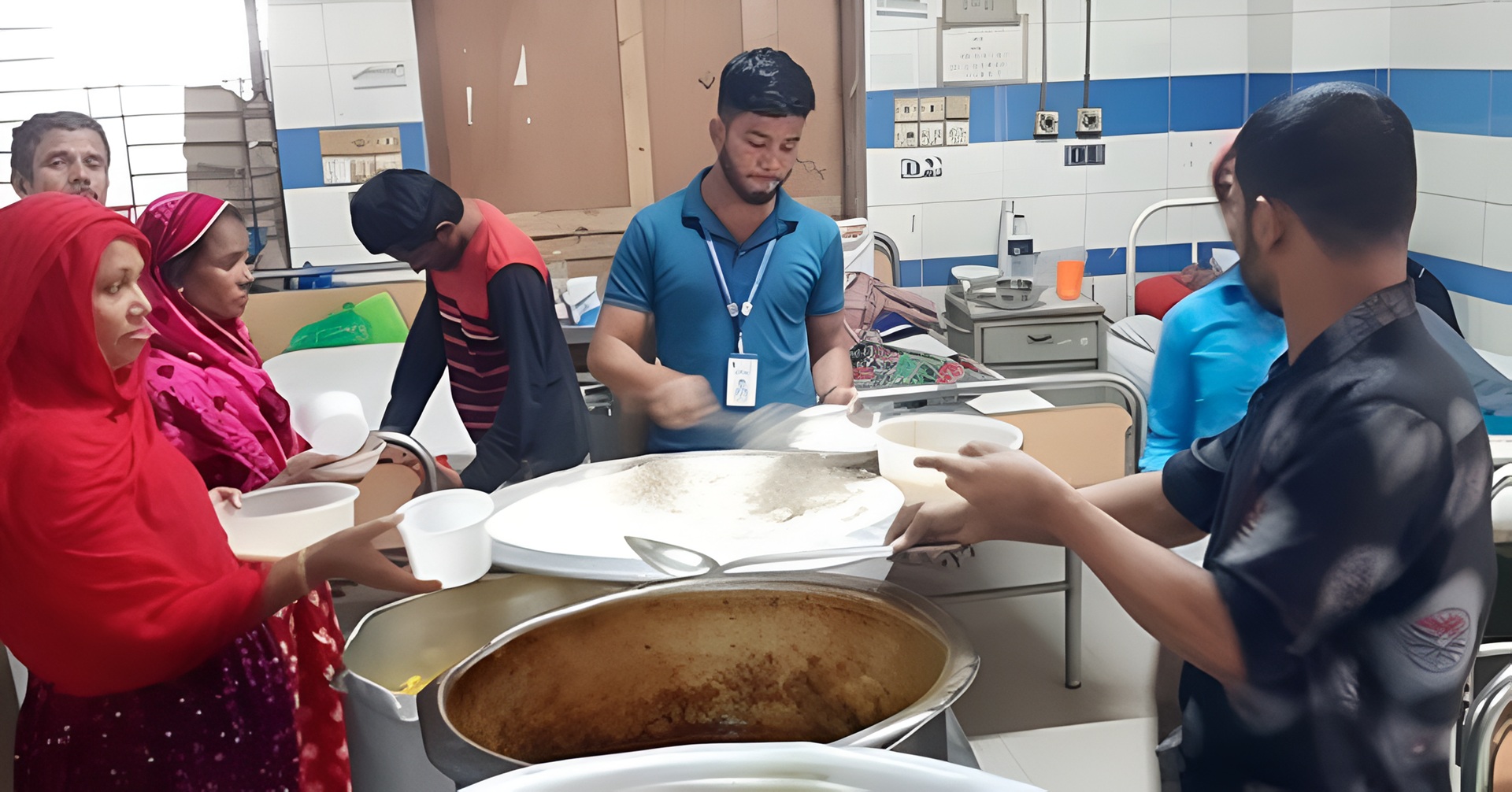
The meeting issued instructions to doctors and support staff treating dengue patients. Hospitals, including district hospitals, were directed to maintain stocks of dengue test kits and essential fluids and to increase beds in dengue corners if required.
Khulna under greatest pressure
Khulna has recorded the highest number of dengue patients outside the capital this year. Dr Sheikh Md Mosharraf Hossain, Khulna Divisional Director of Health, said 885 patients were currently admitted across the division and 21 people had died.
Rainfall, waterlogging and unplanned urbanisation have been major factors behind the rise in dengue infections in Khulna Division this year, Dr Mosharraf told Ajker Patrika. He said weak drainage and sewerage systems in Khulna city prevented rainwater from draining quickly.
“Many drains are higher than adjacent land and roads, causing water to accumulate and create waterlogging. This creates opportunities for Aedes mosquito larvae to spread,” he said. “It has also become difficult to identify and destroy mosquito breeding sites during rainfall.”
Infections had been high in Bagerhat until recently but are now under control, while the situation in Satkhira is also stable, he said. Khulna city remains the division’s main area of concern.
Dr Mosharraf said hospitals in Khulna were prepared to manage the patient load. Khulna Medical College Hospital and Khulna Specialised Hospital have arranged treatment for dengue patients, with doctors being assigned as needed.
Dengue patients are also receiving treatment at the 250-bed General Hospital in Khulna city. Dr Md Rafiqul Islam Ghazi, the hospital superintendent, said no separate dengue beds or ward had been designated, but patients were being treated in the male and female medicine wards. The hospital currently has 37 dengue patients admitted.
“Dengue cases have increased this year compared with last year,” Dr Rafiqul said. “The nature of complications is broadly the same, although diarrhoea symptoms appear to be more common among some patients.”
Pirojpur infections rising
Dengue infections have also increased significantly in Barishal Division, where Pirojpur has recorded the highest number of patients, according to the office of the divisional health director. Patients have been reported, in varying numbers, from all upazilas in the district.
Dr Md Refayetul Haider, Barishal Divisional Director of Health, said Pirojpur had recorded the highest transmission level in the division this year. Infections have also increased in neighbouring Bagerhat district in Khulna Division.
Health officials believe the infection could spread through working people traveling between the two districts, Dr Haider said.
“District hospitals have been kept prepared to tackle dengue,” he said. “Hospitals have NS1, IgM and IgG testing kits and sufficient fluids. Necessary instructions have been provided to doctors and support health workers.”
Dr Mushtaq recommended community-level testing in areas with high numbers of dengue patients. He said health workers should collect patients’ addresses from hospitals and arrange dengue testing in those neighborhoods to identify infected people early and bring them under treatment.
However, entomologist Professor Kabirul Bashar of Jahangirnagar University’s Department of Zoology said he did not see a direct link between rising dengue infections and coastal regions.
Environmental conditions may become favourable for Aedes mosquito breeding in different parts of the country at different times, leading to increased infections in those areas, he said.
Professor Dr Halimur Rashid, Director of Disease Control at the Directorate General of Health Services, said teams had been sent to affected areas to investigate the causes of rising dengue transmission.
“Health department teams have been sent to the relevant areas,” he told Ajker Patrika. “Information from those areas will help determine why infections are increasing.”