12 Government Medical Colleges Lack Own Hospitals, Hindering Clinical Training
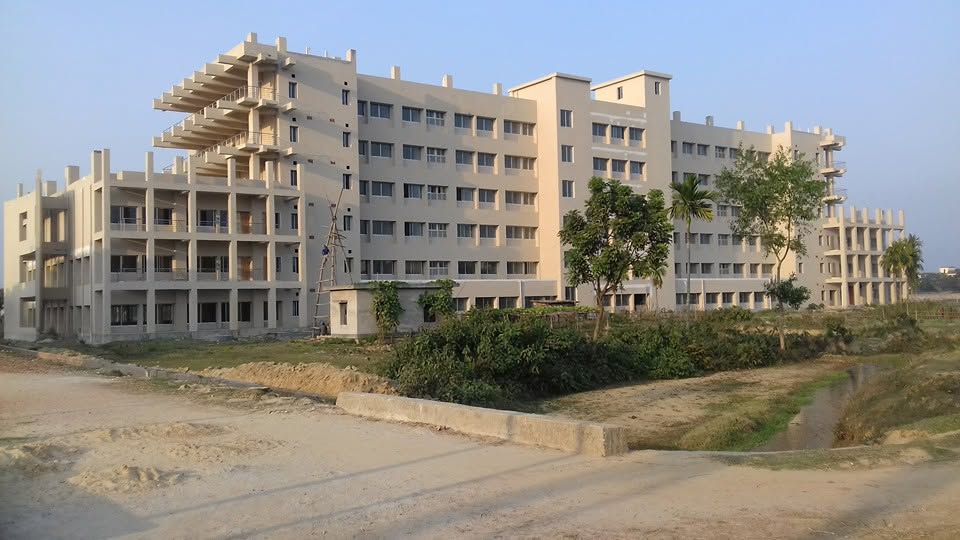
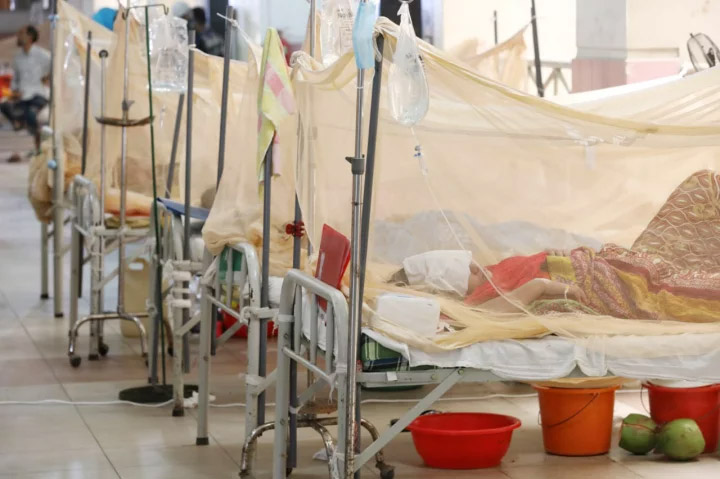
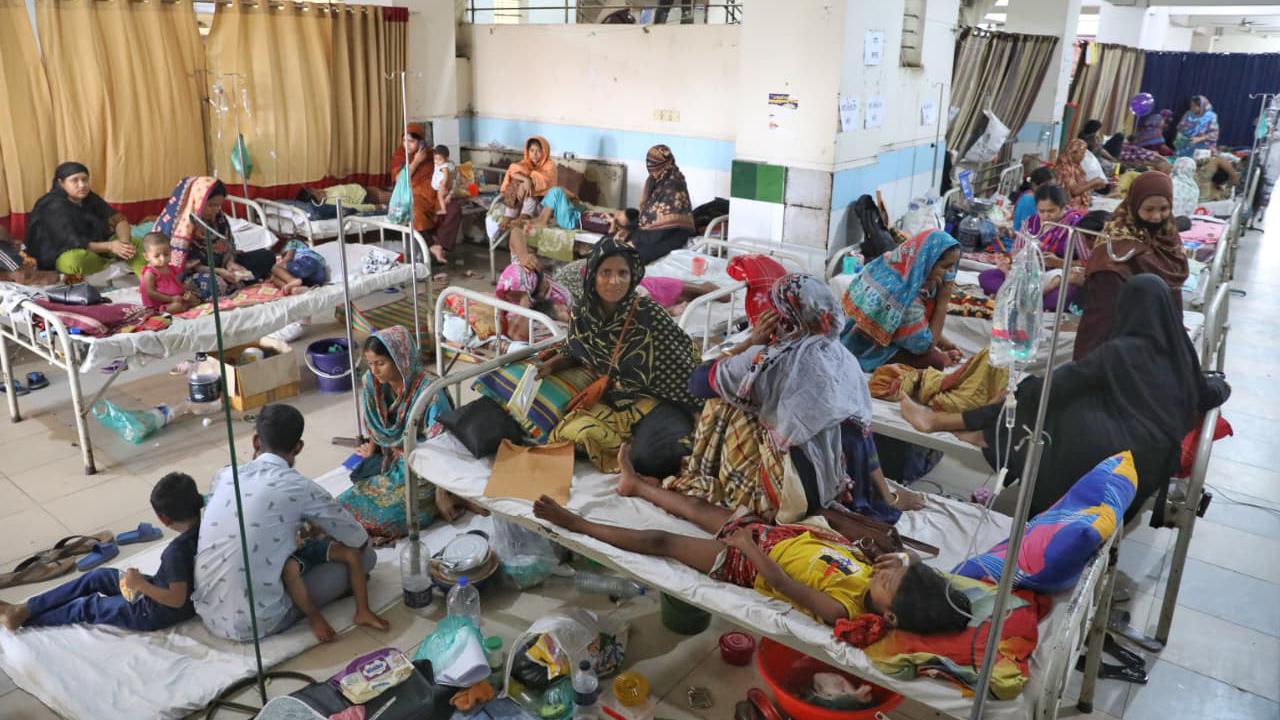
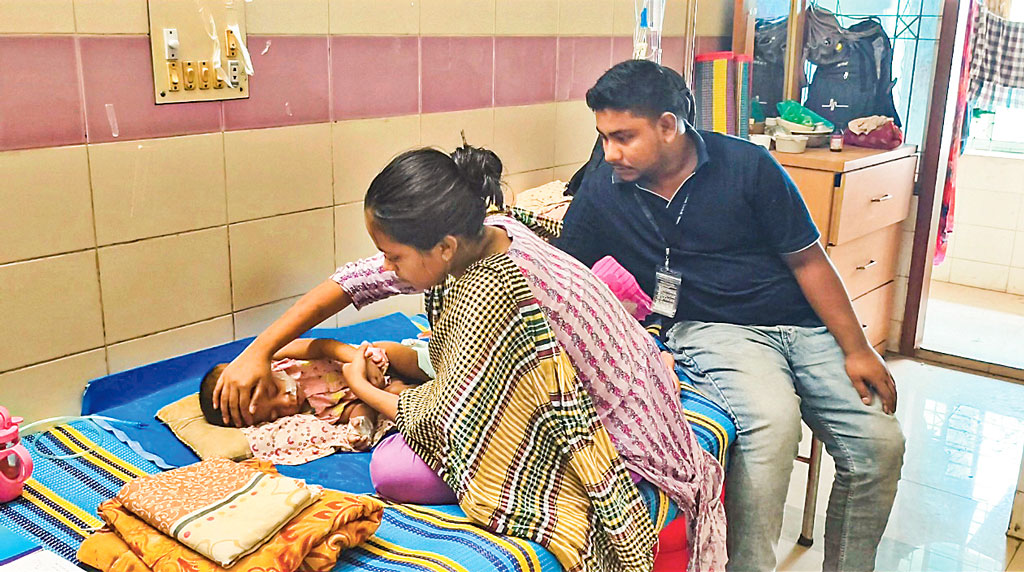
Twelve of Bangladesh’s 37 government medical colleges do not have their own hospitals, requiring students to undergo clinical education and internships at district headquarters or general hospitals, according to the Directorate General of Medical Education. Medical education experts say the arrangement limits exposure to complex cases, specialised departments and tertiary-level treatment.
A medical college’s own hospital is considered a core component of medical education, serving as a practical laboratory for students. Clinical skills—including taking patient histories, conducting physical examinations, diagnosing diseases and providing treatment—are developed through hands-on training with admitted patients.
Clinical training becomes the main area of practical learning from the third year of medical studies. District and general hospitals, however, are secondary-level facilities that may lack sufficient beds, complex cases, surgical facilities, specialised departments, teachers and other resources needed for comprehensive clinical education.
Pabna, Noakhali and Cox’s Bazar Medical Colleges were established in 2008, each with approval for hospitals of between 250 and 500 beds. Jashore Medical College, established in 2011, has approval for a 278-bed hospital, while Jamalpur Medical College, established in 2014, has approval for a 250-bed hospital.
All five colleges have separate academic buildings but no hospitals of their own.
Rangamati Medical College was established in 2014, Habiganj Medical College in 2017, and Nilphamari, Netrokona, Naogaon, Magura and Chandpur Medical Colleges in 2018. None of these institutions has either a separate academic building or its own hospital.
Rangamati, Habiganj, Nilphamari, Naogaon, Magura and Chandpur have approval for 250-bed hospitals, while Netrokona has approval for a 222-bed hospital.
Construction has begun on hospitals at several of the 12 colleges, but less than one-third of the work has been completed within the scheduled timeframe. Clinical training requirements were known to be necessary only a few years after student admissions began.
Noakhali Medical College in Begumganj, established in 2008, has not received its own hospital even after 17 years. Clinical and practical training, as well as internships, are being conducted at the 250-bed Noakhali General Hospital in Maijdee Court, Sadar Upazila, about 10 kilometres away.
Professor Dr Md Saiful Islam, principal of Noakhali Medical College, told Ajker Patrika: “Construction of our own hospital has not yet started. Noakhali General Hospital is being used as the college’s temporary hospital. We spend one to one-and-a-half hours every day travelling. There are differences between a medical college hospital and a general or district hospital in terms of patient types, management of complex cases and the variety of clinical cases.”
Professor Islam said college teachers provide treatment to patients at Noakhali General Hospital while also teaching students. “Therefore, students are not completely disconnected from clinical education. However, with our own hospital, academic activities could be conducted in a more coordinated and effective manner. There is a plan for a 500-bed hospital,” he said.
Professor Dr Priti Prasun Barua, principal of Rangamati Medical College, said students receive clinical education and complete internships at the 250-bed Rangamati General Hospital. “Seven batches have completed MBBS so far. Work on constructing the college’s own building and hospital is at the initial stage,” he said.
Students must complete a five-year MBBS or BDS course before receiving provisional registration from the Bangladesh Medical and Dental Council. A one-year compulsory internship is required before the council grants permanent registration as a doctor.
Officials of the Directorate General of Medical Education said hospitals are not merely administrative components of medical colleges, but essential settings where students learn from patients, clinical departments, doctors and a range of medical cases.
The World Federation for Medical Education, a global organisation that assesses and accredits medical education providers, stresses the need for adequate clinical teaching facilities in its international standards and guidelines.
Professor Dr Mozaherul Huq, a former senior adviser to the World Federation for Medical Education and former World Health Organization adviser for South-East Asia, said students at colleges without their own hospitals may not acquire skills equivalent to those trained at better-equipped institutions.
“Medical education and training must be of the same standard for everyone,” Professor Huq told Ajker Patrika. “Students of medical colleges without their own hospitals have to depend on district or general hospitals. Their clinical training does not become complete there. Since these hospitals provide more general treatment, opportunities to gain experience in complex diseases and specialised treatment remain limited. This gap in education and training can create differences in doctors’ skills and affect overall healthcare services.”
The Bangladesh Medical Education Accreditation Council evaluates 11 areas, including medical college libraries, laboratories, clinical teaching, infrastructure and publications. The council considers students’ clinical experience, rather than hospital infrastructure alone, an important indicator of medical education quality.
The absence of medical college hospitals also affects local patients, who may be deprived of specialised care. Medical college hospitals are key tertiary and specialised treatment centres, receiving referrals from primary and secondary healthcare facilities for complex and long-term illnesses.
Habiganj Medical College began operations in the 2017–18 academic year. Seven to eight years later, its classes and administrative activities are still being conducted from several rooms of the 250-bed district headquarters hospital.
Netrokona Medical College conducts clinical education at the district headquarters hospital, which does not provide fully developed specialised services. Students at such hospitals are therefore unable to gain practical experience in managing complex diseases.
The government has approved two new government medical colleges in Thakurgaon and Narsingdi this year despite shortages of hospitals, teachers and academic infrastructure at existing institutions. The approvals have raised questions about whether adequate teaching staff, hospitals and clinical training facilities will be ensured before the new colleges begin operations.
Professor Dr Nazmul Hossain, director general of the Directorate General of Medical Education, said it was not entirely accurate to say that the government medical colleges had no hospitals of their own.
“Those colleges have affiliated hospitals,” Professor Hossain told Ajker Patrika. “However, students in some places have to travel several kilometres for clinical education and internships. The ideal arrangement is to receive education at a hospital attached to the medical college. Construction of hospitals for several colleges has now begun and may take one-and-a-half to two years to complete.”
Professor Hossain said the government was undertaking separate projects to improve infrastructure at older colleges and was trying to ensure necessary facilities from the outset at new institutions.
“Narsingdi Medical College’s adjacent 250-bed district headquarters hospital has been upgraded to 500 beds, so a separate hospital will not be required there,” he said. “The Thakurgaon Medical College project includes provisions for a hospital and other required infrastructure.”