
Myanmar guilty of Rohingya Genocide, what punishment could it face
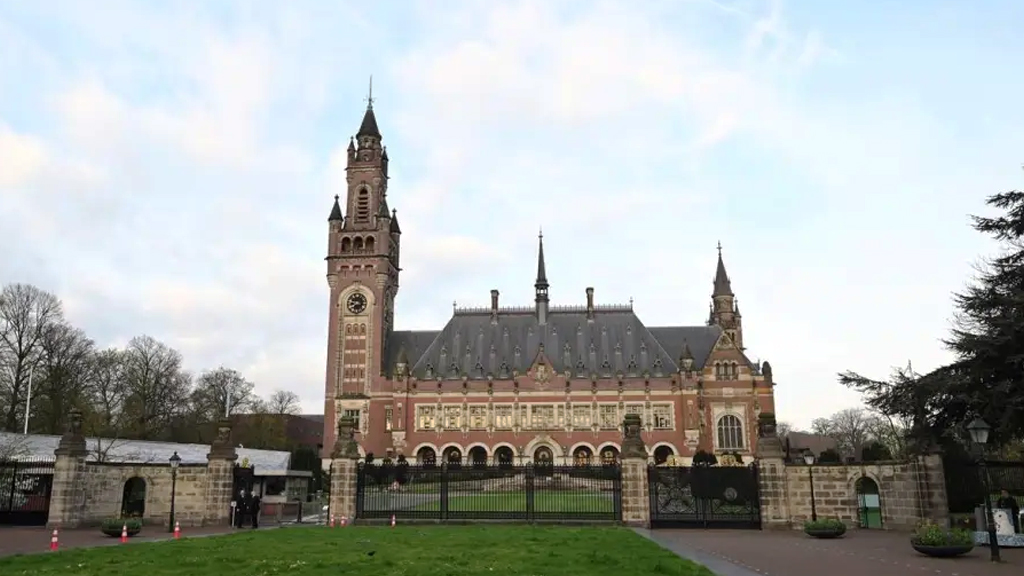
The International Court of Justice (ICJ) has found Myanmar guilty of genocide against the Rohingya community in a landmark ruling in The Hague, Netherlands. The decision is described as unprecedented in international law, as no sovereign state had previously been formally held responsible for violating the UN Genocide Convention.
Questions have arisen over how a state can be punished, given that the ICJ has no police force and is not a criminal court for individuals.
International law operates through two separate judicial processes. The ICJ settles legal disputes between states and determines state responsibility.
The International Criminal Court (ICC), meanwhile, prosecutes individuals for criminal offences. The ICC has exclusive authority to impose prison sentences on military generals, presidents or those who order crimes.
The ICJ cannot send Myanmar to prison as a state. However, the court has imposed specific legal obligations and liabilities on the country.
The ICJ ruling is final and binding, with no scope for appeal. Under international law, Myanmar has been directed to immediately implement several measures.
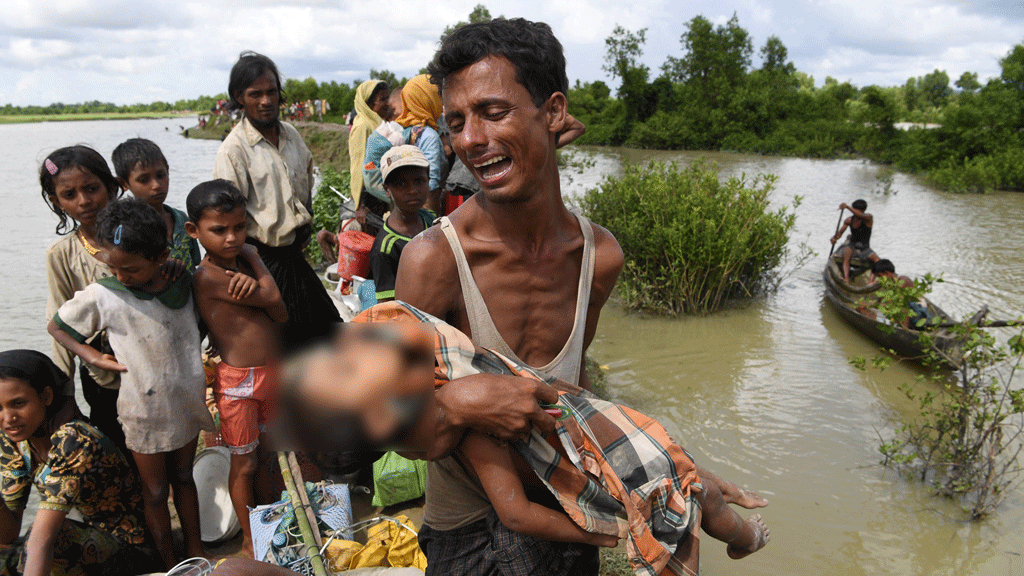
Myanmar must stop all forms of violence and persecution against the Rohingya and provide full legal assurances that such acts will not recur.
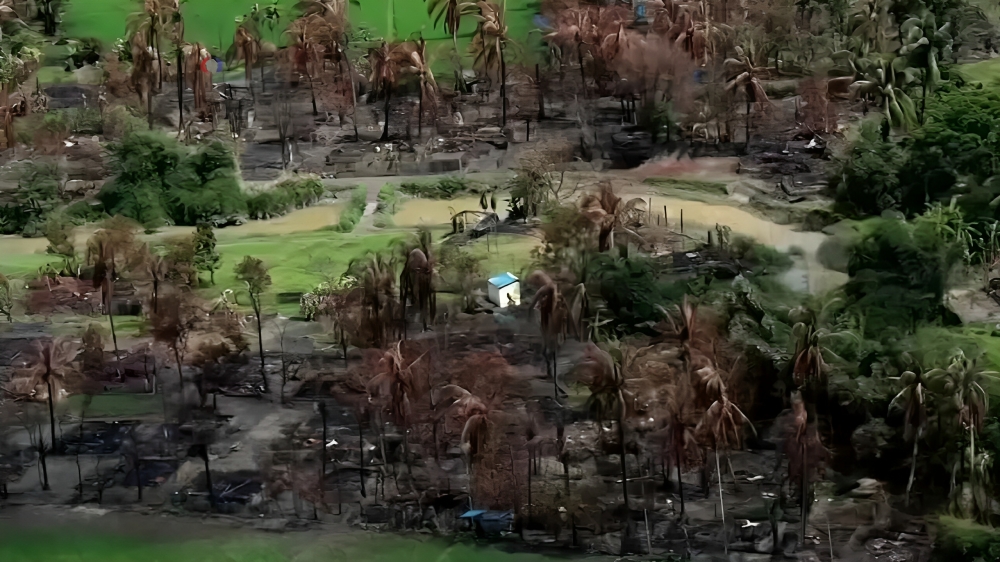
Myanmar must also provide reparations to Rohingya victims. Families who lost homes, property and relatives in the genocide must receive financial and material compensation, while affected areas must receive mandatory reconstruction support.
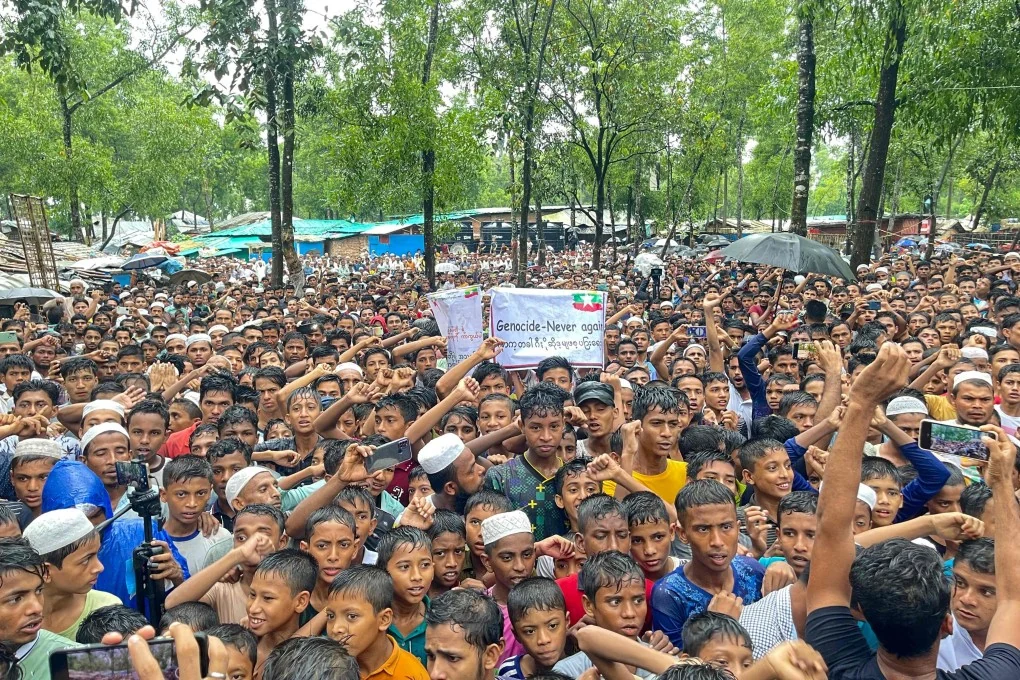
Myanmar must create conditions for the safe, dignified and voluntary return of millions of Rohingya refugees who have taken shelter in Bangladesh. The country must also guarantee their basic civil rights and full citizenship.
The ICJ has no police force or enforcement agency of its own. The ruling can, however, be implemented through global politics and the United Nations system.
If Myanmar refuses to comply, the aggrieved party or other member states may raise the matter at the UN Security Council. The Security Council could consider unanimous economic and military sanctions against Myanmar’s junta, a global arms embargo or international trade restrictions.
The ruling could also strengthen ongoing cases at the ICC against Myanmar military chief Min Aung Hlaing and other military officers. The decision is expected to increase global pressure for their detention and trial.
Myanmar’s military junta could also find it effectively impossible to maintain diplomatic legitimacy internationally after the ruling. International organisations and countries may face difficulties in pursuing trade, military agreements or financial transactions with Myanmar, potentially further isolating the junta.
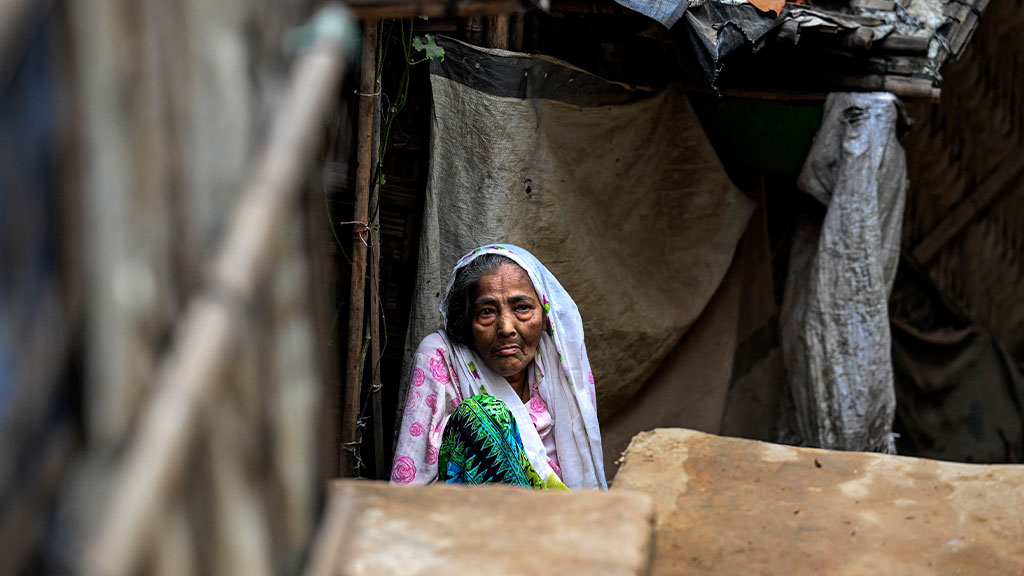
The ruling is highly significant for millions of Rohingya victims living in refugee camps across Bangladesh. Myanmar had long claimed that it committed no wrongdoing and was conducting operations against militants, but the UN’s highest court has formally rejected that position, according to the report.
The ruling recognises that what happened to the Rohingya was not merely violence but genocide carried out with the intent to eliminate an ethnic group.
The ICJ decision alone will not enable all Rohingya to return safely to their homeland overnight. The ruling, however, has found Myanmar’s military junta culpable before the international community and provided a historic legal basis for the Rohingya’s struggle for justice.