
ICJ rules Myanmar committed Genocide Against Rohingya
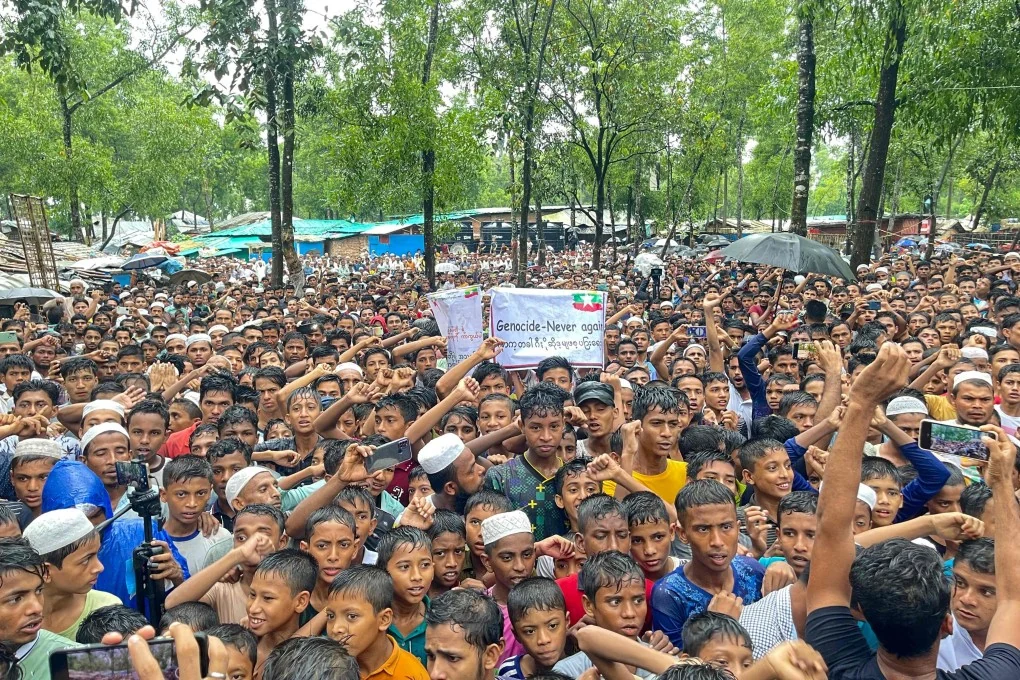
The International Court of Justice (ICJ) ruled on Thursday that Myanmar committed genocide against the minority Rohingya population in northern Rakhine State, finding that the country violated its obligations under the international Convention on the Prevention and Punishment of the Crime of Genocide.
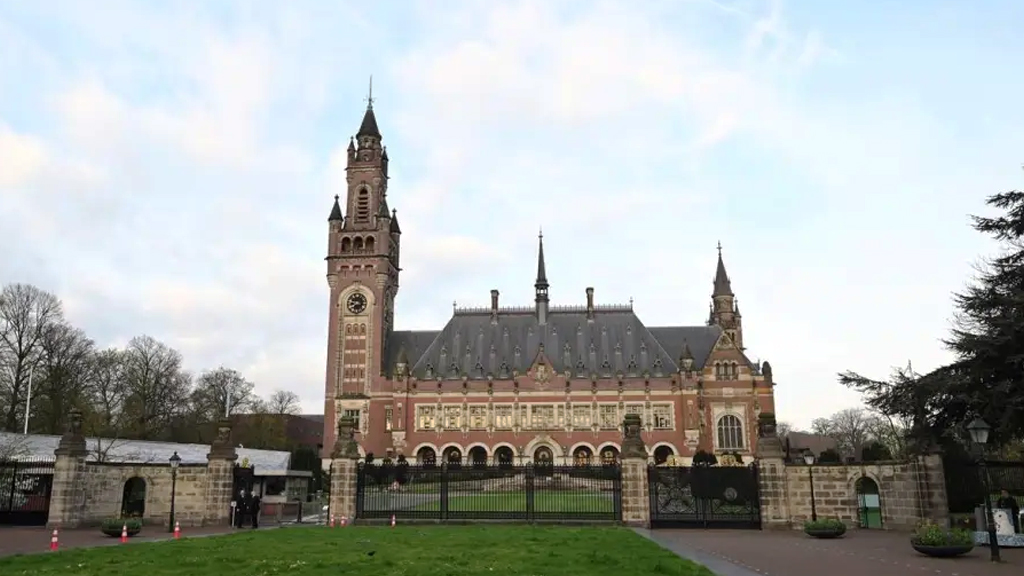
ICJ Judge Yuji Iwasawa delivered the ruling at the Peace Palace in The Hague, Netherlands. The court said this was the first time the ICJ had ruled that a state had committed the crime of genocide.
“Myanmar committed genocide against the Rohingya population in northern Rakhine State. Through this, the country violated its obligations under the international convention on the prevention and punishment of genocide,” Iwasawa said.
The reading of the verdict began at 10am local time on Thursday, or 3pm Bangladesh time, and concluded nearly three hours later.
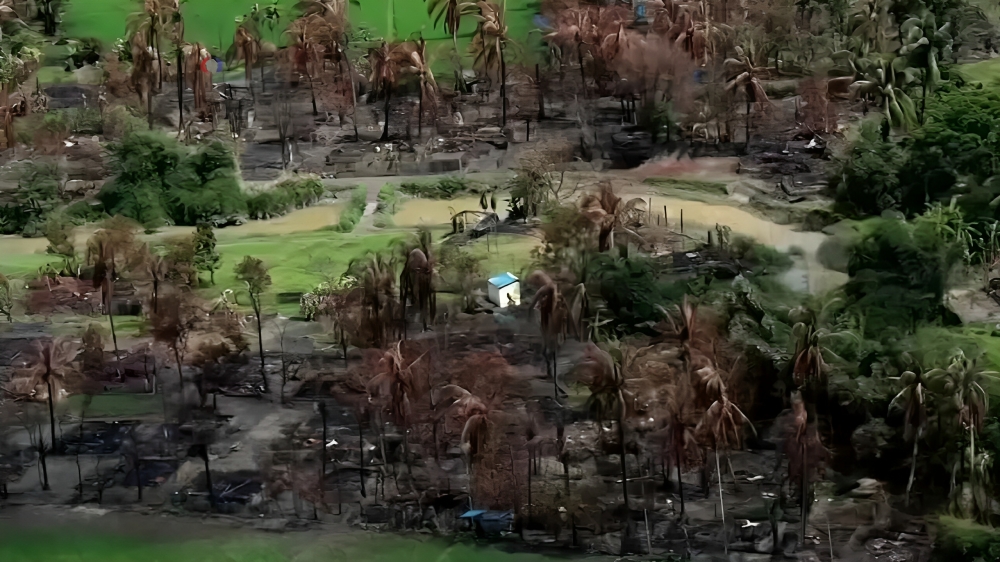
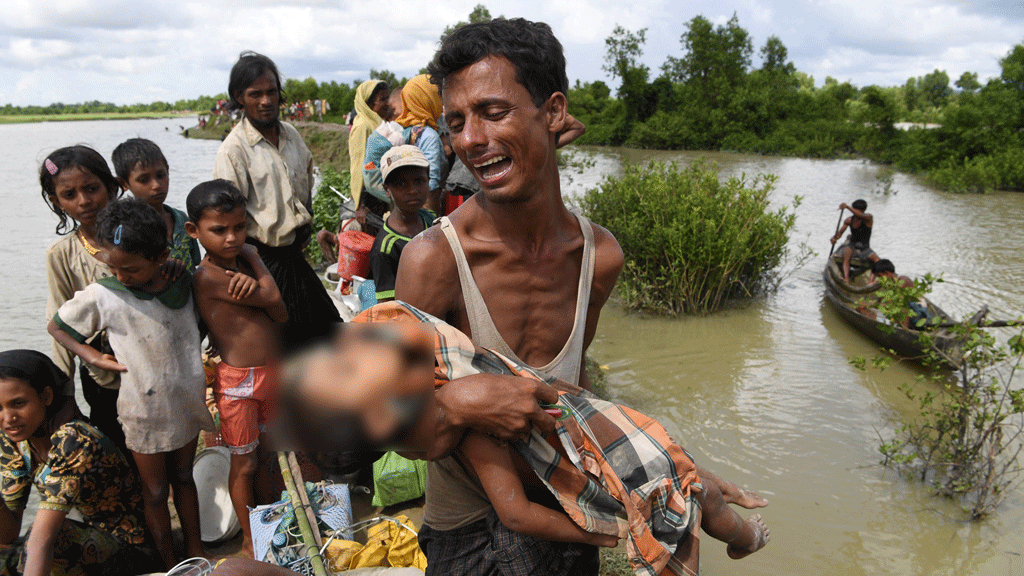
The court said that before the “clearance operations” launched in August 2017, there had been attacks by the Arakan Rohingya Salvation Army (ARSA) on security posts and civilians, as well as incidents of village burnings. The court said evidence had also been presented of indiscriminate killings and other violence by Myanmar’s security forces.
According to evidence reviewed by the court, about 10,000 Rohingya were violently killed during the 2017 operations, Iwasawa said.
The ICJ recognised the Rohingya as a distinct ethnic group, noting that they have their own language, art and culture and identify themselves as a separate community. Evidence also showed that the Rohingya had faced discrimination in Myanmar for decades.
The court therefore found that the Rohingya qualify as a protected group under the Genocide Convention.
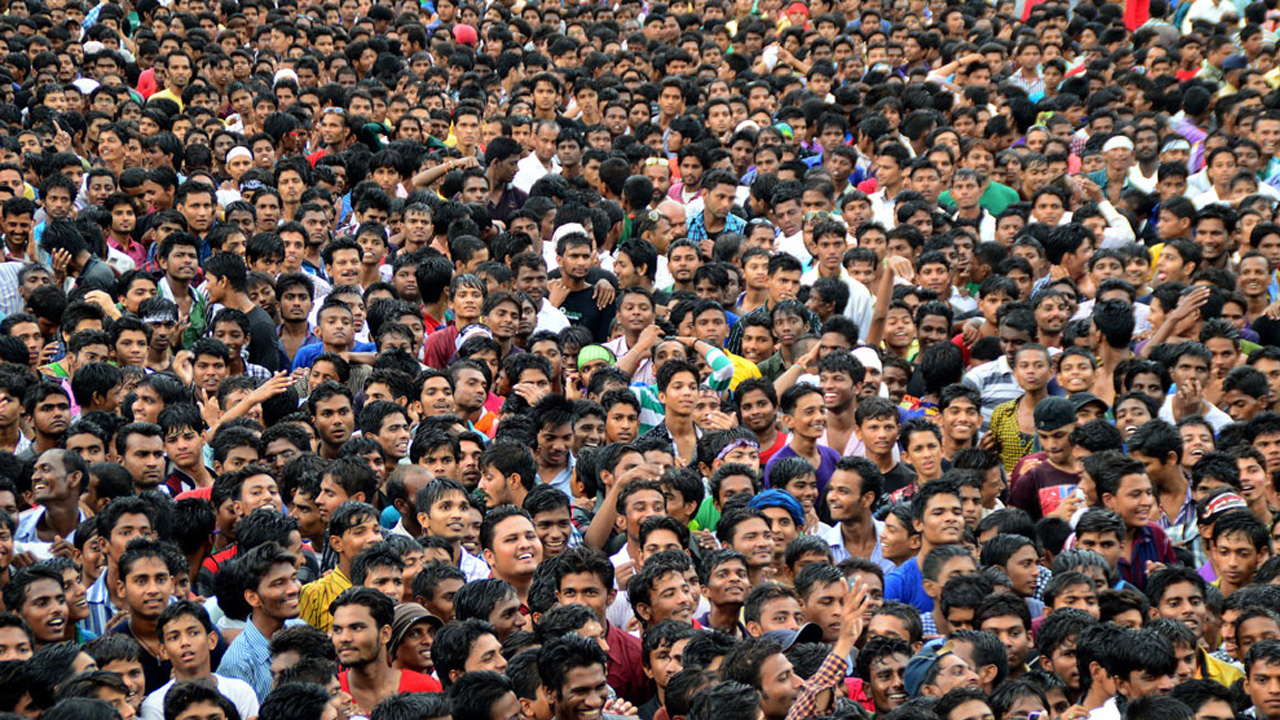
About 815,000 Rohingya lived in northern Rakhine State before the 2017 operations began. Iwasawa said the population targeted by Myanmar was sufficiently large, a significant factor in determining whether it constituted a substantial group under the Genocide Convention.
Iwasawa also outlined state responsibility for preventing and punishing genocide. A state may be held responsible where actions by its organs, or by individuals or groups linked to it, are attributable to the state, he said.
Individuals may bear criminal responsibility, while states have responsibilities and obligations under international law. State responsibility, however, is not equivalent to criminal liability.
Thursday’s ruling concludes a seven-year legal battle in the case filed by The Gambia in 2019 with the support of the Organisation of Islamic Cooperation (OIC). The ICJ ruling is not subject to appeal and is considered final under international law.