US-Iran Tit-for-Tat Strikes: Yemen Conflict Spills Into Saudi Arabia
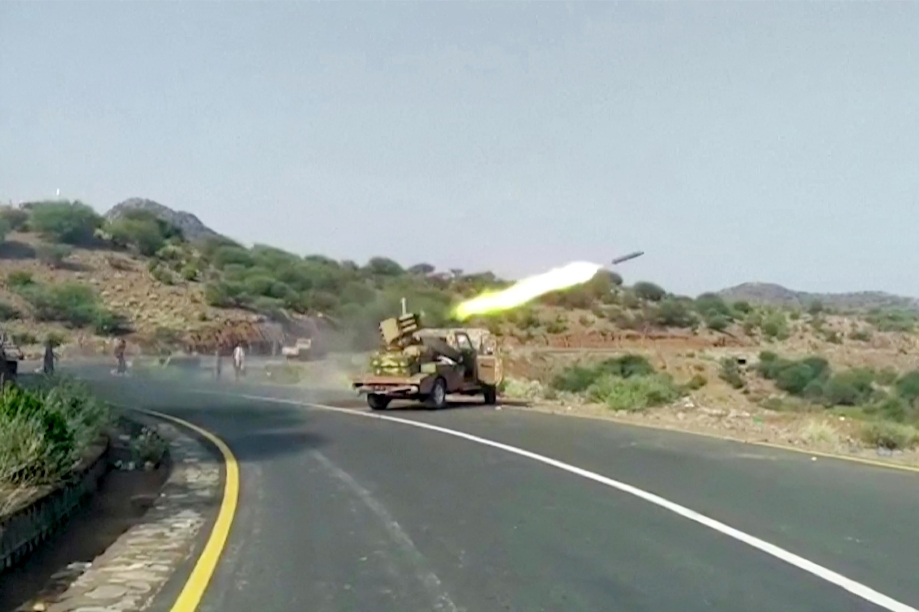
Iran-backed Houthi forces in Yemen struck four cities in southern Saudi Arabia on Tuesday, injuring 73 people and setting oil facilities on fire, Reuters reported. The attacks came as US forces said they had destroyed five Iranian crude oil tankers, while Iran claimed it had launched ballistic missiles at a US base near Al-Azraq in Jordan.
The Houthi attacks marked a major expansion of the six-month conflict, drawing US ally Saudi Arabia more deeply into the war. Oil prices rose in global markets as reports of the Saudi strikes emerged.
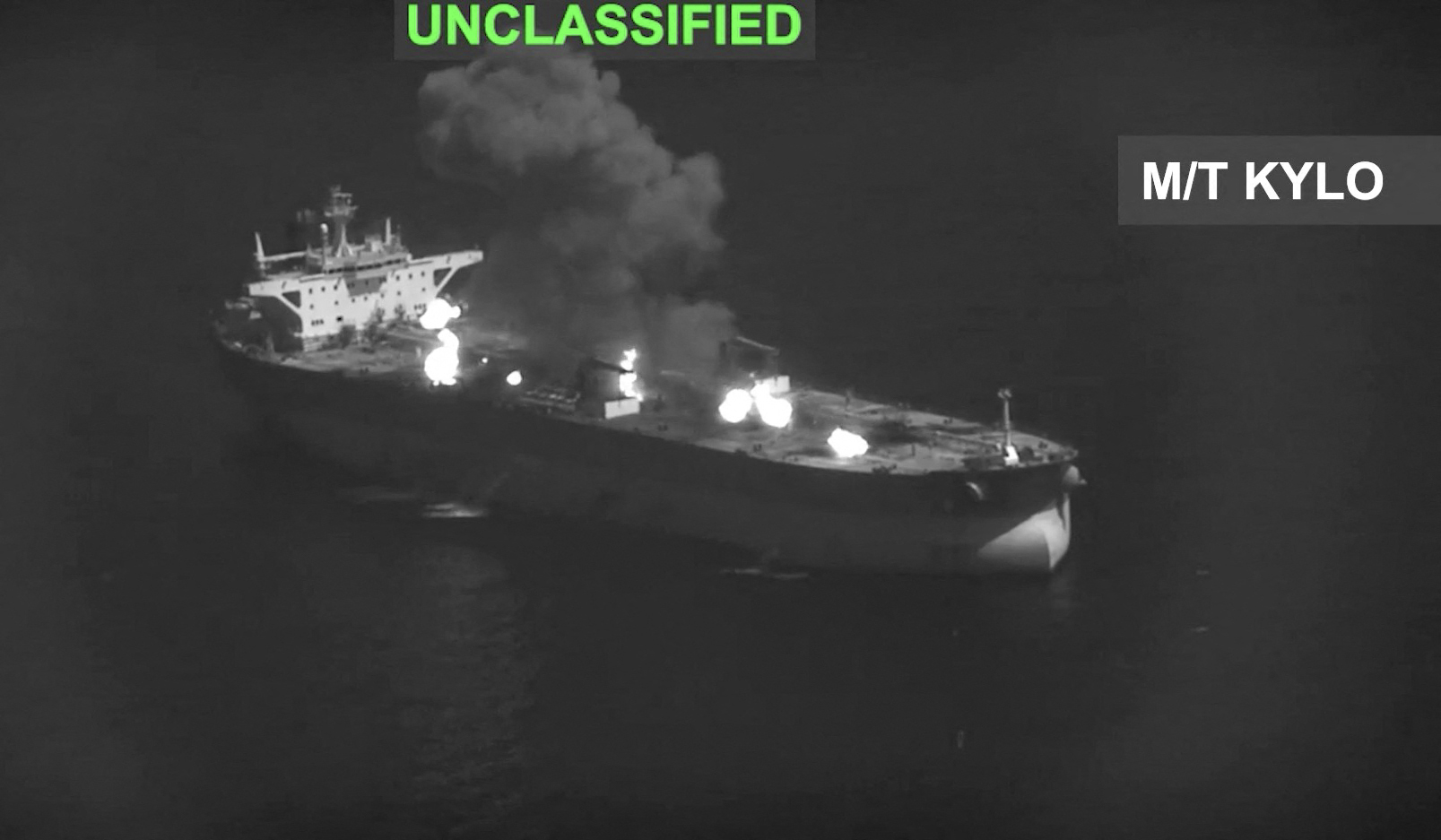
US Central Command said it destroyed five Iranian crude oil-carrying vessels and released video footage of the operation. The US military said the action followed two ballistic missile attempts by Iran’s Islamic Revolutionary Guard Corps (IRGC) to target a US naval vessel over the previous two days.
The United States said no Americans were killed or injured in those incidents.
Speaking to reporters during a visit to Colombia, US Secretary of State Marco Rubio said: “Iran continues to try to strike US naval vessels. Every time they do it or try to do it, they will lose tankers.”
The IRGC responded by saying it had launched ballistic missiles at a US base near Al-Azraq in Jordan. Iranian state media published the statement and released footage it claimed showed Iranian missiles being launched towards Jordan.
Iran claimed its missile strikes caused extensive damage. Jordan, however, said its air defence systems intercepted 18 of 20 missiles fired by Iran, while the remaining two landed in unpopulated areas. Jordan said there were no casualties.
Iran has targeted US allies across the region throughout the war, and Jordan has previously come under attack several times. An attack in July killed two US soldiers.
A separate IRGC statement said Iran had also attacked two US destroyers, according to state media. The US military had not commented on that claim at the time.
Iran also threatened to attack oil tankers at ports in Kuwait and Bahrain, according to a statement published by state media.
A maritime security source said a liquefied natural gas tanker was damaged at Khor Fakkan port in the United Arab Emirates. Responsibility for the damage was not clear.
The Houthis, who control most populated areas of Yemen including the capital, said on Tuesday that they had carried out a major operation deep inside Saudi territory. The group said it used drones and missiles to target a Saudi airbase in Khamis Mushait and facilities of the Saudi state oil company in Abha, Najran and Jazan.
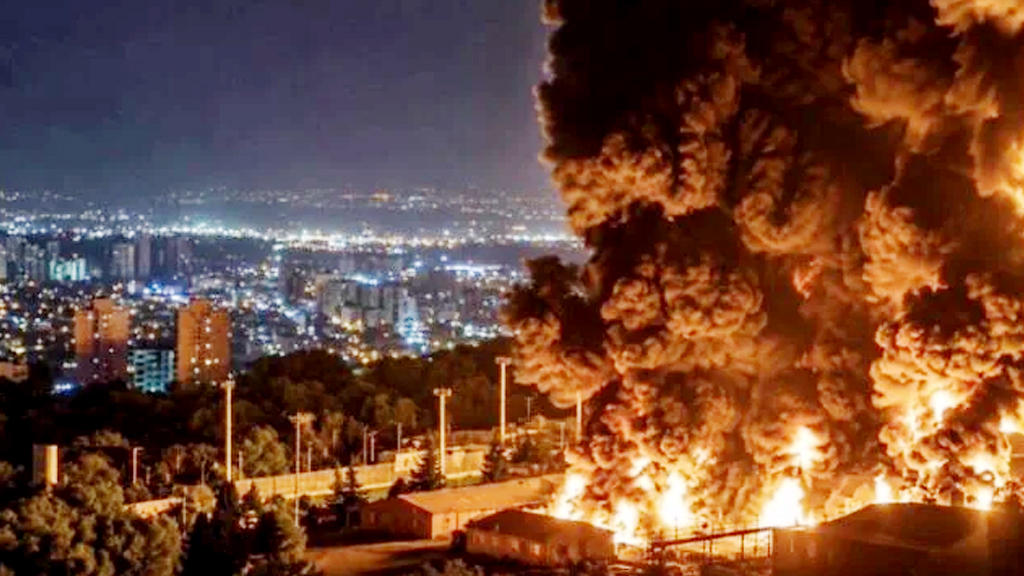
NASA satellite images showed thick black smoke over the Jazan refinery and a column of white smoke rising from an oil distribution centre in Abha. Saudi authorities confirmed that fires had broken out at the facilities.
Saudi authorities said women and children were among the 73 people injured. The high casualty figure suggests the operation was among the largest attacks on Saudi Arabia since the United States and Israel began their war against Iran in February.
The Houthi attacks in south-western Saudi Arabia could place further pressure on Middle East energy supplies. The escalation could disrupt regional energy flows beyond the blockaded Strait of Hormuz and deepen the war’s impact on the global economy.
Saudi Arabia has led an Arab coalition fighting the Houthis for more than a decade after the group ousted Yemen’s government from the capital. The conflict had eased in recent years, but the ceasefire there has collapsed.
The broader Gulf war has become a test of strength between the United States and Iran. Both sides hope that economic blockades imposed on the other will eventually force their opponent to yield.
Washington is seeking to increase oil supplies to global markets by helping ships transit the Strait of Hormuz, while also attempting to halt Iranian oil exports through sanctions. US Central Command said the tankers destroyed on Tuesday were part of a covert network that finances the IRGC and its regional allies.
Iran has long backed what it calls an “Axis of Resistance”, including Hamas, Lebanon’s Hezbollah, Shia militia groups in Iraq and Yemen’s Houthis.