Social Stigma Keeps Drug-Addicted Youth Out of Treatment as Bangladesh Faces Rising Addiction Crisis
Families in Bangladesh are often unwilling to acknowledge a child’s drug addiction and delay seeking treatment out of fear of social shame, allowing the dependency to deepen and destabilise entire households, according to officials, doctors and rehabilitation workers.
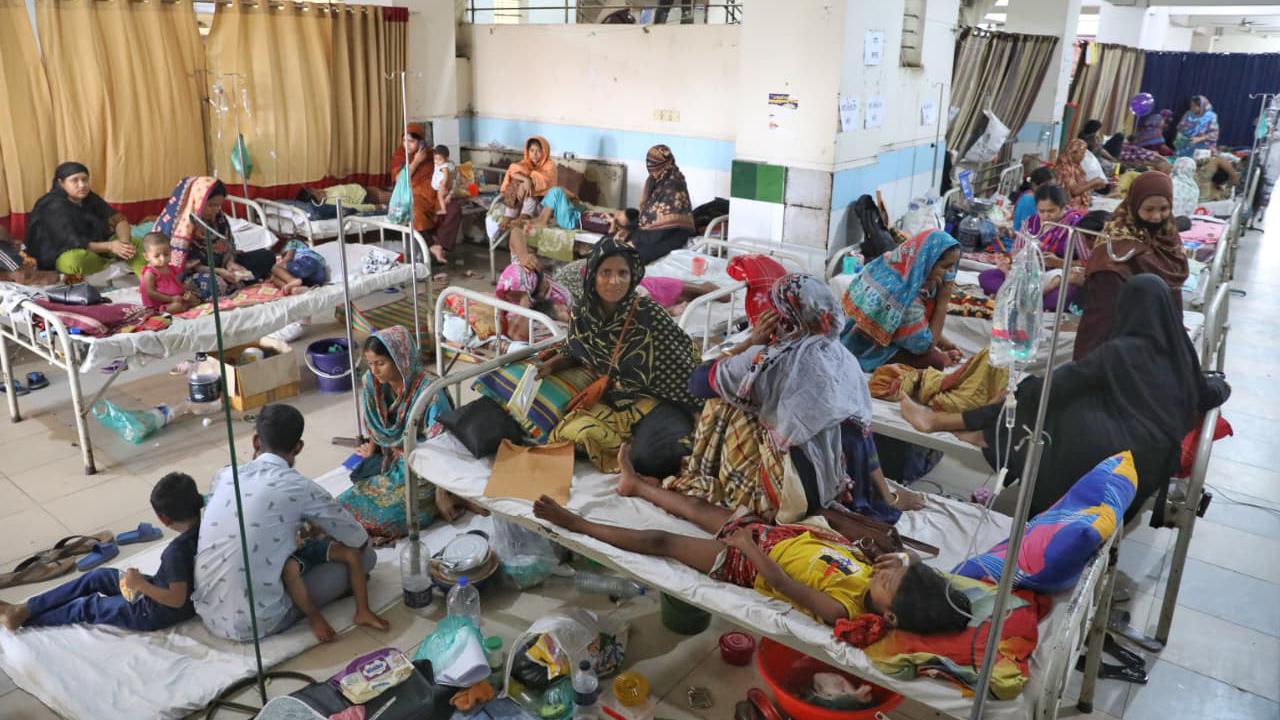
People working on treatment and rehabilitation for drug users said only 13 percent of users have ever received treatment or rehabilitation services. More than half have tried to quit, but most failed because they did not receive adequate support. Despite addiction being a treatable disease, many people remain outside the treatment system because of stigma and negative social attitudes, with some facing life-threatening risks.
Government officials do not deny the problem. Home Adviser Salahuddin Ahmed said last Thursday that a large number of young men and women in the country had become dependent on drugs. He said the government had taken various initiatives to bring them under treatment quickly.
Officials at the Ministry of Home Affairs and the Department of Narcotics Control said the number of people addicted to drugs in the country was alarming, but the number receiving treatment remained very low. Many middle-class and affluent families, in particular, do not want to admit that their children are addicted. Some understand the problem but delay treatment for fear of losing social standing.
According to a recent DNC survey, about 8.3 million people in Bangladesh are currently addicted to drugs, accounting for around 4.88 percent of the total population. Most are men, but addiction is also rising among women and children. Cannabis is the most commonly used drug, with about 6.1 million users. It is followed by yaba or methamphetamine, alcohol, codeine-based cough syrup, sleeping pills and heroin.
The survey said about 39,000 people use drugs by injection, putting them at risk of HIV, hepatitis and other infectious diseases. Unemployment, peer influence, financial insecurity, family instability and mental stress were identified as the main reasons behind drug use.
Atiqul Islam, a senior official at a state-owned bank in Dhaka, said he and his wife were both employed, and their elder son began skipping school and spending time with friends during their absence before eventually becoming addicted. He said they noticed the boy was returning home late and speaking incoherently. Later, they realised he was taking drugs. The family tried to persuade him but did not seek treatment or send him to rehabilitation because they feared public exposure.
Atiqul Islam said the situation had now deteriorated to the point where nothing could be kept safely at home because his son sold whatever he could find. He said the boy also threatened family members when confronted.
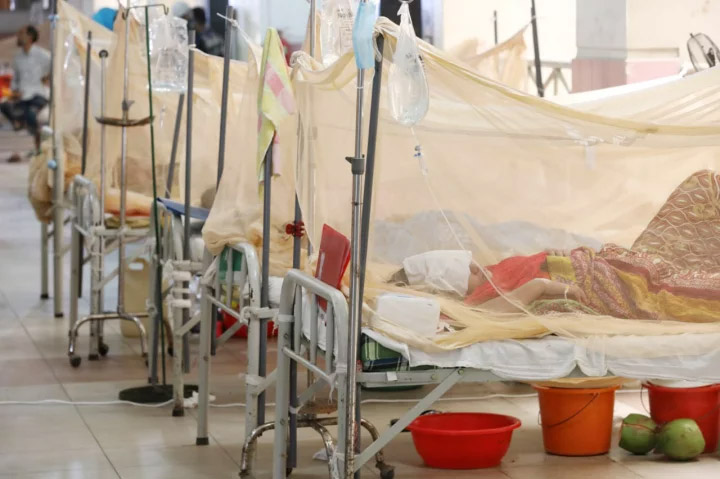
Tahmina Akter, nursing supervisor at a drug addiction treatment centre, told Ajker Patrika that most families wait far too long before deciding on treatment. She said many addicted people become so violent that families can no longer control them, and only come to treatment centres at the final stage when there is little left to do.
Dr Md Shahedul Islam, a physician at a private rehabilitation centre in Dhaka, told Ajker Patrika that most families initially refuse to believe their child could be addicted. He said they often continue trying to hide the matter even after the situation has moved beyond control. Society still does not widely view addiction as a disease, he said. Many parents try to send their sons abroad, arrange a quick marriage or involve them in business, believing that will solve the problem.
Professor Dr Muhammad Umar Faruk, chairman of the Department of Criminology and Police Science at Mawlana Bhashani Science and Technology University in Tangail, said families hide the issue because of fear of social stigma. He said society still treats having an addicted family member as a source of dishonour, and many families conceal the problem to avoid criticism from relatives and neighbours. That, however, does not solve the problem and instead makes it more complex, he said.
DNC officials working on treatment and rehabilitation said an addicted person disrupts not only their own life but also the normal life of the entire family. Delayed treatment pushes many deeper into addiction. Some develop serious mental health problems, while others display violent behaviour.
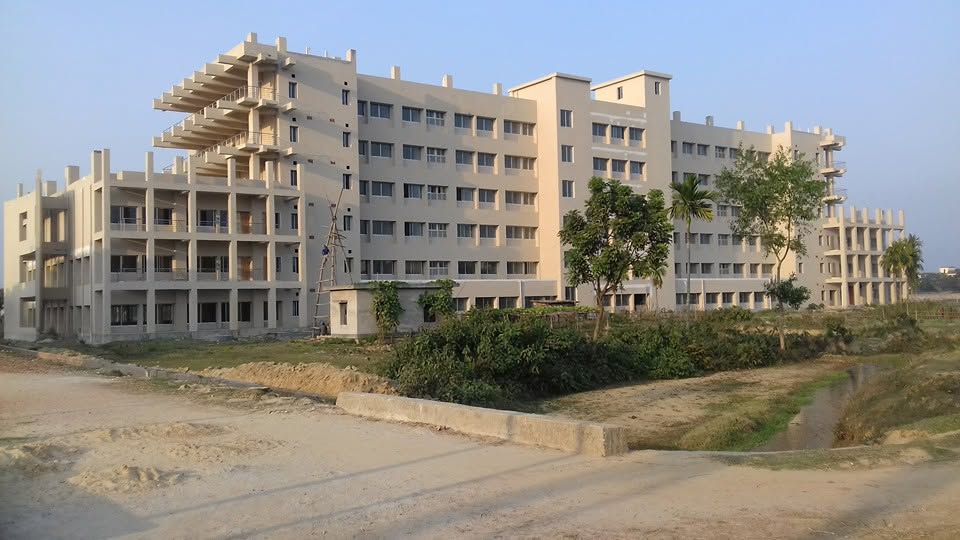
Last Friday, Salahuddin Ahmed said work had begun on building modern 200-bed drug addiction treatment and rehabilitation centres in Chattogram, Rajshahi, Khulna, Barishal, Rangpur, Sylhet and Mymensingh at a cost of Tk 14.13 billion. He said the centres would provide treatment as well as training to help recovering addicts return to mainstream society.
People concerned with the issue said new rehabilitation centres alone would not solve the problem. They said a change in social attitudes was needed, including breaking the taboo around addiction, identifying addicted people as patients and ensuring they receive treatment quickly.
Topics:
drugaddictiondrug rehabilitationsocial stigmaMinistry of Home AffairsDepartment of Narcotics Control