Higher Study in Australia: Door Still Open Amid Changing Rules
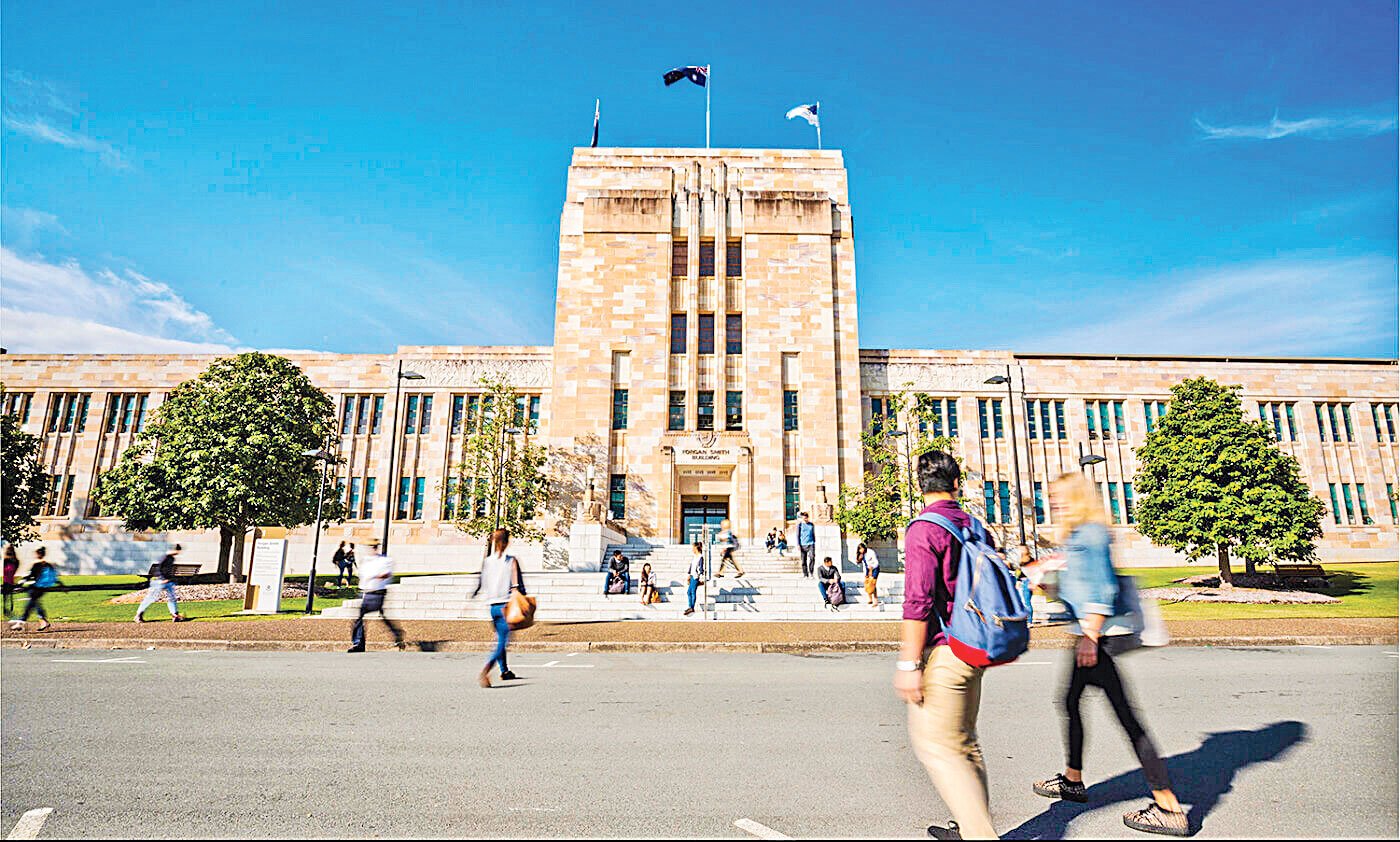
Every year, many Bangladeshi students look abroad for higher education. Some seek stronger academic opportunities or research exposure; others are thinking about international experience, career prospects and, where the law allows, a longer-term future abroad. The UK, other European countries, the United States and Canada are familiar choices. Australia has long been another major destination.
Official data reflect that interest. In the first five months of 2026, Bangladesh was among Australia’s five largest source countries for international students, accounting for about 4 per cent of the total. Australia also has 42 universities, alongside vocational and other education providers.
Recent headlines, however, have made many students and parents uneasy. Student visa costs have risen, migration policy is tightening and visa integrity is under closer scrutiny. Pauline Hanson’s One Nation has also proposed cutting more than 750,000 temporary visas over the first three years of a One Nation government.
So, is Australia still a realistic study destination?
Yes, but students need to understand what is actually changing and what it means for them.
What’s changing, and what isn’t?
A political proposal is not the same as current government policy. One Nation’s plan to cut more than 750,000 temporary visas is its own proposal, not a policy of the present Australian Government.
The current government is also seeking lower net overseas migration, but through a different set of measures. On 17 September 2026, it said net overseas migration had fallen to 292,000 and announced changes designed around Budget forecasts of 245,000 in 2026–27 and 225,000 in 2027–28. These include stronger compliance, action on visa hopping and restrictions on secondary applicants on most student visas. The changes will be rolled out progressively over the next 12 months.
At the same time, Australia continues to plan for international education. The National Planning Level for new overseas student commencements is 295,000 for 2027, the same as in 2026. It is linked to managed growth and visa-processing priorities, not a simple cap on total student visas.
Some changes already affect applicants directly. From 1 July 2026, the standard Student visa application charge rose from AUD 2,000 to AUD 2,500. The current financial-capacity benchmark for a single student is at least AUD 29,710 for 12 months of living costs, in addition to relevant tuition, travel and other costs.
Applicants also need to meet the Genuine Student requirement. Home Affairs considers why the applicant wants to study in Australia, why the course and provider make sense, and how the proposed study fits the applicant’s circumstances and future plans. A possible future pathway to permanent residence does not by itself make someone a non-genuine student, but study must remain the main purpose of the visa.
For applicants, this means checking the rules again when the time comes to apply.
Check before you trust
Friends, former students, social media groups and education agents can be useful. But a prospective university student should also be able to check important information independently.
- Start with one distinction: universities decide whether you meet their admission requirements; the Australian Department of Home Affairs decides Student visa requirements.
- For visa information, go first to: immi.homeaffairs.gov.au
- There you can check current visa requirements, financial evidence, conditions and relevant documents.
- After lodging an application, monitor your own ImmiAccount: online.immi.gov.au/lusc/login
- Home Affairs messages, requests for further documents and application updates can be checked there. Even if an agent assists you, know what is being submitted in your name.
- Once a visa has been granted and is in effect, check its details and conditions through VEVO: immi.homeaffairs.gov.au/visas/already-have-a-visa/check-visa-details-and-conditions/overview
- The sequence is simple: Home Affairs for visa rules, ImmiAccount for an application, and VEVO for an active visa.
- Staying involved also matters because Home Affairs requires genuine, verifiable and unaltered documents and information. Bogus documents or false or misleading information can lead to refusal or cancellation, restrictions on future applications and possible legal action. Using an agent does not remove the applicant’s responsibility.
- For courses and universities, first check the Australian Government’s CRICOS register: cricos.education.gov.au
This confirms whether an institution and course are registered for international students. Then go to the university’s own website for entry requirements, tuition fees, English-language requirements, deadlines and scholarships.
For a research master’s or PhD, search the university or school website using keywords from your proposed research area. Read potential supervisors’ profiles and recent publications. If there is a genuine match, follow the university’s procedure for contacting them. If needed, contact the graduate research or international admissions office directly.
When you find information, check where it came from before acting on it.
Work can help, but is it enough?
Student visa holders can generally work up to 48 hours per fortnight while their course is in session and unlimited hours during scheduled course breaks. Students enrolled in a master’s degree by research or a doctoral degree are not subject to the 48-hour limit once their course has started.
International students also have workplace protections. From 1 July 2026, the National Minimum Wage is AUD 26.44 per hour for adult employees not covered by an award or enterprise agreement. Many workers are covered by industry awards or agreements with their own minimum rates and conditions.
Employment can help with expenses, but it should sit within a realistic financial plan. A part-time job is not guaranteed, available hours may vary and living costs can be high. Students should not assume future work will cover tuition and living costs.
Still worth considering? For many, yes
The better question is whether Australia fits your academic profile, finances and longer-term plans.
Start with your academic record, English readiness, relevant research or professional experience and financial capacity. Choose a course that connects sensibly with what you have already studied and what you hope to do next. Compare tuition fees, scholarships and living costs. Research students should also consider supervisor fit and funding.
Do not rely on today’s information for an application you may lodge a year from now. Visa rules, fees and university requirements can change. Check Home Affairs, CRICOS and the university website again when you are ready to apply.
Australia has not closed its doors to international students. But the route is becoming more expensive, more closely checked and more dependent on careful preparation. That is not a reason to give up a serious plan. It is a reason to plan with better information.
There is still room to plan for Australia, but that plan needs to be based on current rules, real costs and a clear study purpose. A good study-abroad decision starts before the visa application, with reliable information and a clear reason for choosing the course, the university and the country.
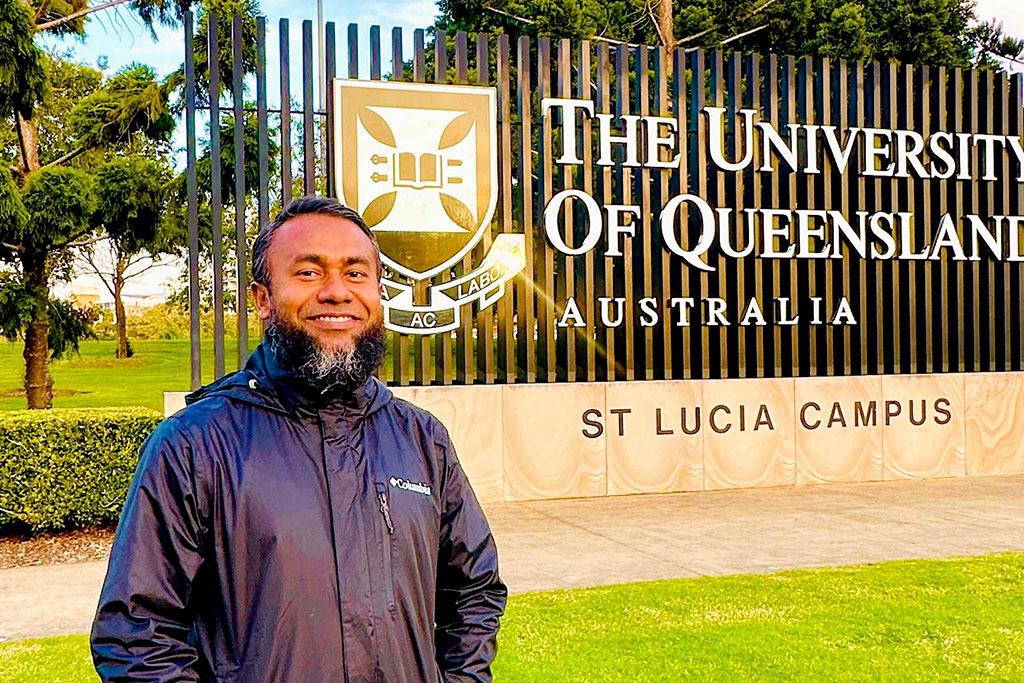
Writer: PhD Researcher and Casual Academic, The University of Queensland, Australia