Study Abroad: What You Need to Build Before You Apply

For many Bangladeshi students, the study-abroad process seems to start with IELTS, a university shortlist and an application deadline. In practice, those are later steps. By the time an application portal opens, much of what a university will eventually assess is already there: your academic record, the skills you have developed, the experiences you have chosen and how clearly you understand what you want to do next.
That is why preparing for higher study abroad should not begin with the form itself. The application form only presents what you have already built.
Start with a reason
Before thinking seriously about countries, rankings or deadlines, it helps to ask a simpler question: why do you want another degree?
For some students, the answer is academic. They want deeper knowledge in a subject or hope to move towards research. Others may be looking for professional training, a change of field or better career opportunities. None of these reasons is automatically better than another. What matters is having enough clarity to make sensible choices.
That clarity can develop over time. A first-year undergraduate does not need a fixed ten-year plan. But some sense of direction helps you judge whether a degree is useful for you, rather than choosing it simply because the university is famous or because someone else followed the same route.
A strong profile is not a long CV
One common mistake is to think that preparation means collecting as many certificates as possible. Certificates can be useful when they reflect genuine learning, but quantity alone says very little.
Ten unrelated workshops do not necessarily strengthen an application more than one meaningful research project, a relevant internship, sustained volunteering or serious engagement with a field. If you hope to move into research, learning how to read journal articles, write academically, understand basic research methods or contribute to a project may be more useful than attending another generic webinar. If your goal is professional, relevant work experience may matter more.
A better question is not: ‘How many things can I add to my CV?’ but, ‘What should I learn or do now that will actually help me in the field I want to enter?’
Prepare for university, not only for English test
For many Bangladeshi applicants, IELTS or another English language test becomes the most visible part of preparation. It matters, of course, because universities often require a particular score. But meeting a language requirement is not the same as being ready for university study.
A student may later need to read difficult academic texts every week, write analytical assignments, use evidence carefully, speak in seminars, give presentations and respond to detailed feedback. Research students will face additional demands in academic writing and research work.
These abilities take time to develop. Students can begin long before they apply by reading beyond course textbooks, writing regularly, paying attention to feedback, attending academic talks and noticing how good research is communicated. Much of this preparation costs little or nothing.
Know where your information comes from
Study-abroad advice is everywhere. Facebook groups, YouTube channels and former applicants can be genuinely helpful, especially when they explain unfamiliar processes in practical language. The problem begins when one person’s experience is treated as current policy.
Admission rules, scholarship conditions, language requirements and visa procedures can change. What worked for one applicant may not apply to another programme or another year. Before making an important decision, go back to the source: check the university website, read the official scholarship conditions and use the relevant government page for visa information. Advice from others can guide your search, but the final decision should rest on verified information.
Your starting point matters
Students in Bangladesh do not all begin from the same position. Someone at a prominant university in Dhaka may have access to seminars, research networks and people who have already studied abroad. A student in a district town may have fewer opportunities nearby. Some have strong family support; others need to think carefully about every application cost. Some have used English throughout their education, while others need more time to build confidence.
These differences matter because, copying another person’s preparation plan rarely works perfectly. The useful question is: where am I starting, and what needs attention next? For one student, the priority may be academic results. For another, it may be English, research exposure, work experience or financial planning. Someone else may first need time to work out which field they genuinely want to pursue.
So, when should you start?
There is no single date. If you are early in your undergraduate degree, you do not need to prepare as if an application is due next month. Learn your subject well and build useful habits. If graduation is approaching, your planning can become more specific. If you are considering a master’s or PhD, you may need to look more closely at programme requirements, research interests and funding.
The aim is not to do everything at once. It is to begin the right preparation for the stage you are in.
A study-abroad application may eventually be submitted through an online portal, but the substance of that application is built elsewhere: in classrooms, projects, reading, work, conversations, mistakes and gradual improvement. When the time comes to apply, the form should not be where the journey begins. It should be where your preparation becomes visible.
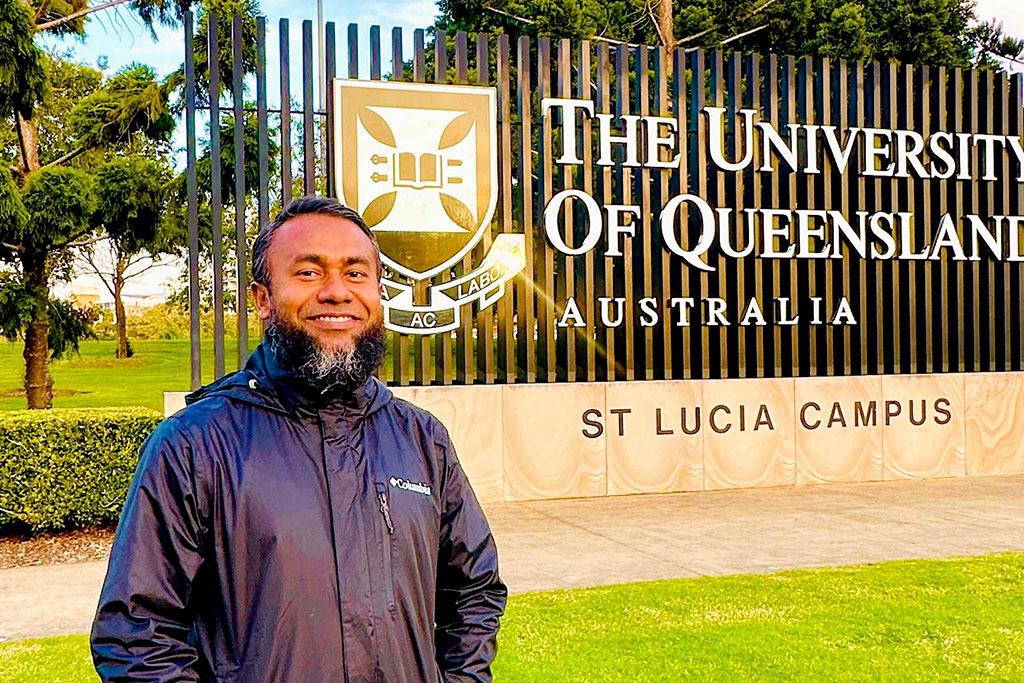
Writer: PhD Researcher and Casual Academic, The University of Queensland, Australia