
BD plans to recruit over 100,000 teachers, Says Education Minister
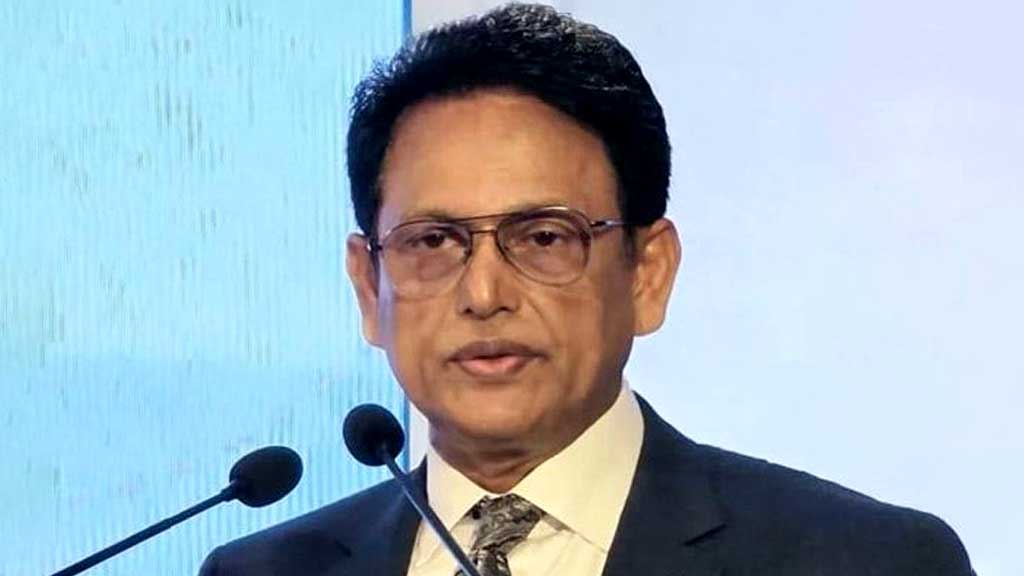
Bangladesh plans to recruit more than 100,000 new teachers, including 32,500 head teachers for government primary schools and about 70,000 teachers and lecturers for MPO-listed private educational institutions, Education and Primary and Mass Education Minister A N M Ehsanul Haque Milon said on Thursday at an event in Dhaka.
Milon announced the plan at Hotel InterContinental in the capital on 2 July.
The minister said the Appellate Division had delivered its verdict on the recruitment of 32,500 primary school head teachers. “The Appellate Division has accepted our appeal and we can now appoint 32,500 head teachers,” he said.
Milon added, “Along with this, around 70,000 more people (MPO-listed teachers-lecturers) may be included. This is big news for us.”
The Non-Government Teachers’ Registration and Certification Authority, or NTRCA, is preparing to begin recruitment under a new system for nearly 78,000 vacant posts in MPO-listed schools, colleges, madrasas and technical education institutions. Under the process, assistant teachers, lecturers and trade instructors will be recruited through direct written and oral examinations.
Until now, candidates who passed the registration examination applied against vacant posts and were then recommended for appointment. Under the new method, candidates will sit the teacher registration examination and be directly recommended for vacant posts.
Milon also said there had been a change in the practice of ministers visiting public examination centres and disturbing candidates. “The HSC examination began this morning. We were supposed to inspect examination centres, but perhaps our colleagues think there is no need for us to go there. That is why everyone is sitting in this room, but it did not happen like this before. A big change has come,” he said.
Highlighting dropout rates, the minister said 544,000 students had enrolled at the higher secondary level but were not sitting the examinations. “Around 33 percent of students in the general stream are dropping out. They are not taking part in the HSC examination,” he said.
Milon said dropout rates stood at 54 percent in technical education and 44 percent in madrasa education. “When we talk about the country’s education system, this is not good news for us,” he said.
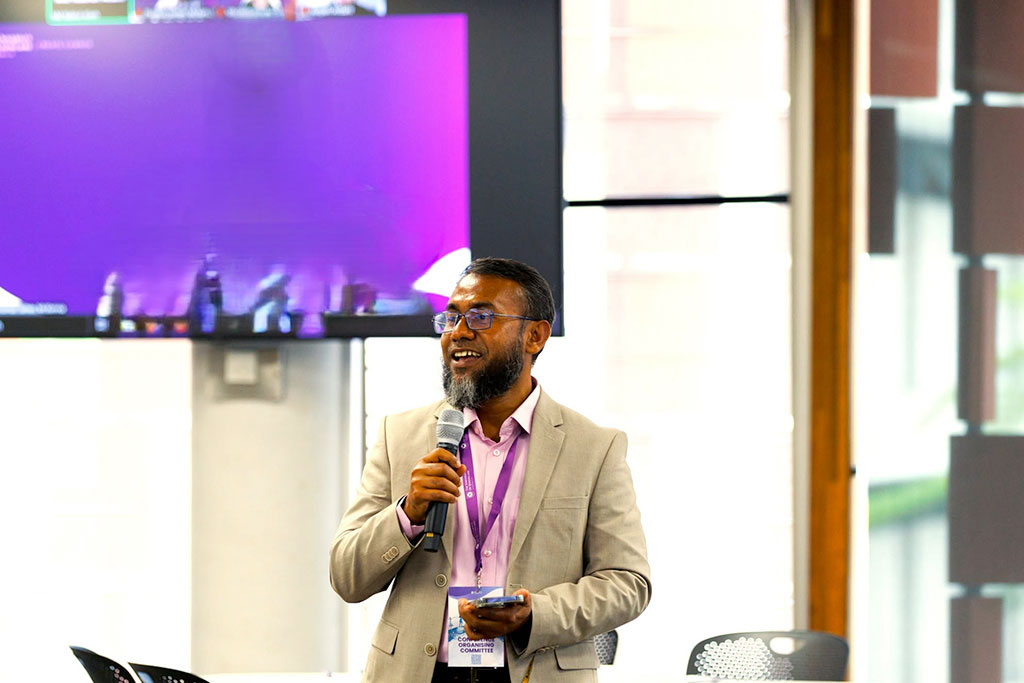
The minister was speaking at a UNESCO-organised event titled “Global Partnership Education System Transformation Grant and Multiplier Grant for Bangladesh”.
Among others speaking at the event were the Prime Minister’s Education Adviser Mahdi Amin, State Minister for Primary and Mass Education Bobby Hajjaj, Secondary and Higher Education Division Secretary Abdul Khaleque, and others.
Milon warned that waste in education-sector allocations would not be tolerated. “I served as a state minister in 2001 and had experience with all these projects. The previous government took a lot of loans and grants but did not use them properly,” he said.
The minister said there were strict instructions from the Prime Minister that no waste or mismanagement would be tolerated in his division. He said spending had to be controlled by ensuring that every penny was used properly and that the ministry had to be cautious about how education funds were invested.
Stressing the need for quality education, Milon said, “Perhaps we have fallen behind in quality education. I believe the government should work as a facilitating institution. It will be run through educational institutions, teachers and students. But we are working here as facilitators so that they can continue educational activities.”
Milon also said, “The Prime Minister has allocated 2 percent of GDP to the education sector this year, and this is a large amount of money. He has also promised to increase it to 5 percent of GDP. In this regard, teachers’ qualifications and training are the most important. I hope we will invest this money properly.”
Referring to the state of the education sector, the minister said, “From my experience from 2001 to 2006 and after returning to this office now, it feels as if I am driving in reverse while looking in the rear-view mirror. Where we left the education system during 2001-2006, I returned to this ministry and found myself far behind that point.”
He added, “The case resolved by the Appellate Division was filed in 2017. We had to wait many years for its resolution. I do not know why the government was not serious about resolving these cases.”