ADB Trims Bangladesh GDP Growth Forecast to 4% Amid Inflation Concerns
The Asian Development Bank (ADB) has lowered Bangladesh’s GDP growth forecast for the current fiscal year, FY2026-27, to 4% from its earlier projection of 4.5%, citing a prolonged banking-sector crisis, infrastructure bottlenecks and severe energy shortages.
The Manila-based international lender released the revised forecast in its latest update to the flagship Asian Development Outlook (ADO), published on Wednesday.
The ADB said high non-performing loans, weak bank balance sheets, high lending rates and banks’ preference for investing in government securities rather than taking risks had restricted private-sector access to credit, slowing economic expansion.
“Bangladesh’s growth forecast has had to be revised because of trade-related headwinds across South Asia, volatility in energy imports and weather-related natural disasters,” the ADB review said.
Irregular energy supplies, logistics constraints and lengthy administrative approval processes have stalled new investment, the report said. These conditions have also weakened the economy’s ability to benefit from monetary easing or fiscal incentives.
Industrial-sector growth is projected to slow significantly to 3.3%, driven by a lack of uninterrupted energy supply, higher production costs, weaker demand in international markets and broader business uncertainty.
The agricultural sector could also face challenges because of adverse weather conditions and limited fertiliser supplies, according to the ADB.
The services sector, however, may maintain some positive momentum, with growth forecast at 4.7%, supported by strong remittance inflows and domestic economic activity.
The ADB also warned of increased pressure on consumers, forecasting that average inflation in FY2026-27 could rise to 9%, compared with 8.7% in the previous fiscal year. Its July update had projected inflation at 8.8%.
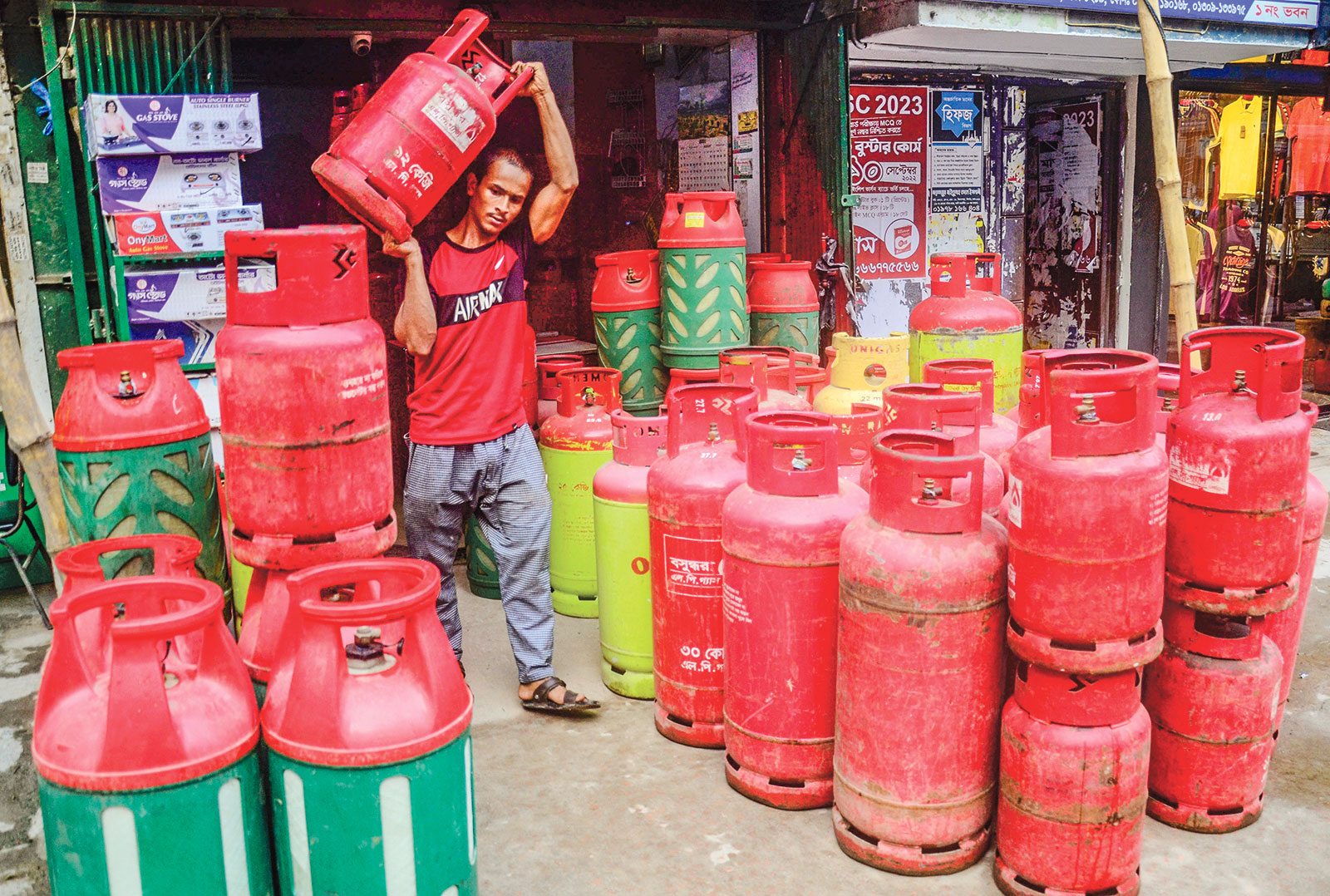
The lender attributed the higher inflation outlook to the delayed effects of a strong El Niño weather pattern, acute energy shortages, high transport costs, disruptions to global maritime cargo routes and rising import expenses.
Recent increases in local prices of diesel, octane and petrol have already raised fares for public transport and freight vehicles. Higher fuel and transport costs are directly affecting agricultural production and food supply chains, adding pressure to overall prices, the report said.
Slower economic activity and weak credit flows may partly contain demand-driven inflationary pressure, the ADB said.
Private consumption will remain the main driver of demand, supported significantly by remittances, although high inflation will reduce households’ purchasing power.
Private investment is expected to remain subdued due to high interest rates, energy shortages and weak business confidence. The positive impact of public investment will also be limited by delays in implementing the Annual Development Programme (ADP) and revenue shortfalls.
Export earnings may recover slowly because of current global market conditions, while overall import costs are expected to rise as demand increases for energy and industrial raw materials.