July-June will no longer be the fiscal year
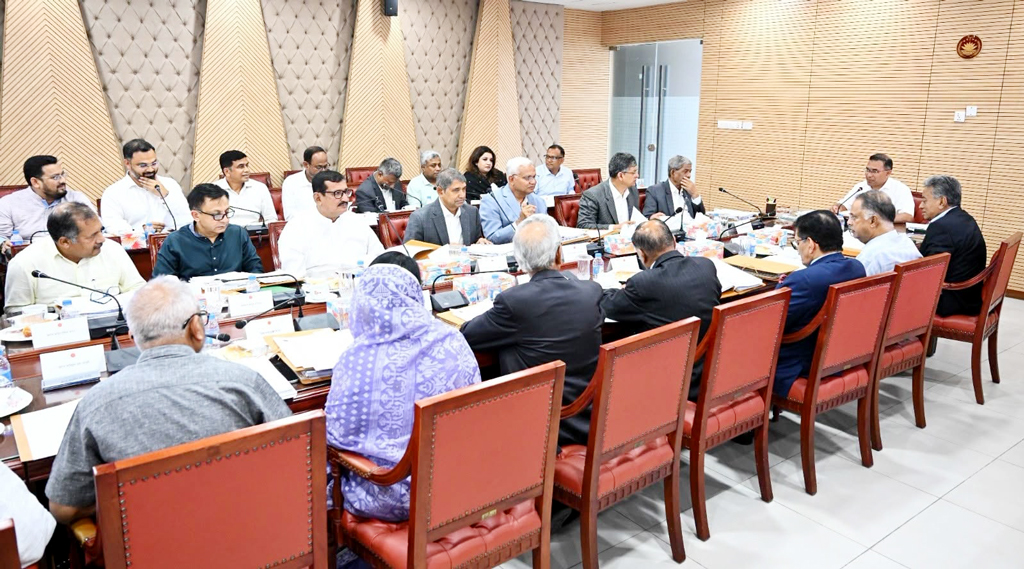
Bangladesh will adopt April-March as its new fiscal year from 2028-29, while the 2027-28 fiscal year will be shortened to nine months, ending in March, after the Cabinet approved a Finance Division proposal at a meeting on Monday at the Secretariat in Dhaka.
The meeting was chaired by Prime Minister Tarique Rahman.
A Cabinet Division press release issued at night said Bangladesh currently counts its fiscal year from 1 July to 30 June.
The press release said infrastructure development work continues during July and August, the monsoon season, under the existing fiscal calendar. As a result, rain prolongs projects, affects the quality of work and causes widespread public suffering, it said.
The press release said using April-March as the fiscal year would make it possible to complete infrastructure development work before the monsoon. For that reason, setting the fiscal year from 1 April to 31 March was considered reasonable.
The press release said a committee comprising the Cabinet Division, Bangladesh Bank, the National Board of Revenue, the Legislative Division, the Finance Division and other relevant stakeholders will determine the next course of action.

Necessary amendments will have to be made to the Constitution of Bangladesh and the General Clauses Act, 1897, according to the press release. Technical changes will also be required in various systems linked to the government’s financial management to implement the change in the fiscal year.
The Cabinet decided to treat the 2027-28 fiscal year as a transitional fiscal year, ending it after nine months from July to March, and then begin all government activities under the new April-March fiscal year from 2028-29, the press release said.