
Japan plans $6.35 billion Private-Sector Investment in Bangladesh

Japan is planning to arrange investment worth 1 trillion yen, or about $6.35 billion, in Bangladesh’s private sector over the next five years, Nikkei Asia has reported. A formal understanding between the two countries could be reached this month.
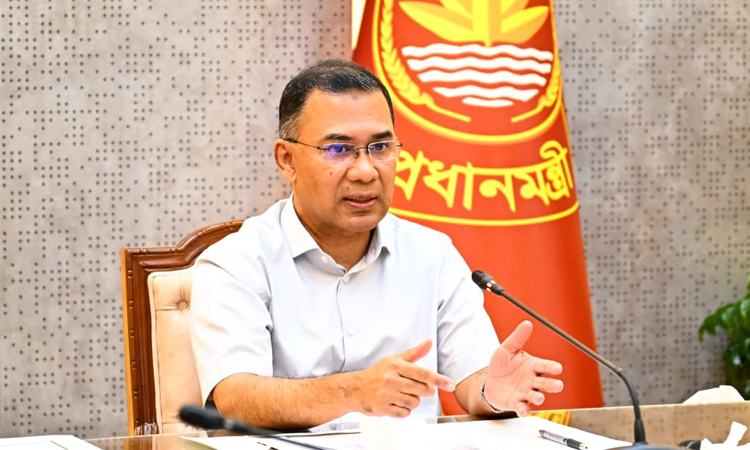
Prime Minister Tarique Rahman is scheduled to visit Japan on October 26, when Japanese Prime Minister Sanae Takaichi is expected to hold a summit meeting with him. The investment initiative is expected to be included in a joint statement issued after the meeting.
Nikkei Asia reported that expanding economic cooperation between the two countries and reducing China’s influence in Bangladesh are among the objectives of the initiative. China is currently Bangladesh’s largest source of imports.

Bangladesh has sought to expand cooperation with Japan in infrastructure development and other sectors since Sheikh Hasina resigned as prime minister in 2024.
A major share of the proposed Japanese investment could go towards automobiles, other manufacturing industries and energy infrastructure construction. Japanese companies have expressed interest in investing in Bangladesh, including in the Bangladesh Special Economic Zone (BSEZ).
Several Japanese businesses, including Sumitomo Corporation, are already involved with the economic zone.
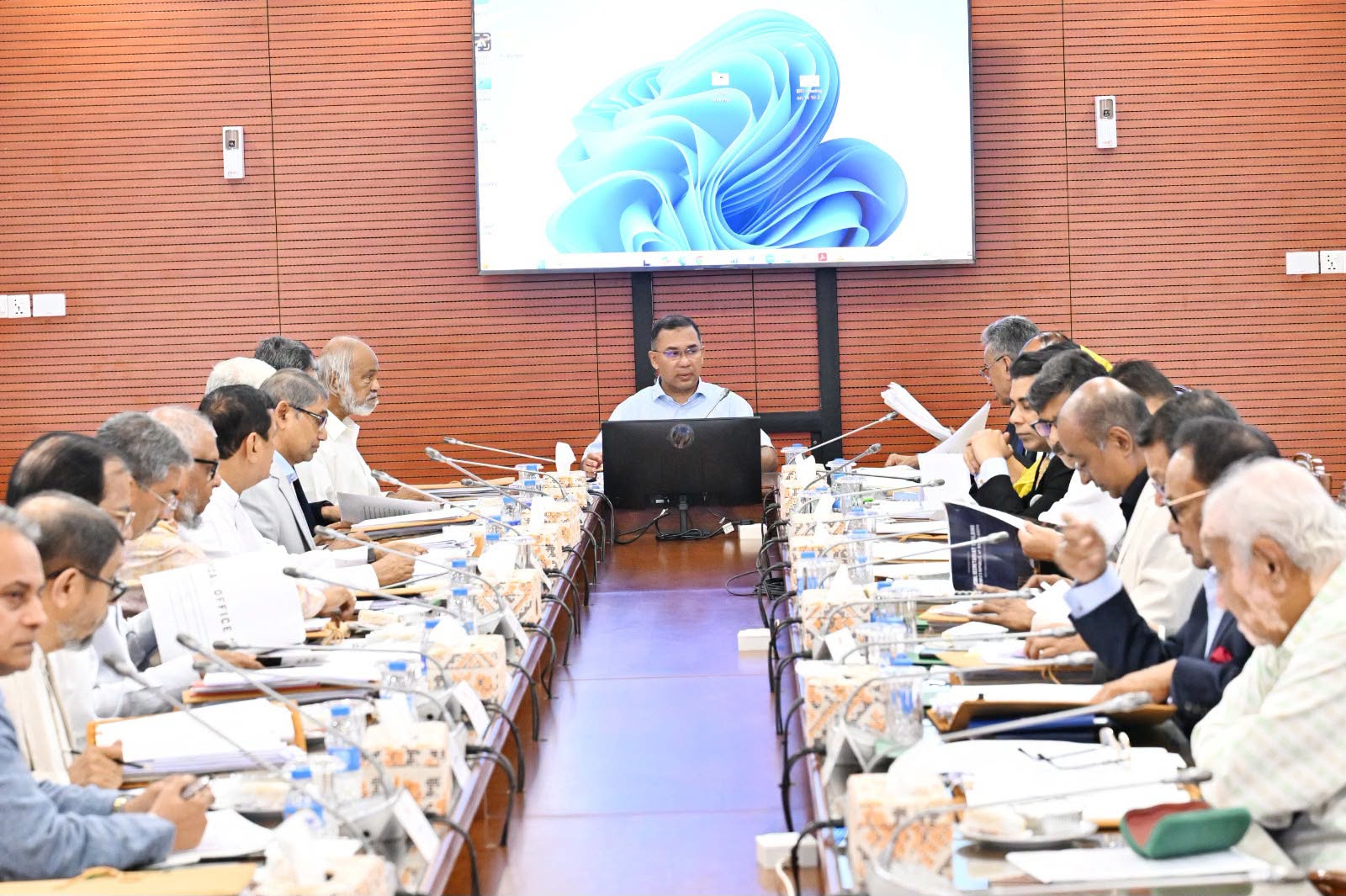
A business delegation from Japanese companies may also visit Bangladesh soon. Plans are also underway to organise a dialogue on the economy and investment involving public- and private-sector representatives from both countries.
Bangladesh and Japan signed an Economic Partnership Agreement (EPA) in February this year. Japan considers Bangladesh attractive because of its comparatively low labour costs and favourable environment for manufacturing.
Bangladesh, with a population of about 170 million, is the world’s eighth-most populous country, according to the Nikkei Asia report. Its large young population also makes it an important consumer market.
Japan has long provided development assistance to Bangladesh and is now showing greater interest in becoming more active in direct private-sector investment alongside such assistance.