
Sheikh Hasina’s Return to Bangladesh Would Be Discussed With India: Info Adviser
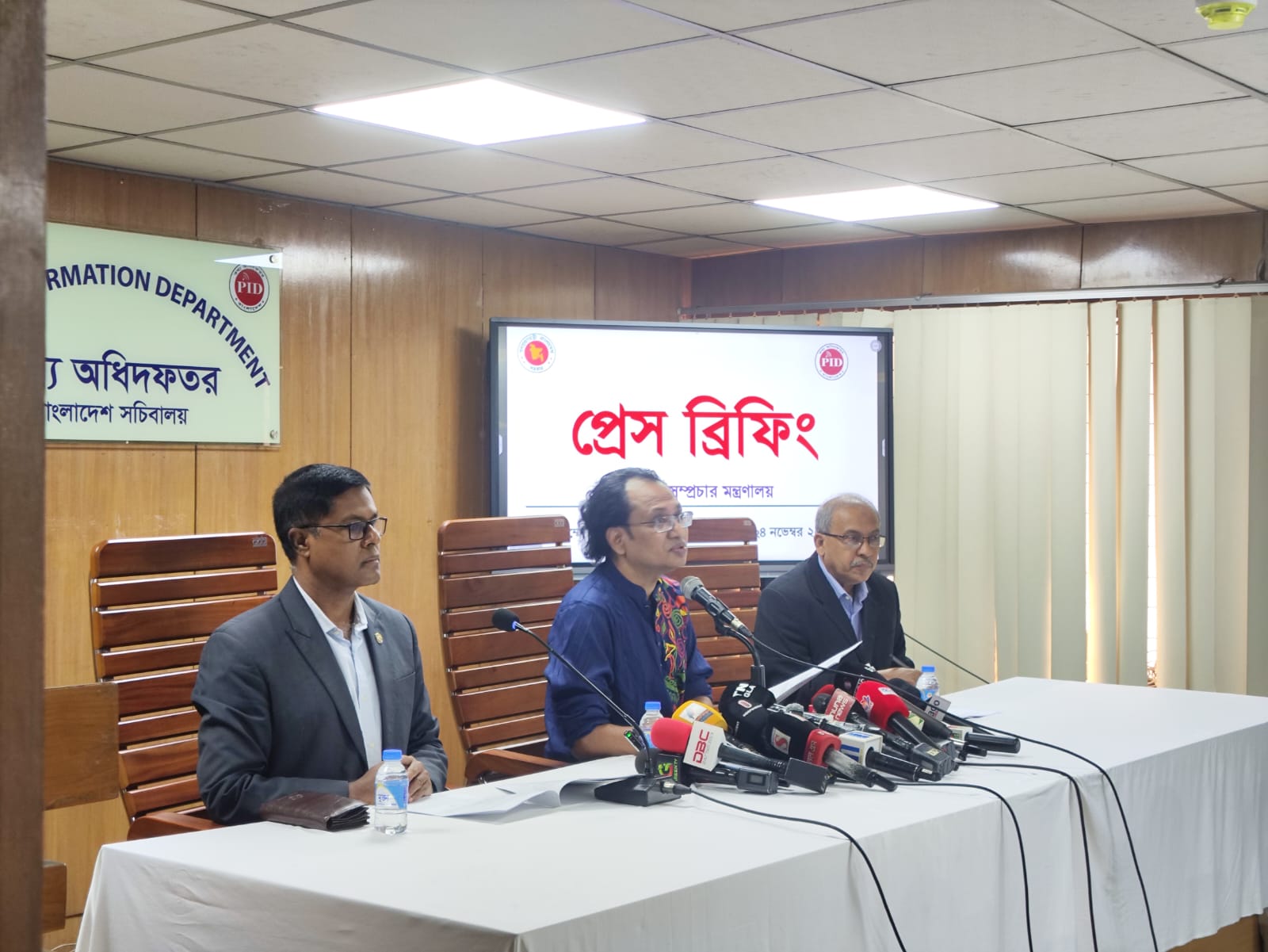
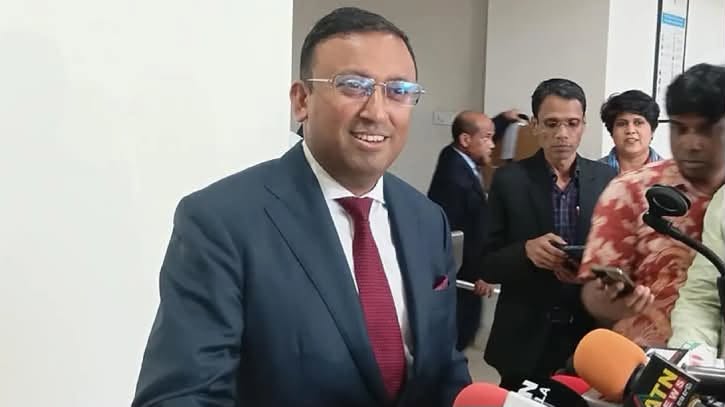
Bangladesh’s information and broadcasting adviser, Dr Zahed Ur Rahman, said on Tuesday that any discussion over whether ousted former prime minister Sheikh Hasina returns to Bangladesh by air or on foot would be held with India, rather than with Hasina herself.
Responding to reporters’ questions at a press briefing at the Secretariat, Rahman said there had been no discussions with Hasina regarding her possible return to Bangladesh.
“If Sheikh Hasina wants to come to Bangladesh, we have no discussion with Sheikh Hasina on that matter,” Rahman said. “I am again saying that we want to confirm this: whether Hasina will come to Bangladesh or not—this discussion is not with Hasina. This discussion is between us and India.”
Describing Hasina as a convicted criminal, Rahman said, “Sheikh Hasina is a serious and heinous criminal, and she is there [in India] with her associates. She is not merely accused; she has been convicted. The judicial process against her has been completed, she has been found guilty and punished. This is not a preliminary allegation against her.”
“Therefore, whether Sheikh Hasina comes or does not come, whether she comes to Bangladesh on our aircraft or on their aircraft, or whether she walks into Bangladesh—how she will be handed over will be discussed with India,” he added.
Rahman described Hasina’s remarks about returning to her country as “political ambiguity”.
“Sheikh Hasina is trying to show that she is still significant and that many things are happening because of her decisions,” Rahman said. “As we have said before, it is a bluff to the political people. She wants to project this to her party and its members.”
Asked about objectionable remarks by Awami League leaders staying in India and Bangladesh’s response, Rahman said he did not know whether Bangladesh had officially lodged a protest.
“Indian media may be independent in one sense, but when people in government make such remarks, it has also come to our notice,” he said. “We expect that they will refrain from making such statements from their position.”
Rahman said Bangladesh and India had no alternative but to engage positively, stressing the importance of relations between the two neighbouring countries.
“We were often told that friends can be changed, but neighbours cannot,” he said. “That is true from their side as well. Just as we cannot change them, they cannot change us. Therefore, there is no alternative to positive engagement between our two countries. Such comments create the possibility of putting pressure on the relationship.”