US launches strikes on 80+ Iranian targets near Strait of Hormuz amid funeral
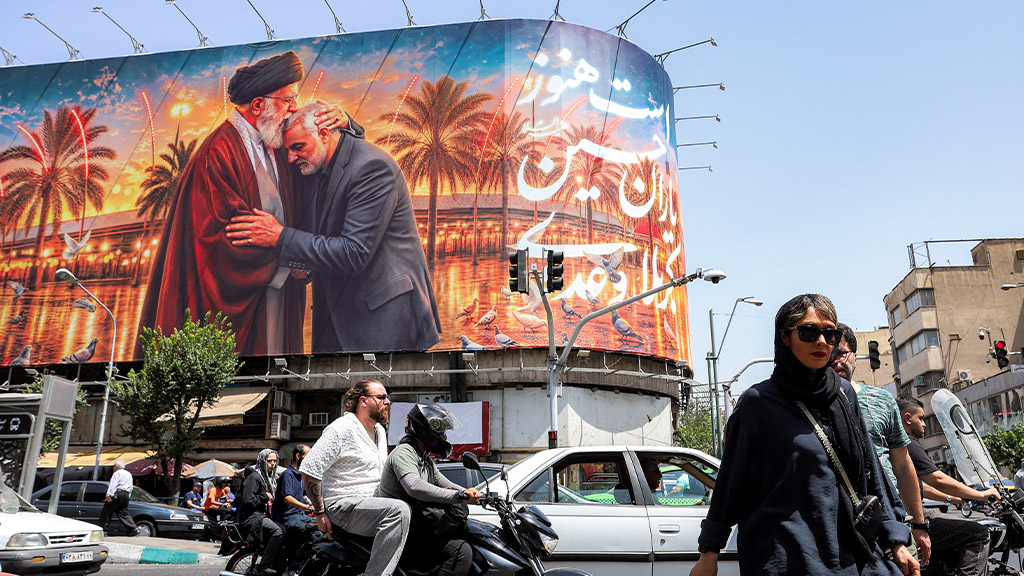
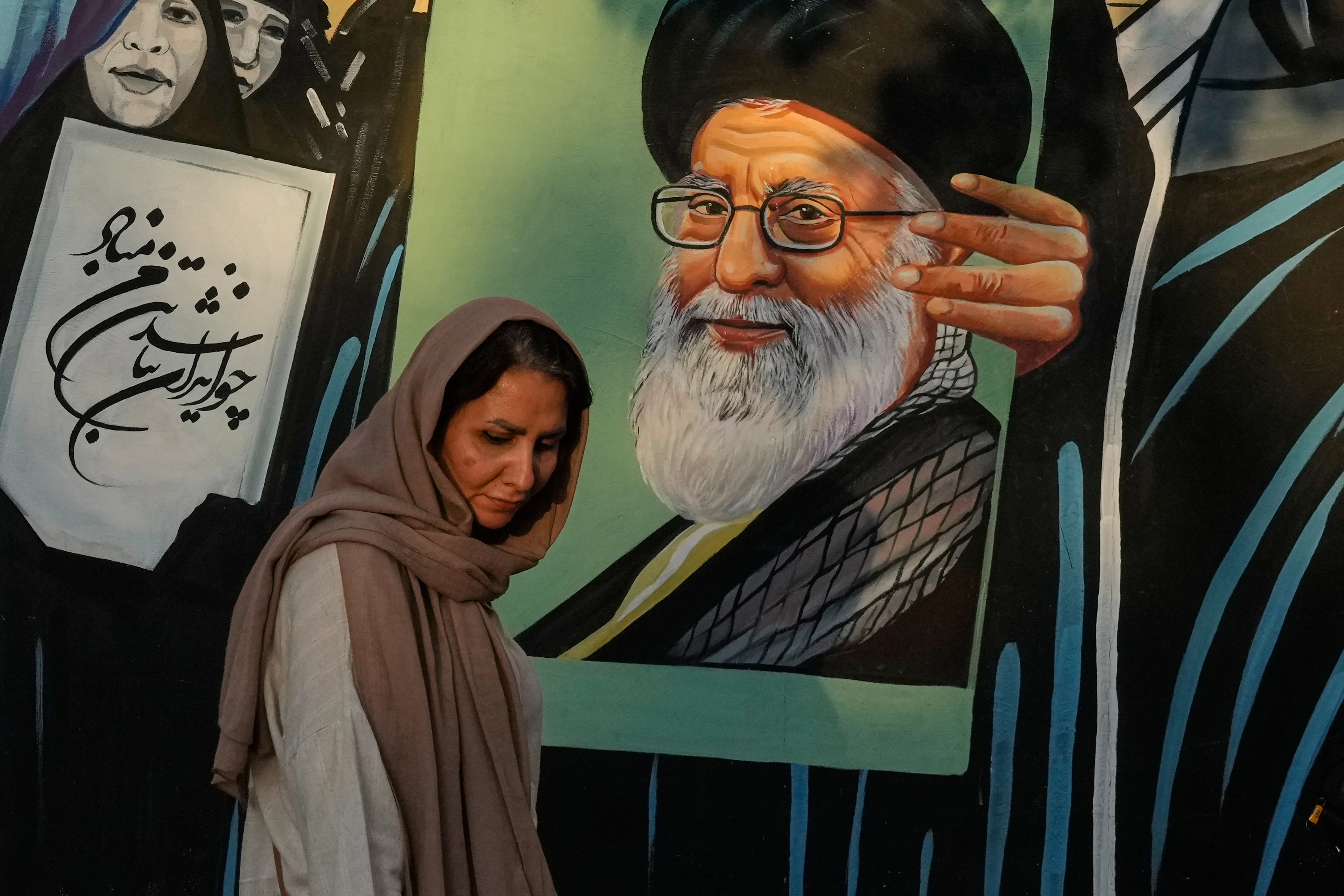
The United States has launched a massive wave of offensive airstrikes against Iranian military targets near the strategic Strait of Hormuz, officials said on Wednesday, significantly escalating tensions as millions of Iranians gather for the multi-day funeral of former Supreme Leader Ali Khamenei.
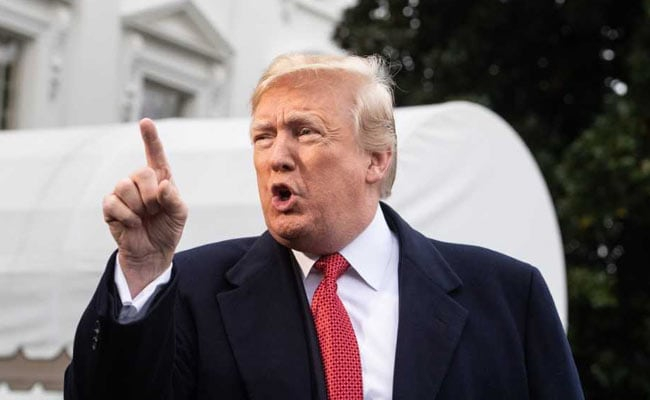
The operation, which targeted more than 80 positions with precision munitions, was ordered by U.S. President Donald Trump from the NATO summit in Turkey. The strikes were described by officials as ‘four or five times bigger in scope and power’ than retaliatory actions conducted ten days ago, marking the most intense U.S. bombardment since an April ceasefire.
U.S. Central Command (CENTCOM) confirmed the completion of the strikes, stating they targeted Iranian air defense systems, command and control networks, coastal radars, anti-ship missile sites, and more than 60 Islamic Revolutionary Guard Corps (IRGC) small boats.
‘This response is a direct result of the acts of international terrorism that have been perpetrated by Iran on innocent ships transiting the Strait of Hormuz,’ a U.S. official told Axios. ‘The Iranians know the consequences to their ridiculous actions.’
Iranian state media reported multiple explosions across southern port facilities and islands, including 10 blasts in Bandar Abbas, up to nine in Sirik, and at least six on Qeshm Island.
SANCTIONS REINSTATED AS MOU FRAGMENTS
In tandem with the military action, Washington revoked a temporary sanctions waiver on Iranian oil, crippling Tehran’s primary economic lifeline. The moves threaten to dismantle a fragile memorandum of understanding (MoU) signed between the two nations less than three weeks ago to negotiate an end to the broader Middle East war.
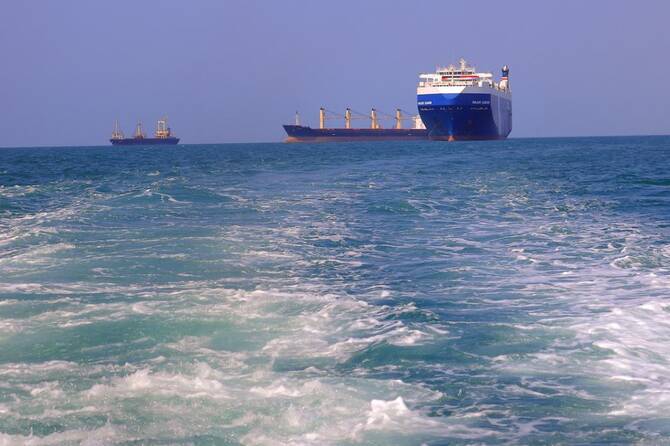
The U.S. administration stated the escalation was a direct punishment after three commercial tankers—including a liquefied natural gas carrier—were attacked in the crucial trade corridor.
According to the United Kingdom Maritime Trade Operations (UKMTO), the vessels were struck off the coasts of Oman and the United Arab Emirates, routes outside of Iran's unilaterally designated safe channels. While one tanker caught fire, the others sustained minor damage with no reported casualties.
Tehran called the allegations ‘questionable,’ though Iranian state television noted that one tanker was targeted after ignoring maritime warnings.
TEHRAN VOWS 'CRUSHING RESPONSE'
Iran’s military and diplomatic leadership fiercely condemned the operation, labeling it a ‘blatant act of aggression.’
‘Our armed forces will deliver a crushing response to the U.S. actions,’ the Khatam-al-Anbiya Central Headquarters said in a statement, reaffirming that Iran would tolerate no outside interference in the Strait of Hormuz.
Mohammad Bagher Ghalibaf, Iran’s parliament speaker and chief nuclear negotiator, declared on social media platform X that the U.S. had committed ‘major MOU violations.’ Listing the strikes, oil sanctions, and continued Israeli operations in Lebanon, Ghalibaf stated, ‘The era of bullying and extortion is over... We don't fold.’
Iran’s Foreign Ministry echoed the sentiment, holding the U.S. government fully responsible for the consequences of breaching its commitments.
PRESIDENT RUSHES HOME MID-FUNERAL
The U.S. strikes triggered immediate political disruptions in Iran. President Masoud Pezeshkian abruptly cut short his visit to Najaf, Iraq—where he was attending funeral rites for Khamenei and scheduled to meet Iraqi officials—to rush back to Tehran.
The escalation coincides with the highly sensitive final stages of the mega-funeral for Khamenei, who was killed alongside three family members in a joint U.S.-Israeli airstrike on February 28. The late leader's coffin was transported through Najaf and Karbala in Iraq on Wednesday before its scheduled burial in the Iranian holy city of Mashhad on July 9.
Adding to the domestic uncertainty, Iran's newly appointed Supreme Leader, Ayatollah Mojtaba Khamenei, has yet to appear at any public funeral processions since they began on Saturday. The son of the late leader is widely believed to be in hiding while recovering from wounds sustained in the February airstrike that killed his father.
Diplomatic talks between Washington and Tehran are reportedly frozen and unlikely to resume until the formal burial ceremonies conclude.