
Mecca Coalition Activates Against Houthis, Troop Deployment Imminent
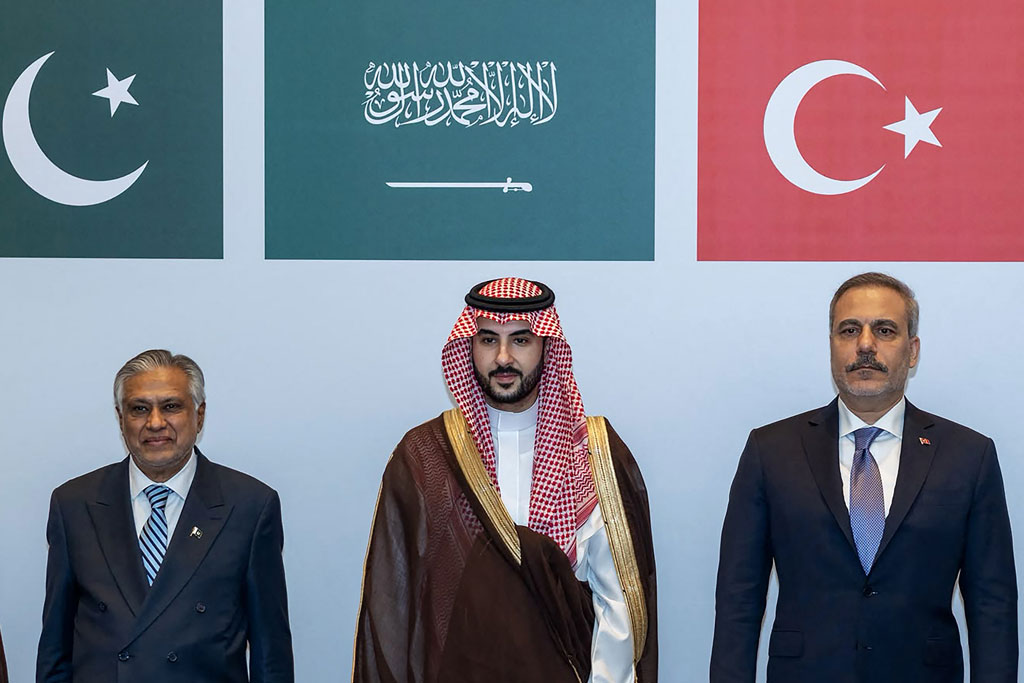
Turkey, Pakistan and Saudi Arabia have agreed to activate “deterrence measures” under their mutual defence pact and rapidly deploy troops to Saudi Arabia to counter Houthi attacks from Yemen.
The decision was announced after an emergency meeting in Riyadh on Monday involving the defence and foreign ministers of the three countries. The alliance, known as the Mecca Alliance for Defence, has been activated for the first time since the agreement was signed on August 7.
According to Qatar-based broadcaster Al Jazeera, the agreement states that an attack on any one of the three countries will be treated as an attack on all three, a provision similar to a key clause in NATO’s founding treaty.
Saudi Defence Minister Khalid bin Salman said in a social media post that the committee had agreed to activate collective deterrence measures “against the attack and all those responsible for it” within the alliance’s framework.
“The alliance once again affirmed the solidarity and unity of our countries in confronting the heinous attack against the Kingdom and the holy sites,” Khalid bin Salman said.
A separate joint statement released by Pakistan’s Foreign Ministry said the three countries would provide Saudi Arabia with the agreed military forces and capabilities and ensure their rapid deployment in the Kingdom.
The statement said the commitments would be implemented under “authorised measures” and in accordance with each country’s respective laws.
The announcement came hours after forces linked to Yemen’s internationally recognised government began a counteroffensive to retake areas seized by the Iran-backed Houthis last month.
Saudi-backed Yemeni forces said they had recaptured the Red Sea port city of Mokha and taken control of the strategically significant Bab al-Mandab Strait.
The Saudi-led coalition confirmed that it was participating in the Yemeni government’s operation. The coalition said 100 of its warplanes were providing air support to Yemeni forces.
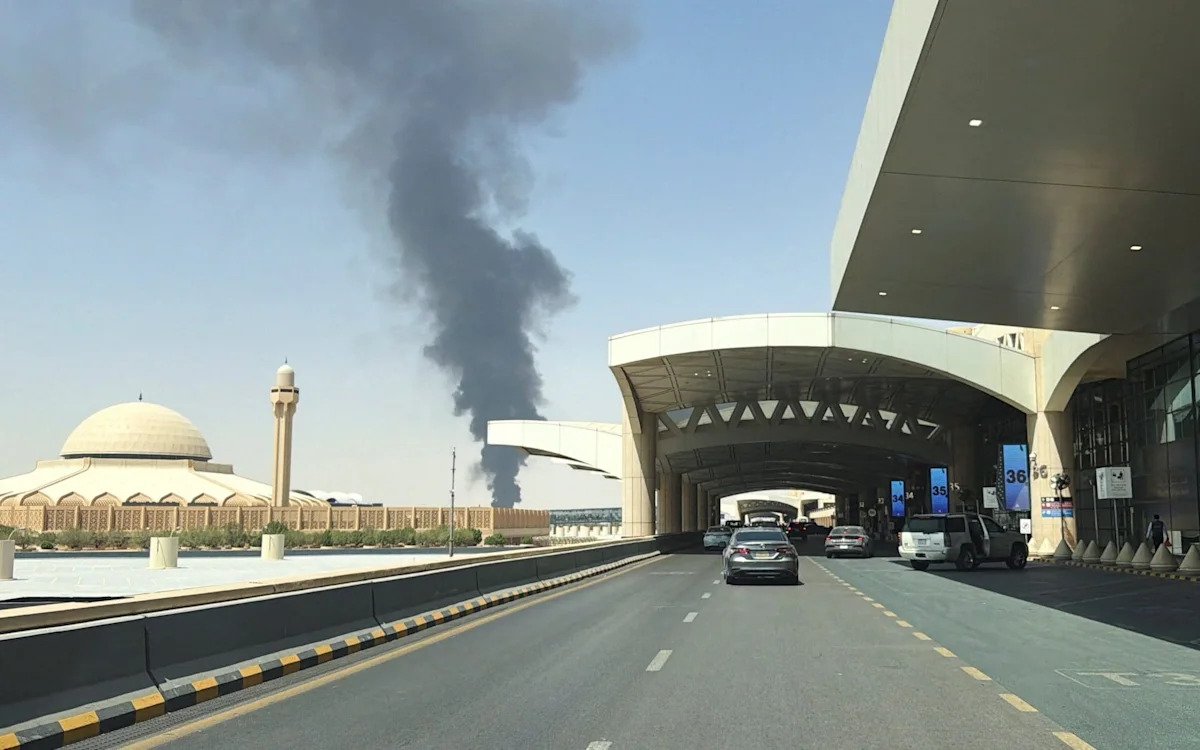
The Houthis, meanwhile, claimed they had attacked Riyadh’s King Khalid International Airport and an Aramco oil refinery in the coastal city of Rabigh.
The Houthis also said they had struck several locations, including an airport, an air base and other key facilities. Riyadh had not confirmed the Houthi claims.
The Mecca defence alliance was formed amid escalating conflict in the Middle East, which intensified following the United States and Israel’s war against Iran.
The three countries signed the defence agreement in August. The Houthis launched operations in Yemen shortly afterwards, including attacks on targets across Saudi Arabia.
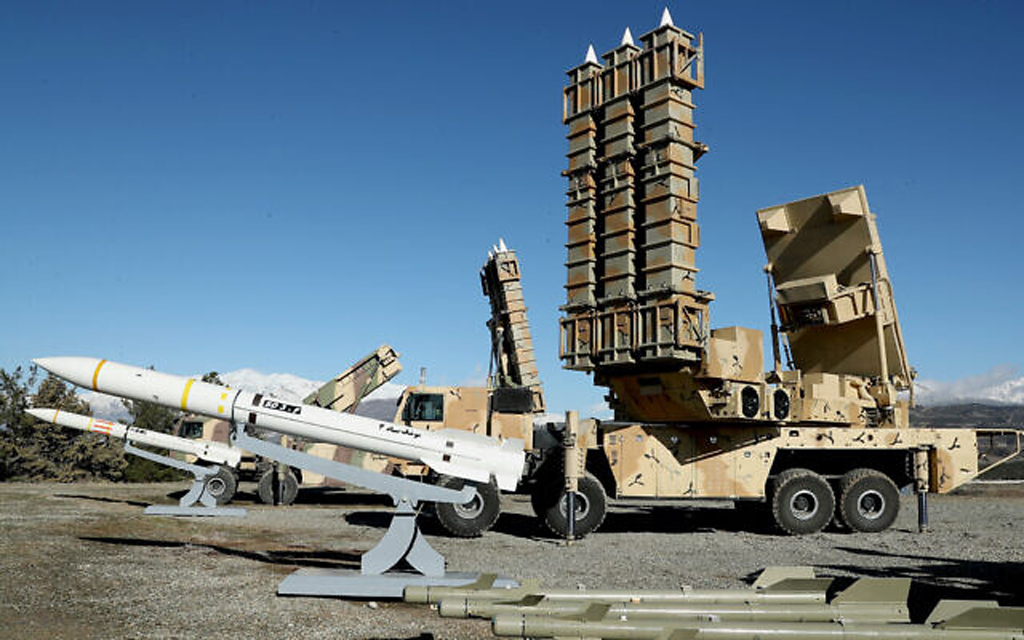
According to the 2026 Global Firepower Index, the alliance’s three member states collectively have about 1.4 million active personnel, nearly 3,400 military aircraft, 6,000 tanks and more than 340 naval combat vessels.
The agreement initially provided few details on the military responsibilities of each country. Several subsequent measures were taken to formalise the alliance.
Pakistan Defence Minister Khawaja Asif said in early September, after the Houthis fired multiple missiles towards Saudi Arabia simultaneously, that an attack on the Kingdom could trigger the agreement.
“If there is unprovoked aggression, or if there is any spillover into Saudi Arabia of what is happening in Yemen, then the Mecca agreement will definitely come into force,” Asif told Pakistani broadcaster Geo News.
The alliance had taken no action until Monday. Analysts had said Pakistan and Turkey were reluctant to move away from their mediating role in the United States-Israel war against Iran.
Abdulaziz Alghashian, a senior non-resident fellow at the Gulf International Forum, said activating the Mecca defence agreement would have major implications for regional security.
“The Houthi attacks and provocations in recent weeks and months have really accelerated the Mecca Alliance, and in a sense even provided the impetus for its creation,” Alghashian told Al Jazeera.
Alghashian said the developments had helped advance the alliance’s framework and indicated the emergence of a new regional security architecture.
“We often talk about a regional security architecture. It is a phrase that sounds very good, but often there is nothing concrete behind it and many people do not know what it means in detail,” Alghashian said.
“Now, however, I think we are beginning to see how it is taking shape in reality. This is an important turning point in the region’s history.”