
India Pushes for Tarique Rahman’s New Delhi Visit by Early September
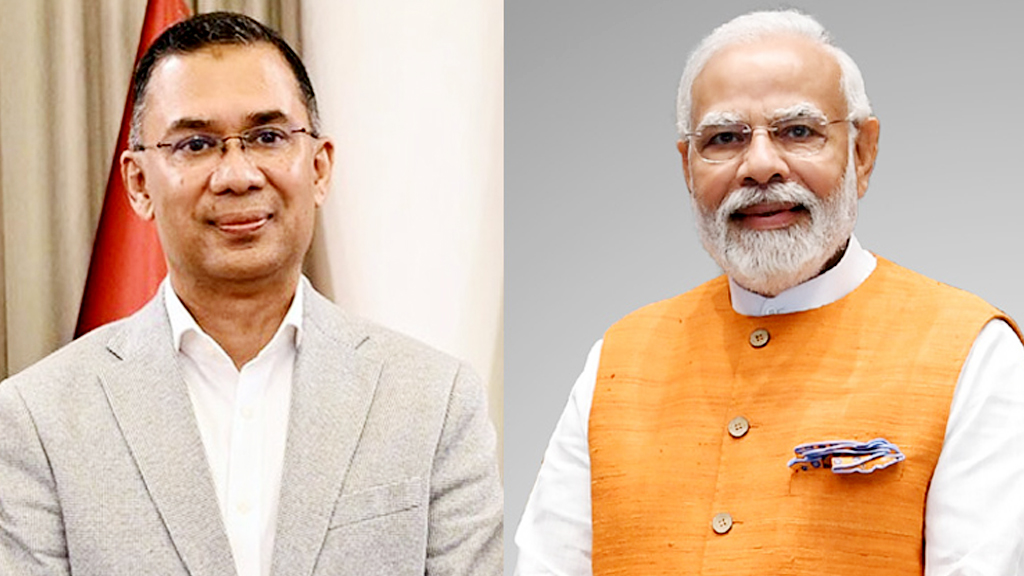
India is urgently seeking to arrange a visit to New Delhi by Bangladesh Prime Minister Tarique Rahman by the end of this month or within the first week of September, as both sides discuss steps toward fully normalising bilateral relations, according to a report by The Hindu.
Officials hope the visit will help create a pathway for renewing the Ganges water-sharing treaty, advancing energy-related agreements, expanding visa facilities, and withdrawing trade restrictions imposed in May 2025 on Bangladesh’s textile and food-processing sectors.
The Hindu reported that Indian diplomatic sources expressed cautious optimism and said “positive progress” could come within the next few days. Sources in Dhaka said they were satisfied with ongoing contacts between the two countries, but warned that continued activities in India by ousted Bangladesh Prime Minister Sheikh Hasina or her party, the Awami League, could cast a shadow over the new initiatives.
Unnamed Dhaka sources also said ties should be normalised as quickly as possible because the diplomatic window may soon narrow, with the Indian leadership’s remaining four months of the year increasingly committed to foreign visits and other engagements.
This new phase of communication between India and Bangladesh began on Monday, 10 August, when Indian High Commissioner Dinesh Trivedi met Prime Minister Tarique Rahman at the Secretariat in Dhaka. The meeting took place amid tensions triggered by a virtual press conference held on 5 August at the Foreign Correspondents’ Club in New Delhi by Sheikh Hasina and her son Sajeeb Wazed Joy.
Bangladesh’s Ministry of Foreign Affairs reacted angrily to that event and described it as an “insult” to Bangladesh’s “sovereignty”.
A day earlier, on 9 August, Bangladesh received an Indian delegation led by Parag Jain, chief of India’s external intelligence agency, the Research and Analysis Wing.
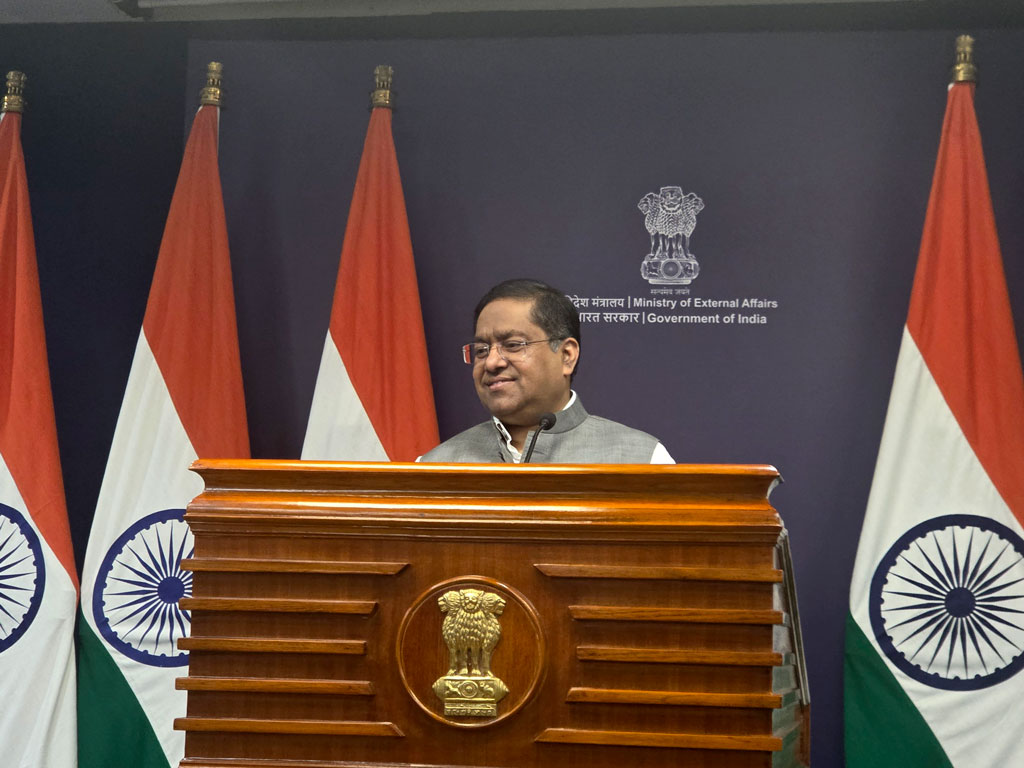
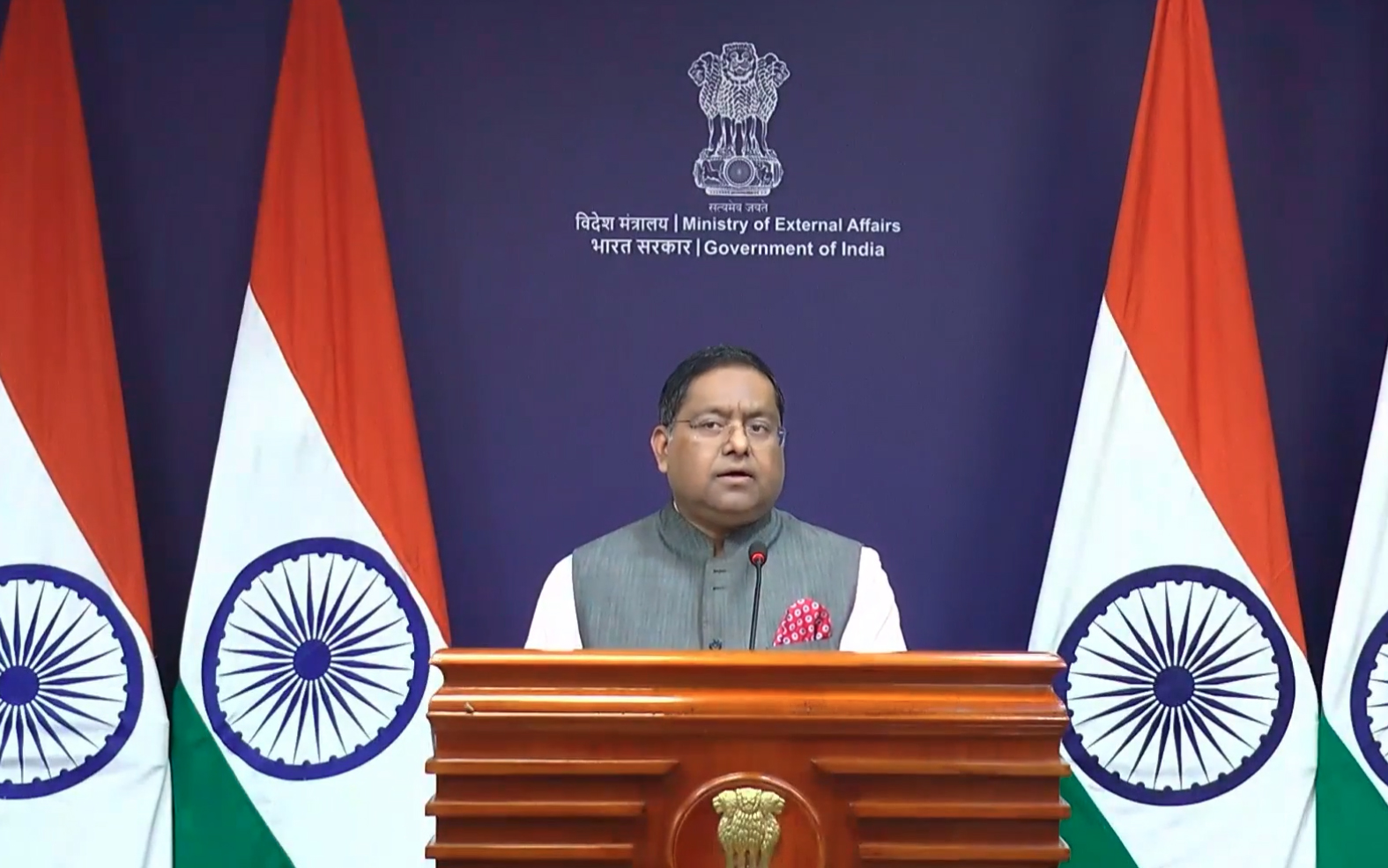
In response to Bangladesh’s objections, India’s Ministry of External Affairs publicly distanced itself from Sheikh Hasina’s event. The ministry said India did not “support” the remarks made there against Bangladesh’s “constitutionally formed government”.
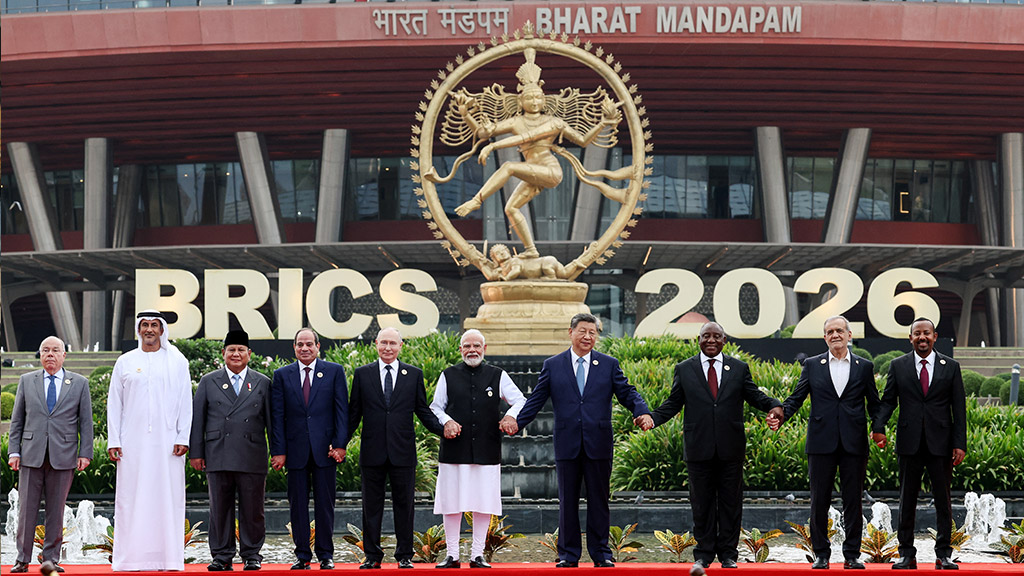
India’s Ministry of External Affairs spokesperson Randhir Jaiswal said more explicitly that, along with inviting Prime Minister Tarique Rahman to the BRICS summit, India had also invited him for a bilateral visit on 17 February 2026. After the 10 August meeting with Trivedi, Bangladesh Foreign Minister Khalilur Rahman also confirmed the bilateral invitation.
Trivedi then travelled to New Delhi and briefed Indian Prime Minister Narendra Modi on Tuesday evening, according to the report. The Hindu said the Indian side conveyed to the Tarique Rahman government that, if possible, an early bilateral visit “before the end of this month” would open the way to the full normalisation of India-Bangladesh relations.
The proposed framework would cover “water-related issues, energy agreements, visa facilities and the withdrawal of restrictions imposed in May 2025” on Bangladesh.
The Tarique Rahman government was also told: “If you remain stuck on the Hasina issue, you will miss the opportunity.” The message indicated that excessive complications over the Sheikh Hasina issue could derail the current opening for restoring normal ties between the two neighbours.
Sources believe Bangladesh is more interested in a bilateral visit by Tarique Rahman than in participation at the BRICS summit. Bangladesh is not a BRICS member, and for that reason Tarique Rahman is unlikely to take part in the main roundtable meeting of member-state leaders.
Diplomatic sources, however, warned that members of Sheikh Hasina’s Awami League are planning another event in Delhi by the end of this month. Sources said such an event could damage the positive momentum generated in the current discussions.
Relations between India and Bangladesh have remained strained since 5 August 2024, when Sheikh Hasina’s government fell in a mass uprising in Bangladesh, one of India’s largest trading partners in South Asia.
After that, the interim government led by Muhammad Yunus and its advisory council did not hold any significant official discussions with India on key issues, including water-sharing and strategic matters.