40 officers raise their hands in support of General Manzoor's words
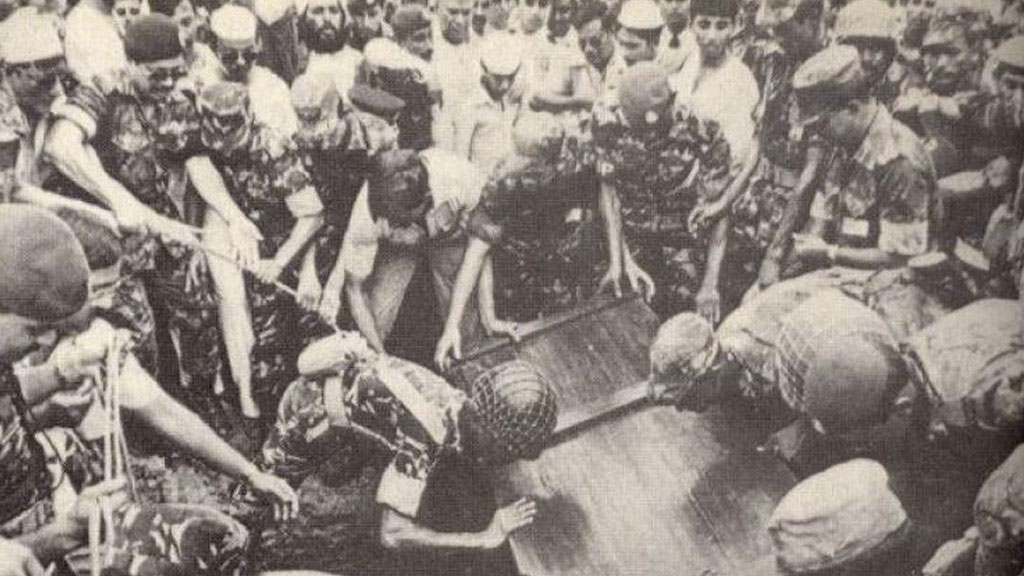
Major General Manzoor, then General Officer Commanding in Chittagong, summoned senior military officers to his office by 7am after being informed by Major Mozaffar that “The President has been killed.” In the meeting, Manzoor told 40 officers that some army officers had killed President Zia, after which all 40 present raised their hands in support of his remarks.
After hearing the news, Manzoor prepared himself, put on civilian clothes and left his residence in his staff car. He first stopped at the office of the 6th East Bengal Regiment, where Major Dost Mohammad Sikdar, the unit’s second-in-command, approached him. Manzoor ordered the immediate deployment of a platoon at the signal centre and directed that troops be sent to Shuvopur Bridge to defend against a possible attack from Comilla before heading to headquarters.
By the time he arrived, 40 military officers, including the then Bangladesh Military Academy commandant, a brigadier, and Brigadier Shahjahan, were already waiting. Addressing them, Manzoor said: “Some army officers have killed President Zia.”
Manzoor then added: “There must have been long-standing grievances among officers behind this killing. A conflict between freedom fighter and non-freedom fighter officers has long existed within the army. One of the main reasons for this killing is the long-suppressed anger among freedom fighter officers. Now that the incident has happened, we must move forward. You may express your views without hesitation.” All 40 officers present expressed support by raising their hands.
One non-freedom fighter officer then stood up and said support by a show of hands was not enough and that an oath should be taken. He brought a copy of the Quran kept in the office, and, one by one, those present took an oath before Major General Manzoor by touching the holy book.
By 8am, the Chittagong commissioner, police commissioner, the Rifles sector commander, and the commanding officers of the Air Force and Navy, along with other senior civilian officials, had reached the office. After hearing the briefing, each of them also took the oath. Manzoor asked the civilian officials to continue normal administrative work.
At 11am, Manzoor met brigade commanders and East Bengal Regiment officers to assign responsibilities. Those duties included sealing the Shuvopur-Sitakunda-Chittagong approach, preventing any landing along the Patenga-Faujdarhat-Comilla coast, protecting Chittagong airport and seaport, and above all defending Chittagong Cantonment.
Although many wanted to move toward Dhaka with military supplies, Manzoor disagreed. “We have to follow a defensive plan now,” he said. Assigned officers then moved to deploy troops at different points in Chittagong accordingly.
Brigade Major Khaled of the 69 Infantry Brigade was tasked with contacting political leaders. Major Mozaffar was assigned to maintain communications with various units and regularly update Manzoor on their positions.
Manzoor also told a brigadier to establish contact with Dhaka. Smiling, he said: “You have prior experience in negotiation, as you did during Faruk-Rashid’s coup. So I think you will be best suited to handle negotiation with Dhaka.” He then left the room.
The brigadier contacted Dhaka from the control room. Then army chief General Ershad proposed that the rebel group surrender. He promised that after surrender, those involved in the incident, along with their families, would be sent abroad by special aircraft and brought back to the country within six months.
As soon as the surrender proposal was made, Colonel Matiur, who was seated nearby, became agitated and snatched the receiver. He shouted: “There is no question of our surrendering. If anyone has to surrender, it will be you, not us.” Colonel Mati then put down the receiver after making his position clear to General Ershad.
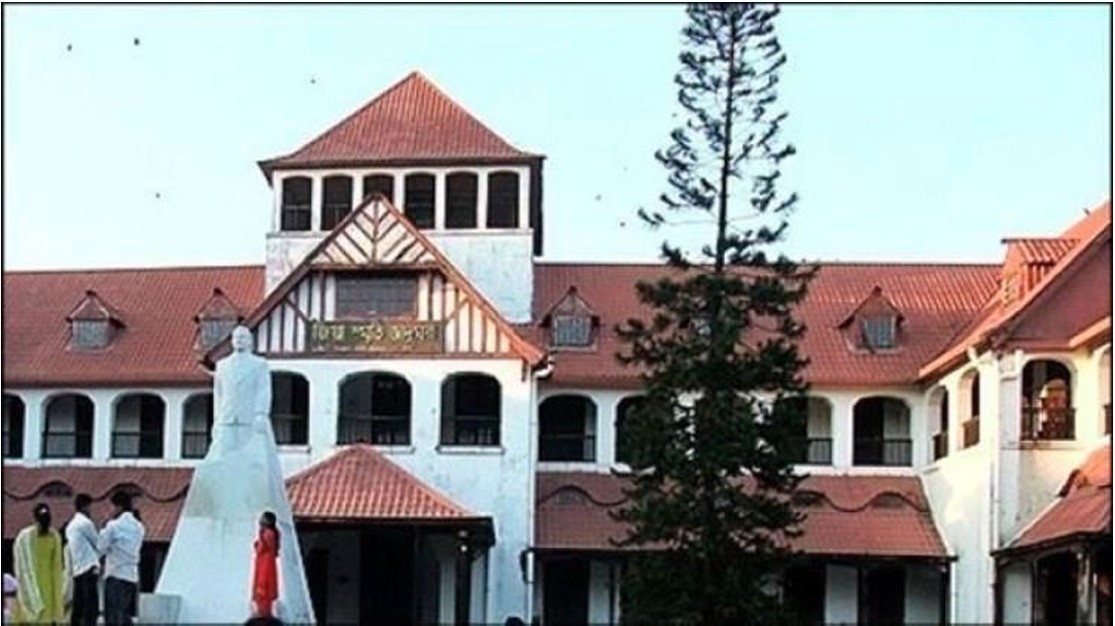
At the time, Dhaka Radio had begun broadcasting instructions ordering the rebel troops in Chittagong to surrender. Manzoor was informed of Ershad’s proposal. On learning that Ershad also wanted to speak to him, Manzoor refused. The report says he recalled an incident from May 28 that year.
According to the account, all preparations had been completed for President Zia’s visit to Chittagong when Lieutenant General Ershad flew in from Dhaka by helicopter 24 hours earlier. Ershad told Manzoor that the President wanted him to join the Staff College in Dhaka immediately and handed him a transfer order that had been signed 15 days earlier. Manzoor was angered on receiving the order and had already learned, according to the account, that Ershad and his associates were conspiring against him. For that reason, he did not go to the helipad to receive Ershad.
The account says Ershad returned to Dhaka after behaving badly toward Manzoor and informed President Zia of Manzoor’s anger. It adds that a senior staff officer to the President later telephoned Manzoor to say the President did not want him to come to receive him the next day. Surprised, Manzoor called Ershad to verify the matter, and Ershad told him it was true. The next day, Manzoor did not go to the airport to receive the President. Brigadier Mohsin went instead. On not seeing Manzoor at the airport, President Zia angrily asked Brigadier Mohsin, “Where is Manjur?” and, without waiting for an answer, said, “What does he think he is!”
That evening, Major General Manzoor and his wife went to meet the President at Circuit House. A heated exchange followed. At one stage, President Zia spoke of dismissing him. That, the account says, was Manzoor’s last meeting with Zia.
Next episode: He refused to throw Zia's body off the mountain
Note: On May 30, 1981, Bangladesh President General Ziaur Rahman was assassinated by some members of the army. The story behind this much-discussed assassination was shrouded in secrecy until then. This investigative report was compiled by Irtiza Nasim Ali, editor of South Asian Monitor and editor-in-chief of the now-defunct Prob News, based on a wealth of information gathered from various sources. The report was serialized in eight parts in the then daily Bhorer Kagoj, edited by Matiur Rahman, from May 30, 1994. The report is republished for Ajker Patrika's readers with the permission of the author.