
Bangladesh Study: 66% of Young People With Diabetes Unaware of Their Condition
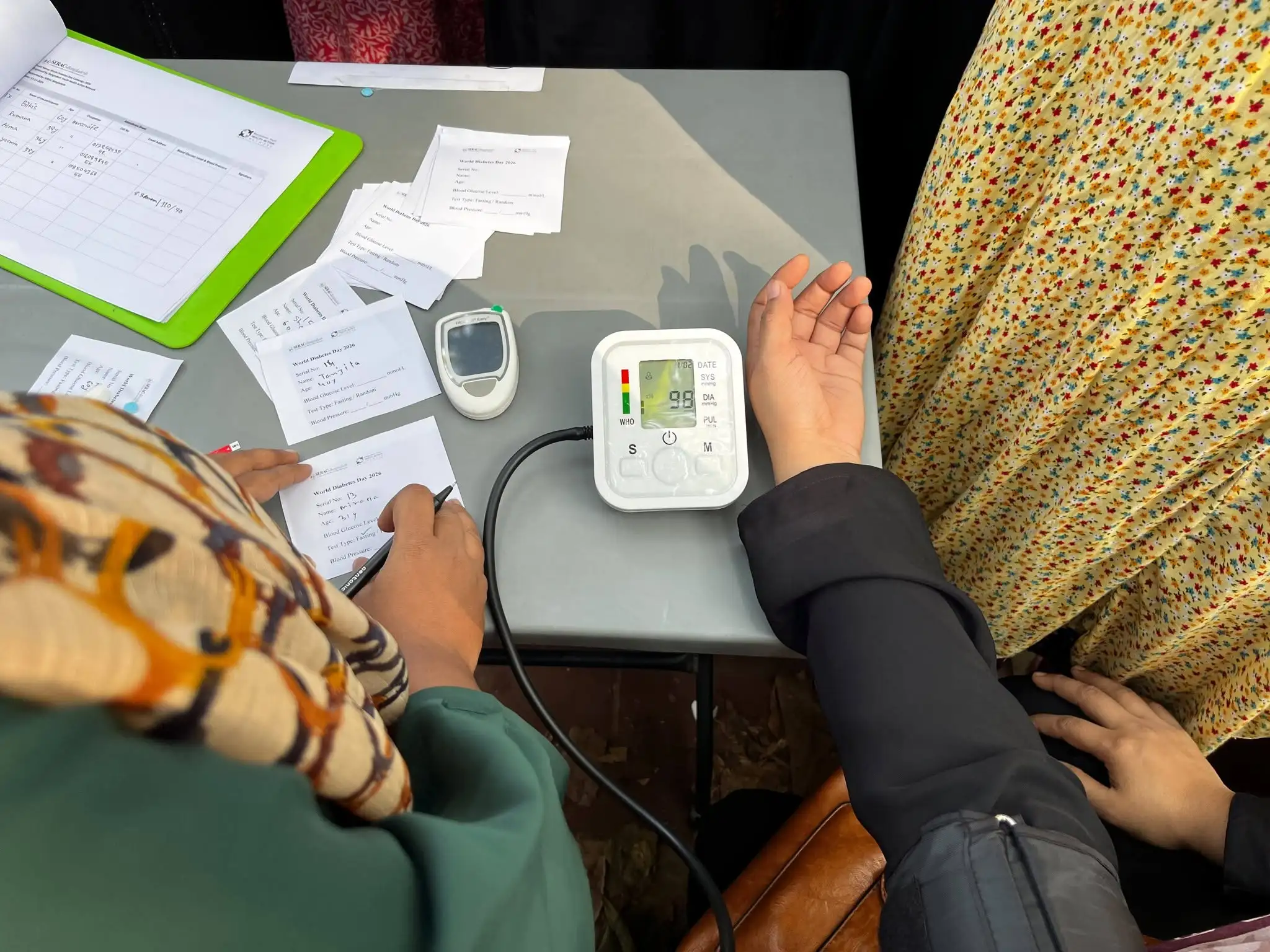
Nearly two-thirds of Bangladeshis aged 10 to 34 diagnosed with diabetes did not know they had the disease, according to one of two recently published national studies that also identified obesity, family history and unhealthy lifestyles as major risk factors among children and young people.
Type 2 diabetes, once largely associated with middle-aged and older people, is increasingly being found among young people and children in Bangladesh. The studies found that nearly one in five people in the same age group had prediabetes, meaning their blood glucose level was above normal but had not yet reached the diabetes threshold.
According to the World Health Organization, diabetes has three main forms: type 1, type 2 and gestational diabetes. In type 1 diabetes, the immune system destroys insulin-producing cells in the pancreas. In type 2 diabetes, the body cannot use insulin effectively. Excess weight, physical inactivity and genetic factors are linked to type 2 diabetes.
Gestational diabetes occurs when blood glucose levels rise during pregnancy. Prediabetes increases the future risk of developing type 2 diabetes.
One study was published in the March-April issue of *AACE Endocrinology and Diabetes*, the scientific journal of the United States-based American Association of Clinical Endocrinology. The other appeared in *SAGE Open Pediatrics*, published by the United States-based SAGE Publications.
The first study, titled “Early-Onset Type-2 Diabetes in Bangladesh: National Estimates and Risk Correlates”, collected data from urban and rural areas across Bangladesh’s eight divisions between March and September 2024.
The study involved 2,300 participants aged 10 to 34. Diabetes was detected in 104 participants, or 4.5% of the sample. Prediabetes was found in 423 participants, representing 18.4% of those surveyed.
Among the 104 participants diagnosed with diabetes, 69, or 66%, had not previously known they had the disease.
Diabetes prevalence was 7.5% among people aged 19 to 34, compared with 1.3% among those aged 10 to 18. The prevalence was 6% in urban areas and 3.2% in rural areas.
The analysis found that people with hypertension were 3.3 times more likely to be diagnosed with diabetes than those without hypertension. High blood triglyceride levels were associated with a 2.9-fold higher risk, smokeless tobacco use with a 2.6-fold higher risk, and low or moderate physical activity with a twofold higher risk compared with high physical activity.
Dr Mashfiqul Hasan, the study’s principal investigator, an associate professor of endocrinology, a special-duty officer at the Directorate General of Health Services and a PhD researcher at Bangladesh Medical University, said many people with type 2 diabetes have no symptoms in its early stages.
“Many people do not know they have the disease because type 2 diabetes often has no symptoms in its initial stage,” Dr Hasan told Ajker Patrika. “The risk is particularly high among people who are overweight, physically inactive and have unhealthy dietary habits. People with these risks need testing. However, risk-based testing among adolescents and young people is not common in the country, which means many cases remain undiagnosed.”
Dr Hasan said the analysis found stronger associations between diabetes and lifestyle and environmental factors. Smokeless tobacco products such as jarda, in addition to smoking, were associated with diabetes among young people, he said.
Research into genetic factors is continuing, Dr Hasan said. Diabetes developing at an early age may remain in the body for a longer period and lead to complications later in life. Reliable previous data are unavailable, however, making it difficult to determine how much diabetes has increased among adolescents and young people in Bangladesh.
The second national study focused on schoolchildren and was titled “Prevalence and Factors Associated With Diabetes and Prediabetes in School Going Children: A Nationwide Study from Bangladesh”. It was published in *SAGE Open Pediatrics* in January this year.
Researchers analysed data from 3,342 schoolchildren aged five to 17 across Bangladesh’s eight divisions. Diabetes was detected in three children, and all three had type 2 diabetes.
Prediabetes was found in 19 children, accounting for 0.569% of all children surveyed.
The study found associations between diabetes and prediabetes and obesity, diabetes among close family members, and sex. Obese children and children with a close family history of diabetes faced higher risks of diabetes and prediabetes than children of normal weight.
Girls faced a higher risk than boys, according to the analysis.
Among the children surveyed, 11.8% were obese and 6.74% were overweight. A total of 73.58% reported eating outside fast-food-type meals every day, while 80.88% had more than two hours of daily screen time, including mobile phone and television use.
Dr Fawzia Mohsin, principal investigator of the children’s study and professor in the Department of Neonatology and Paediatrics at BIRDEM General Hospital (Women and Children), said both family history and lifestyle factors were significant in childhood type 2 diabetes.
“Family history, lifestyle and dietary habits play important roles in type 2 diabetes among children,” Dr Mohsin told Ajker Patrika. “A child’s risk increases if a family member has diabetes. Family history cannot be changed, but the risk of type 2 diabetes can be reduced by controlling modifiable factors such as physical inactivity, unhealthy diets and obesity.”
“Healthy eating habits, regular physical activity and weight control are important in this regard,” she added.
According to the International Diabetes Federation’s 2025 Diabetes Atlas, 13.877 million people aged 20 to 79 in Bangladesh had diabetes in 2024. About 39%, or 5.4 million people, were unaware that they had the disease.
Diabetes prevalence among Bangladeshis aged 20 to 79 stood at 12.3% in 2024, when the disease was linked to approximately 31,620 deaths in the country. The federation projects that the number of people with diabetes in Bangladesh will exceed 23 million by 2050.
Uncontrolled diabetes over a long period increases the risk of cardiovascular disease, heart attacks and strokes. It can also damage the kidneys, retinal cells in the eyes and nerves. Severe cases can lead to kidney failure, loss of vision and amputation resulting from foot infections.
The Centre for Global Health Research of the Bangladesh Diabetic Samity, or BADAS, has been assessing diabetes risks through its Diabetes Risk Calculator app since November 2024.
An analysis of data from about 25,000 people aged 20 to 79 found that 50% were at high risk, 42% at moderate risk and 6% at low risk.
Professor Dr Biswajit Bhowmik, director of the Centre for Global Health Research, said many people feel healthy despite being at risk of type 2 diabetes.
“It is important to reach people before symptoms emerge,” Dr Bhowmik said. “Risk assessments allow preventive advice to be given and help identify people who need further evaluation.”
The Centre for Global Health Research said app-based risk assessments have been incorporated into the national protocol for diabetes and hypertension management. The assessments will be conducted through the app at community clinics, union sub-health centres and non-communicable disease corners.
Experts said a large proportion of people with diabetes in Bangladesh remain unaware of their condition, while access to quality treatment and regular monitoring remains limited in remote areas. Strengthening primary healthcare capacity is necessary to prevent complications, they said.
Dr M Saifuddin, general secretary of the Bangladesh Endocrine Society and professor of endocrinology at Dhaka Medical College, said healthcare workers needed further training to ensure quality diabetes care in remote areas.
“Doctors, nurses and dietitians must be trained to ensure quality diabetes treatment in remote areas,” Dr Saifuddin said. “Certified training for health workers at upazila and district levels, online mentoring and national treatment guidelines are required.”
“Community-level risk identification, screening, regular follow-up and patient databases must also be developed,” he added.