
EC plans first-phase polls in 1,050 Union Parishads, rules out EVM use
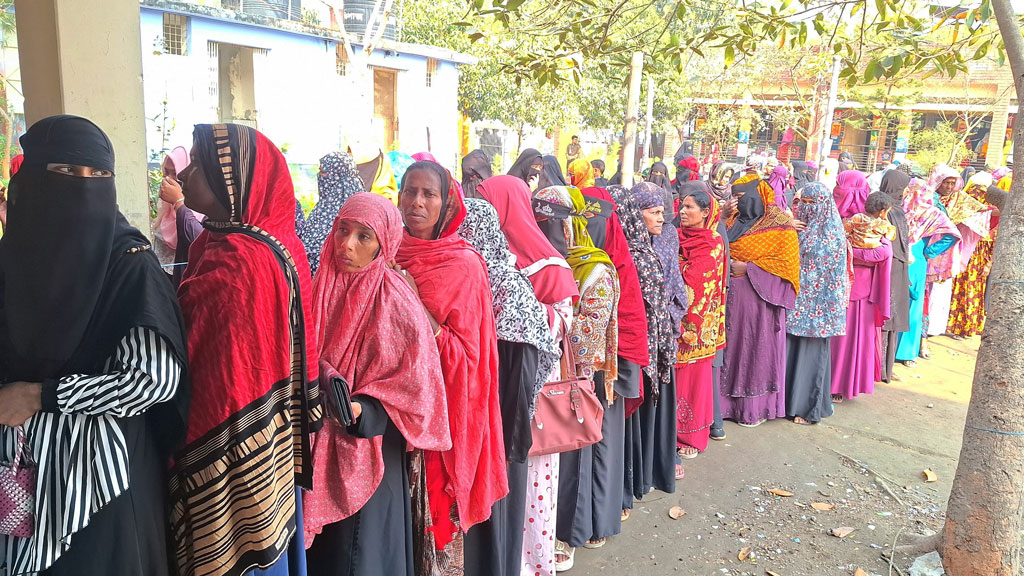
Election Commission (EC) is preparing to hold elections in 1,050 Union Parishads in the first phase, with plans to complete polls in most of the country’s approximately 4,500 UPs during the first two phases. The commission has also decided not to use electronic voting machines and has begun a final stock-taking process for their disposal.
EC Secretary Akhtar Ahmed disclosed the plans at a press conference at the Election Building on Sunday, 8 November.
Union Parishads whose terms have expired and are ready for elections are being given priority in the first-phase list, Ahmed said. The EC intends to complete elections in most UPs in the first and second phases, while the number of UPs in the third and fourth phases will be comparatively lower.
All Union Parishads under a single upazila will vote on the same day for administrative convenience. The EC has sent a preliminary list to field-level officials to verify whether there are pending legal cases or boundary-related complications.
The final list may be completed by next Thursday, Ahmed said.
Electronic voting machines will not be used in the upcoming elections, according to the EC secretary. The commission has started final stock-taking of the machines for disposal and will announce the method after receiving recommendations.
Preparations are under way to print three types of paper ballot papers and arrange all other election materials, Ahmed said.
The Election Commission is currently focused only on Union Parishad elections and has not reviewed any City Corporation elections, he added. The commission will provide information on other elections when relevant.
Ahmed also outlined several initiatives to make National Identity Card registration and voter lists more accurate. Discussions are under way on building an EC database using information provided when children enrol in primary school at the age of six.
Software is also being developed to add a “family tree” feature to the NID database and registration forms. The system would record details including a citizen’s birth order among siblings and the identification numbers of elder brothers and sisters, which could help verify information in the future.
The EC plans to add such information for existing voters when they renew their registrations, in addition to registering new voters.
Acknowledging complications in the distribution of smart cards, Ahmed said no NID card has expired. Previously issued laminated cards remain fully valid and functional, he said.
The 10-digit card number is the main reference through which any information can be verified from the database, Ahmed added, saying users of old cards have no reason to be concerned.