
Iran in ‘Final Stages’ of Plot to Assassinate US Officials, Washington Warns
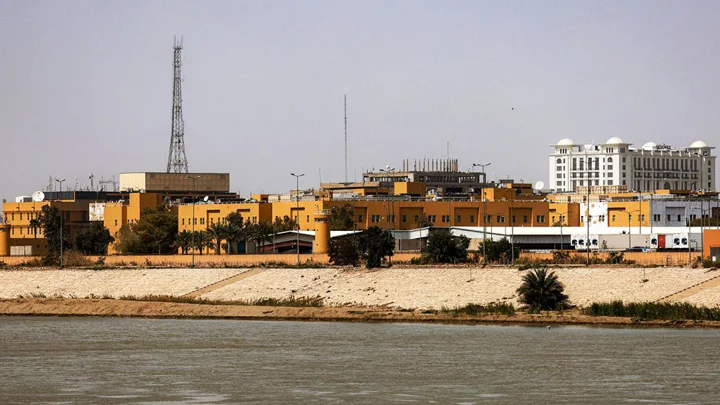
Iran has moved into the final stages of planning lethal attacks targeting US officials, prompting Washington to place government personnel on maximum alert in the Middle East and several other regions and review staffing levels at embassies and consulates, US officials told The New York Times on Friday.
Director of National Intelligence Jay Clayton warned Secretary of State Marco Rubio about the threat in a memorandum sent on Friday. The memo said Iran had significantly intensified efforts to target US personnel and that plans to kill Americans in the Middle East and other countries had reached an advanced stage.
The Trump administration confirmed the contents of the memorandum through a US official on Friday night. Axios had previously reported on the issue.
US officials said threats of attacks against Americans in the Middle East and other countries have reached their highest level since the war began in February.
An unnamed US official said President Donald Trump and his senior aides were being regularly briefed on the growing threat. Intelligence analysts have spent the past three weeks examining information about possible attacks on US officials, particularly ambassadors posted in different countries.
Some intelligence reports suggest Iranian agents could also be present inside the United States, according to the official. US officials said several locations in Europe were also on Iran’s list of potential targets.
Another US official said Iran’s ability to carry out attacks inside the United States and abroad remained limited, despite its ambitions. The White House did not comment, while Clayton’s office and the Central Intelligence Agency declined to comment.
A State Department official said new security information is regularly assessed when determining embassy staffing. The possibility of attacks by Yemen’s Houthi forces and intelligence concerning Iranian plans for terrorist attacks targeting US officials are influencing decisions to adjust staff numbers at diplomatic missions.
US diplomatic missions in the Middle East are already operating under “restricted operating status”, the official said. The measure is generally used in conflict zones and allows embassies to adjust staffing levels more easily according to circumstances.
Fear of New Attacks After Eight Months of War
Eight months have passed since the war against Iran was launched by Trump and Israel. The war has sharply increased fuel prices, destabilised economies in countries around the world and reduced Trump’s public support inside the United States.
The New York Times reported on Wednesday that the United States and Israel had drawn up plans to launch new attacks on Iran after the US midterm elections. Trump has not yet made a final decision on whether to carry out such strikes.
Trump has refrained from ordering large-scale attacks on Iran in recent months. The US military has, however, imposed a blockade on Iranian ports to prevent the country from selling oil and other energy products on global markets.
US officials said Iran was seeking various ways to retaliate against the United States and its allies. Twelve US Air Force B-1 bombers were removed from RAF Fairford in southern England in October after intelligence emerged about a possible Iranian attack.
Military commanders had received information about threats targeting the base. US officials said the simultaneous removal of all 12 bombers was unprecedented.
Intelligence Declassification and Embassy Security Measures
Clayton told Rubio in Friday’s memorandum that he was taking steps to reduce the classification level of some intelligence, allowing more US government employees to be informed about possible threats.
The memo’s subject referred to plans for lethal attacks against Americans in the Middle East and several other countries. Clayton’s initiative is intended to ensure that more government personnel are informed about the alleged attack plans.
Iran’s military responded after the United States and Israel attacked Iran on February 28, launching drones and missiles at several Arab countries in the Middle East and at Israel.
The State Department ordered non-essential personnel at US diplomatic missions in Iraq, Jordan and Bahrain to leave on March 2. Around the same time, non-essential personnel and their family members were also told to leave US diplomatic missions in Saudi Arabia.
The departure order for Saudi Arabia followed an Iranian attack on the US Embassy in Riyadh and its surrounding area.
Before the war, staff at only two US embassies had been permitted to leave voluntarily under an “authorised departure” arrangement. The measure allows non-essential personnel and their family members to leave an area if they choose.
The two embassies were in Beirut and Jerusalem. The US Embassy in Beirut issued the authorisation four days before the war began, while the embassy in Jerusalem issued a similar authorisation one day before the war.
The State Department allowed some diplomats to return to their posts after the intensity of the conflict eased temporarily this summer.