
Hormuz traffic sees sharp uptick but not back to normal
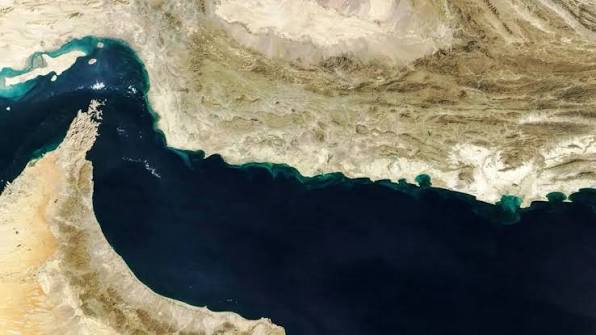
Strait of Hormuz traffic has increased sharply, but remains at roughly half its peacetime level, officials said on Thursday as stranded sailors made their way out of the waterway.
AFP reported, Seventy confirmed crossings were recorded on Wednesday, according to an X post by analytics firm Kpler.
This marked the highest number of vessels in a day since Iran shut the Strait of Hormuz on March 1 in retaliation for US-Israeli strikes.
At least 56 commodity vessels -- including tankers carrying oil, gas, and dry bulk such as fertilisers -- crossed on Wednesday, Kpler's tracking platform showed.
On Thursday, 15 commodity vessels crossed by midday, according to Kpler -- more than the average of 10 daily crossings between March 1 and June 14, when Iran and the US agreed to a memorandum of understanding to start discussing an end to the war.
For the first time since March 1, dry bulk tanker traffic through the waterway on Wednesday reached its 2025 level, with 22 crossings according to maritime tracker AXSMarine.
The traffic increase comes as some of the 11,000 seafarers who had been stuck in the Gulf because of the war continued to sail out of the key passageway.
A UN-led plan to evacuate the mariners got under way on Tuesday evening.
Two Maersk vessels exited the Gulf on Wednesday evening and Thursday morning, the shipping company told AFP, adding that three of its vessels remained stuck.
Since June 15, traffic has been steadily increasing through the strait, which normally sees around a fifth of the world's oil and gas exports.
Ships exiting the Gulf are using many different routes, creating confusion and signalling that traffic has not returned to its pre-war state, when ships passed through a toll-free corridor at the centre of the waterway, experts say.
"Iran continues to tightly manage the northern routes, issuing what we've heard are selective permits and phasing of agreements," shipping journal Lloyd's List editor-in-chief Richard Meade said in a briefing on Thursday.
Tehran warned on Thursday against any crossings of the Strait of Hormuz without its authorisation, saying vessels not complying "will be dealt with".
"Non-Iranian vessels relying on the southern Omani corridor under US Navy monitoring should not mistake this for any kind of normalcy," Meade said.
European minesweeping vessels headed to the region to remove the mines blocking safe navigation in the strait's main corridor have passed through the Red Sea, Britain's navy said in a statement on Tuesday.
A cargo ship in the Strait of Hormuz was damaged by an "unknown projectile" on Thursday, said the UK Maritime Trade Operations (UKMTO) agency, reporting no casualties.
Topics:
Bangladesh