Bangladesh Parliament Questions Finance Minister on Five Islamic Banks
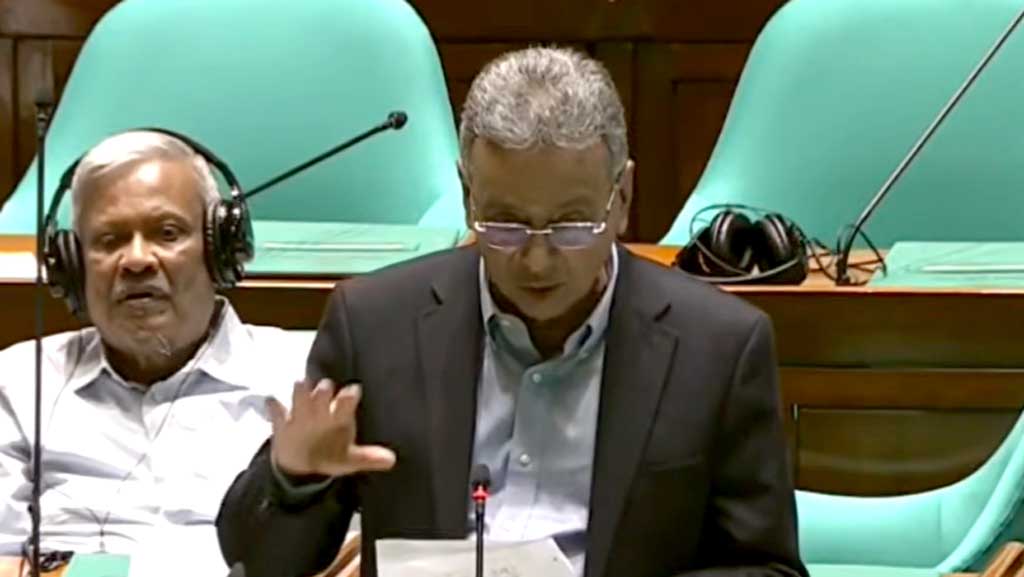
Concerns over when, how much and under what conditions depositors of five Shariah-based banks brought under a resolution scheme will recover their funds dominated question hour in parliament on Wednesday, as at least six lawmakers sought answers from Finance Minister Amir Khasru Mahmud Chowdhury on liquidity shortages, depositor repayments, the alleged “haircut” policy, the launch of Combined Islami Bank and efforts to recover money siphoned abroad.
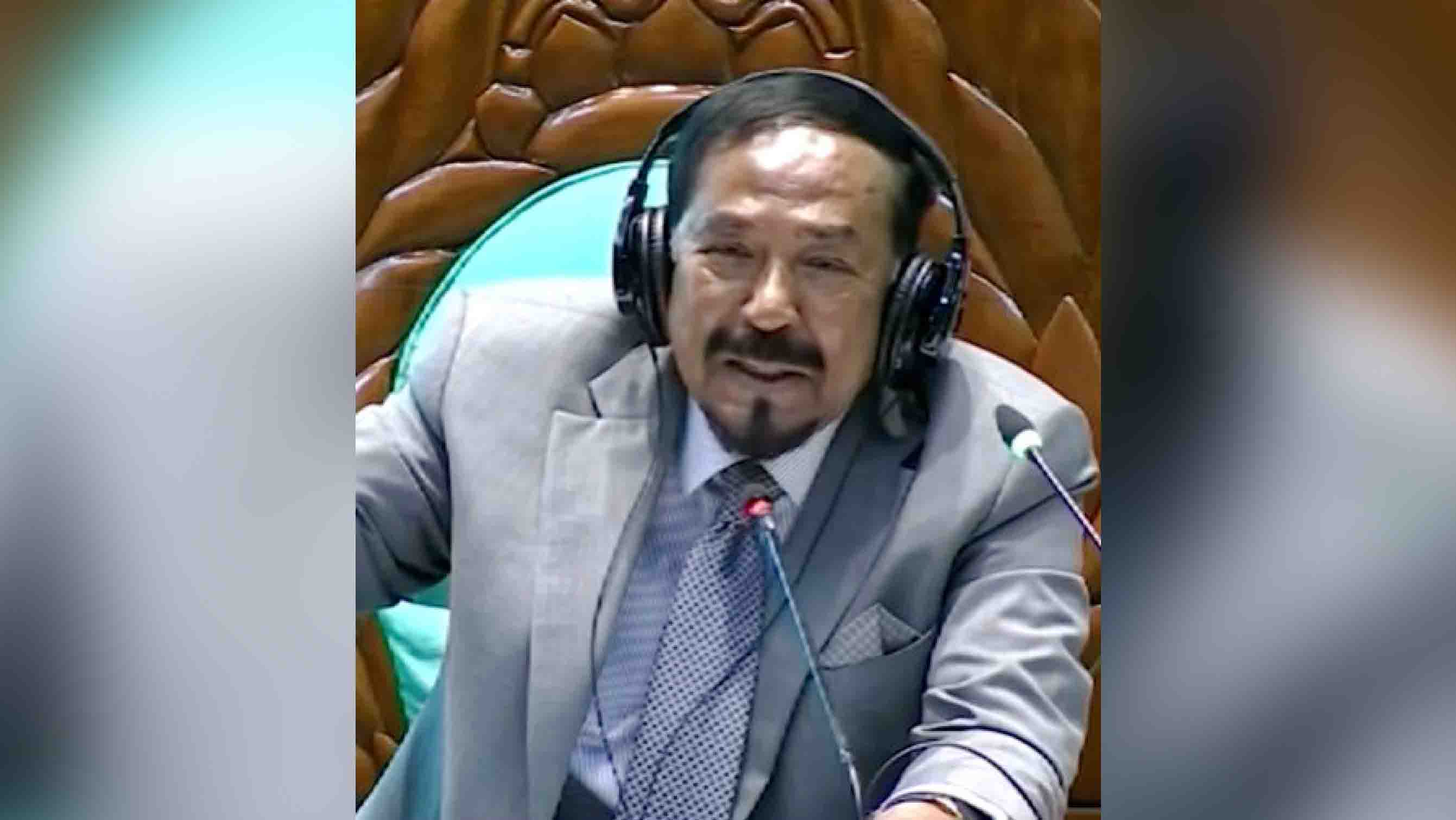
The questions were tabled under the chairmanship of Speaker Hafiz Uddin Ahmed.
Replying to lawmakers, the finance minister said Export Import Bank of Bangladesh PLC, or EXIM Bank, First Security Islami Bank PLC, Global Islami Bank PLC, Social Islami Bank PLC and Union Bank PLC had been brought under the Bank Resolution Scheme-2025. The liabilities and assets of the banks had been transferred to Combined Islami Bank, and depositors were being repaid in line with the scheme, he said.
Jamaat-e-Islami lawmaker Md Nurul Islam from Chapainawabganj-3 asked whether Bangladesh Bank’s alleged “haircut” policy for ordinary depositors of Combined Islami Bank, described as a deduction of two years’ profit, would be withdrawn and whether deposits would be returned with full profit.
The minister said that under Shariah law, depositors in Islamic banking are entitled to profit when a bank makes a profit. Although the banks made no profit in 2024 and 2025, depositors had been given 4 percent as “ehsan”, he said. No specific decision or timeline was given on whether the “haircut” would be withdrawn or whether customers would receive full profit.
BNP reserved-seat lawmaker Rehana Akter Ranu asked what steps the government would take if it was true that customers were still not getting their money even after the five banks were merged due to insolvency caused by the alleged looting of thousands of crores of taka.
The finance minister said the five banks had been declared non-viable and brought under resolution to protect customers’ interests. Depositors of Combined Islami Bank were being paid in phases under the terms of the Bank Resolution Scheme, 2025, he said.
The minister added that under the Deposit Protection Act, 2026, the protected deposit limit had been raised from Tk100,000 to Tk200,000. He said Tk12,000 crore had already been provided from the deposit protection fund to Combined Islami Bank’s current account, allowing depositors to withdraw their protected deposits.
BNP reserved-seat lawmaker Mosammat Shammi Akter asked what measures the government had taken to ensure the return of customers’ savings from banks and financial institutions unable to repay due to liquidity shortages.
In reply, the finance minister said Bangladesh Bank had provided emergency liquidity support to banks at different times to enable them to pay customers. As of June 15, 2026, banks had received Tk75,903.11 crore in emergency liquidity support, he said. No liquidity support had been given to financially distressed financial institutions, he added.
Jamaat-e-Islami lawmaker Md Anwarul Islam from Kurigram-1 asked whether there was any concrete plan to recover looted funds in order to revive banks pushed towards bankruptcy by irregularities and corruption in the banking sector.
The finance minister said around 30 affected banks had taken initiatives to recover loan money after funds linked to defaulted loans, created by irregularities and corruption in the banking sector, were illegally siphoned abroad. Banks had signed non-disclosure agreements with nine international legal firms and begun the process of appointment on a “no win, no fee” basis to recover the siphoned money, he said.
The minister said the first phase covered six cases involving Saifuzzaman Chowdhury, S Alam, Beximco, Sikder, Nasa and Orion Group. The work would later be expanded further, he added.
BNP lawmaker Md Mostafizur Rahman Babul from Jamalpur-3 asked about the ministry’s plan to make Combined Islami Bank fully functional and operational.
The finance minister said a chairman of the board of directors had been nominated and had assumed office, while directors had also been appointed to the board. The nomination for a managing director had been finalised and the appointment process was under way, he said.
The minister said work was also under way on the bank’s organisational structure, service rules, IT, core banking system, manpower and branch integration, as well as the recruitment of a company secretary, chief finance officer and chief technology officer, to fully launch the bank.
Combined Islami Bank PLC was formed by merging five Shariah-based banks devastated by defaulted loans, liquidity shortages and irregularities under the Bank Resolution Ordinance. In April, parliament passed the Bank Resolution Bill to turn the ordinance into law.
The passage of the bill triggered debate over the new Section 18C, which allows, subject to conditions, pre-resolution shareholders or other parties deemed suitable by Bangladesh Bank to reassume or hold the bank’s shares, assets and liabilities.
BNP lawmaker Md Selimuzzaman Mollah from Gopalganj-1 asked whether Bangladesh Bank would take steps to resolve the crisis facing banks struggling with liquidity shortages and difficulty in returning depositors’ money.
The finance minister said depositors of the five banks under resolution were being repaid, and under the Deposit Protection Act, 2026, customers of those banks were being paid up to Tk200,000 each. On other banks currently facing liquidity shortages, he said different departments of Bangladesh Bank were working on the matter and action would be taken under the Bank Resolution Act, 2026, if necessary.
Topics:
Bangladesh